
Museum Curation Know-How - Debunking the lingo
One of the core pieces of practical knowledge that you will be expected to know is about the materials used in museums, including for exhibitions, transport or long-term storage.
This document has been created for early career curators, or those going into further studies which include Museum Studies, to be your bread and butter of all the lingo which you might have heard people use but in your brain you are thinking “what is that!?”.
Conservation
Silica gel - you may have heard silica gel many times without realising what it is. When you buy certain products, such as a new bag or backpack, a small white sachet that says ‘DO NOT EAT’ is often included. This is silica gel, and is also used in museums, as it is a special desiccant compound which controls moisture and humidity.
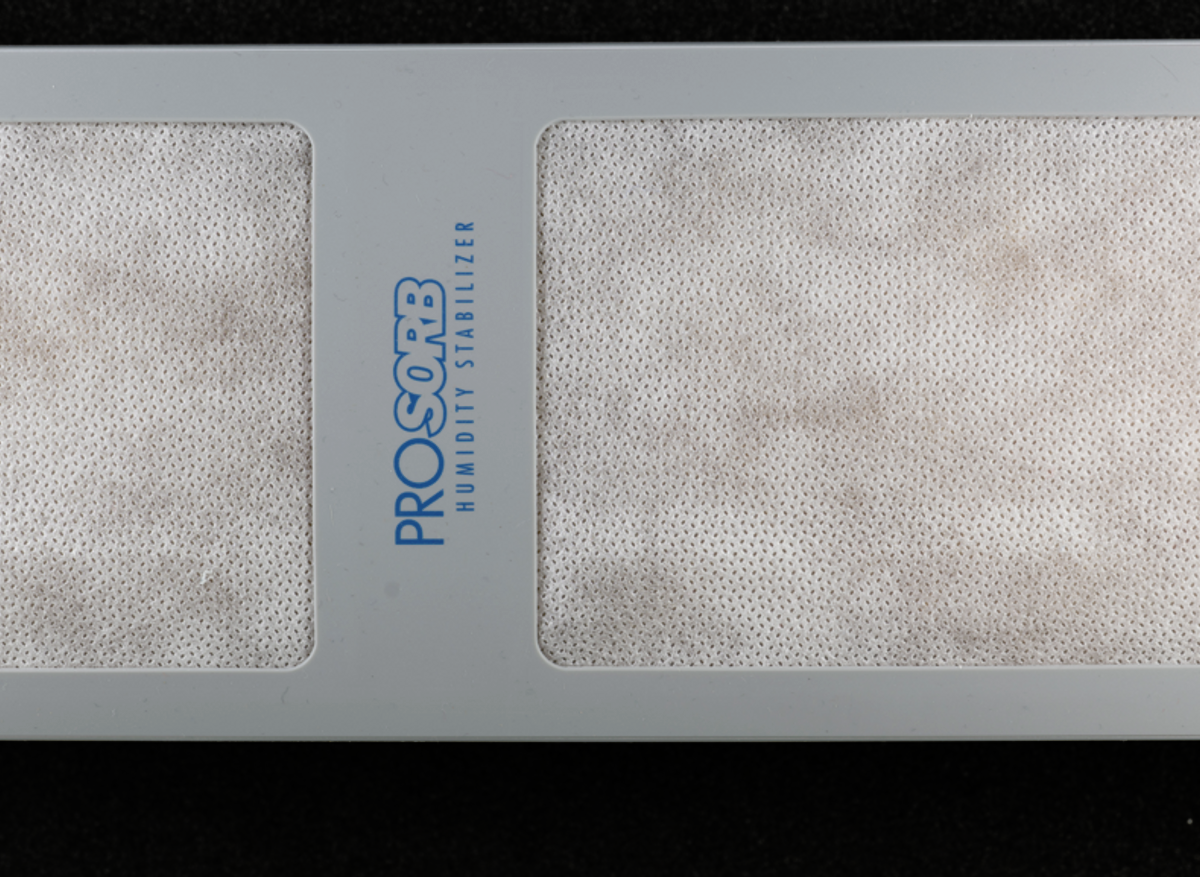
Prosorb - Prosorb is a form of silica gel designed to stabilize relative humidity within museum display cases and storage cabinets. It is capable of both absorbing and desorbing moisture, making it ideal for maintaining a stable RH level. Prosorb is available in various forms, including sachets and cassettes, and is pre-conditioned to maintain a specific RH level, such as 45, 50, or 55%. It is suitable for use in closed spaces where humidity must be kept stable without fluctuations.
IPM - This stands for ‘Integrated Pest Management’ and it is a system employed by almost all museums to allow for a tracking of the number and type of pests which enter areas where collections are held. Traps, known as blunder traps, are placed in key areas where pests would normally enter (or exit), and the sticky base (but non-pheromone) will trap the pests to allow for us to identify and record them. It is recommended to check traps quarterly (once every 3 months), but increase this if there appears to be an outbreak or sudden change.
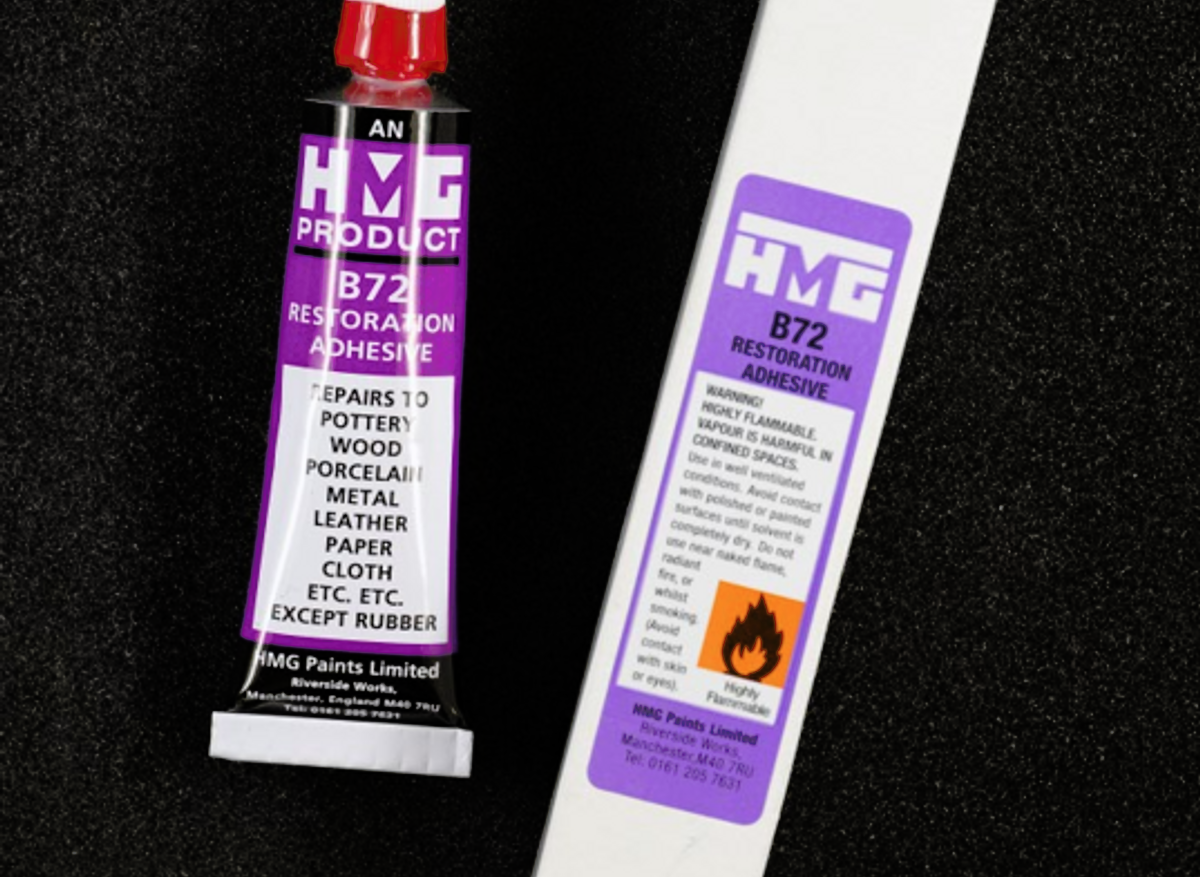
Paraloid (B72) - Accession numbers should be written in ink onto an to an area protected with a suitable acrylic varnish such as Paraloid B72 dissolved in acetone, applied on a discreet part of an object.
Inert - Polyethylene (polythene) is chemically inert and very stable
IMS (industrial methylated spirits) - This is a special type of chemical which is diluted down, and is used for mould cleaning on objects.
Tyvek
Prosorb
Plastzote Cut Out
Paraloid B72
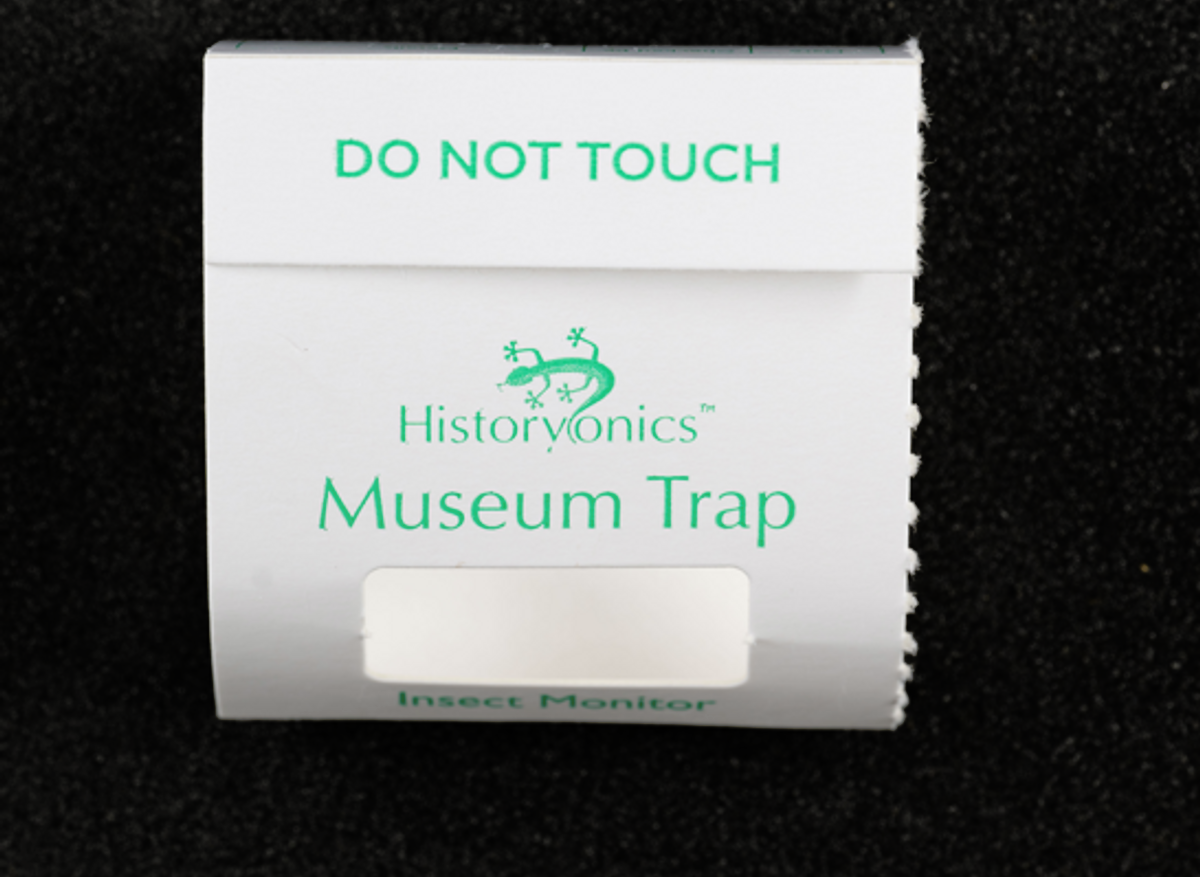
IPM
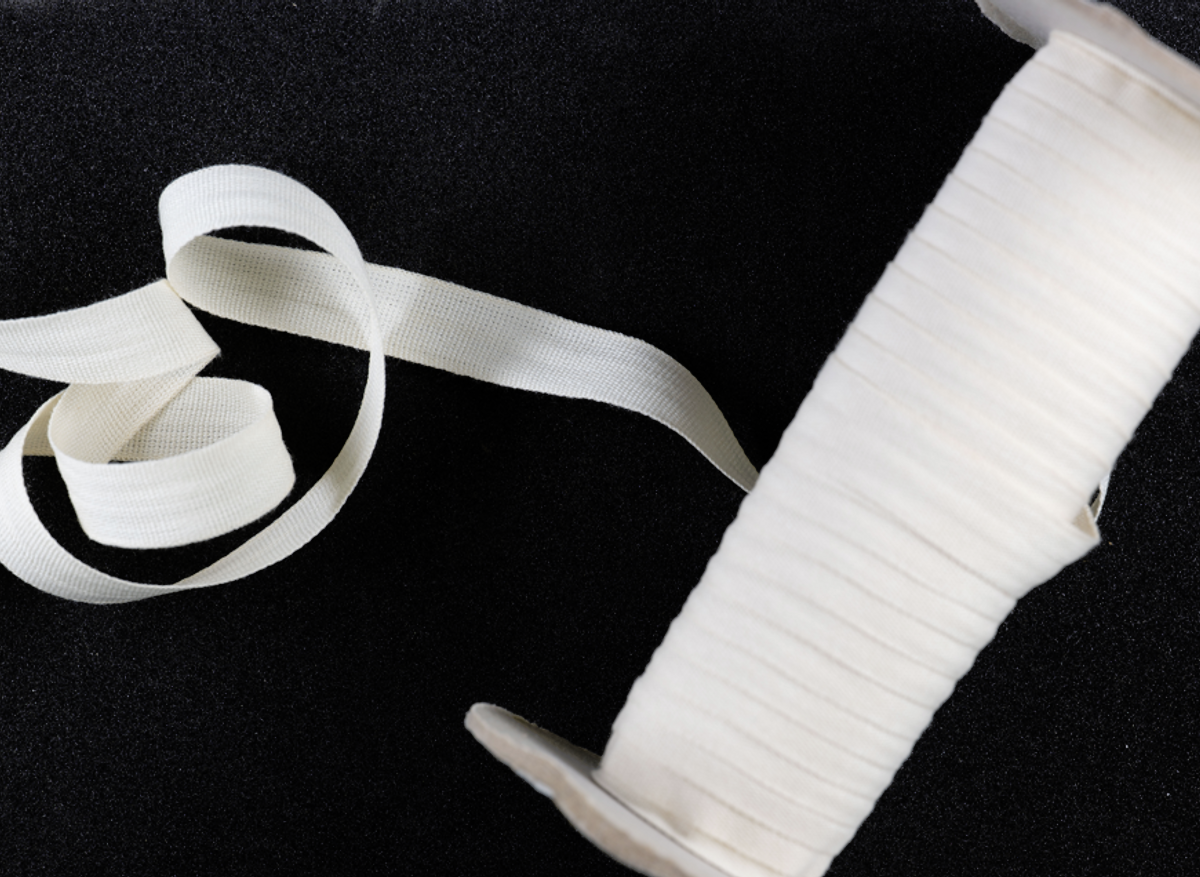
Cotton Tape
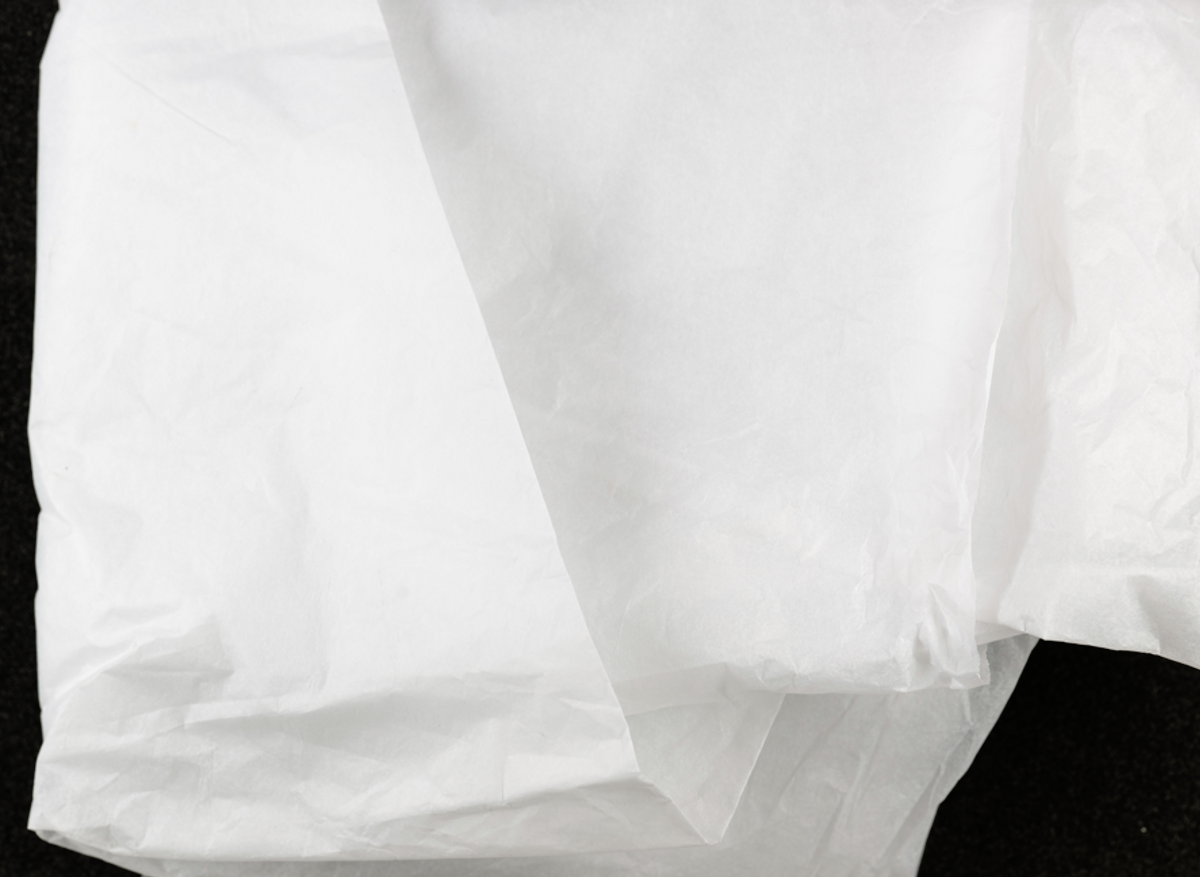
Acid Free Paper
Display
Panels/interpretation - these are the information boards which accompany most exhibitions or displays. They can come in lots of different formats, and different styles depending on your museum’s interpretation strategy and target audience. The important thing to always think about is Thematic, Organised, Relevant and Enjoyable. This is called the TORE method, introduced by Dr Sam H Ham and is taught in most museum studies courses.
Perspex - Perspex, or polymethylmethacrylate, can be moulded into stands for small glass, ceramic, and other solid objects in good condition. It can be difficult to process and shouldn’t be used with adhesives that contain harmful vapours.
Storage/Packing
‘Acid-free’ - people in the sector often shorten ‘Acid free tissue paper’ to just ‘acid free’. This is a special type of tissue paper which is better than pH neutral, as it has been made with archival needs in mind and does not have any added acids which can off-gas over time. Source tissue is made from cotton, linen rags, or highly purified wood fibre materials, without any trace of acid-producing lignin. You’ll see such tissue listed as ‘acid-free’, ‘museum-quality’ or ‘archive-quality’, indicating the absence of lignin and its suitability for packaging items. You can get either ‘buffered’ or ‘unbuffered’, and the difference between the two are that buffered contains alkaline compounds which prevent the migration of harmful acidic products onto paper objects.
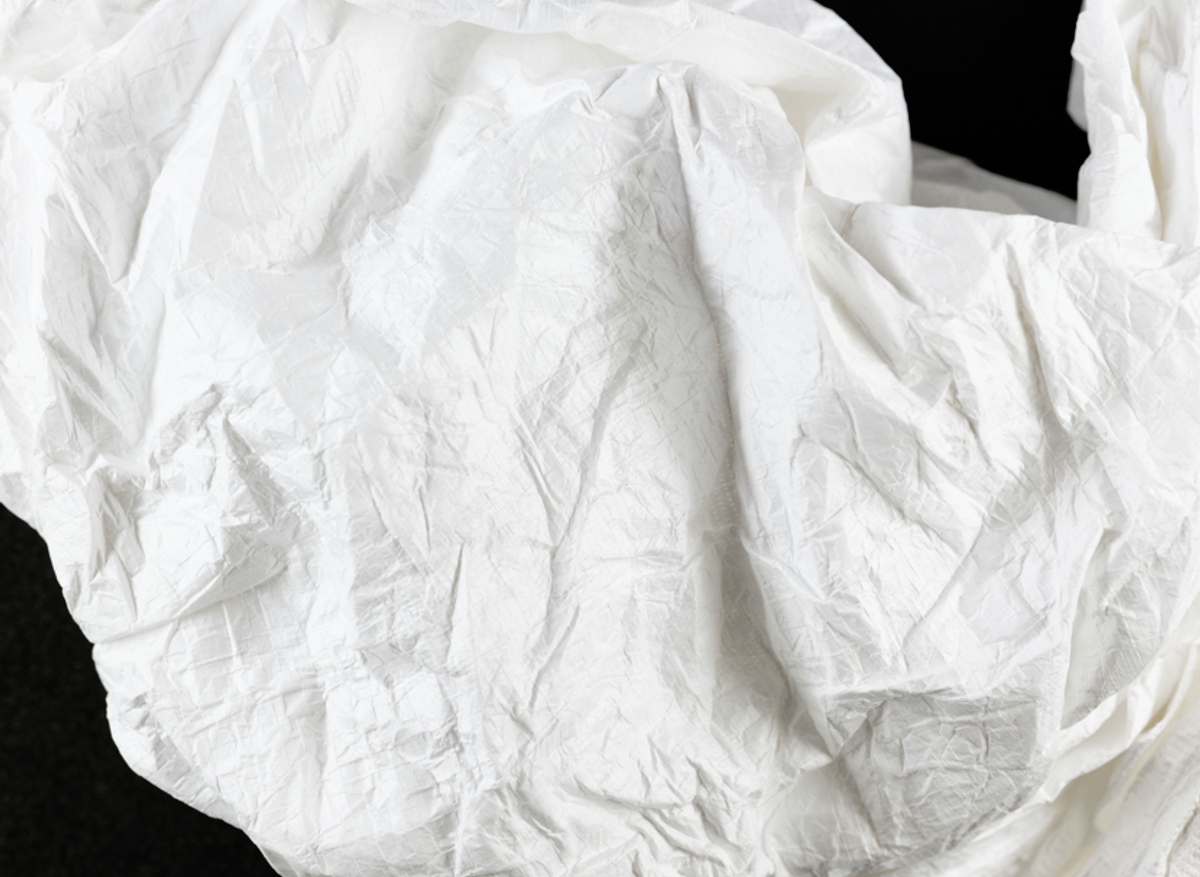
Tyvek® - Polyethylene which can be used in many ways as sheets or as a spun-bonded polyester. High-density polyethylene fibre sheeting that prevents the passage of water in one direction, from the smooth outside to the rough inside. Crucially, it allows for the passage of air in both directions. It can be used to make dust covers for costumes, upholstered furniture, and rolled textiles.
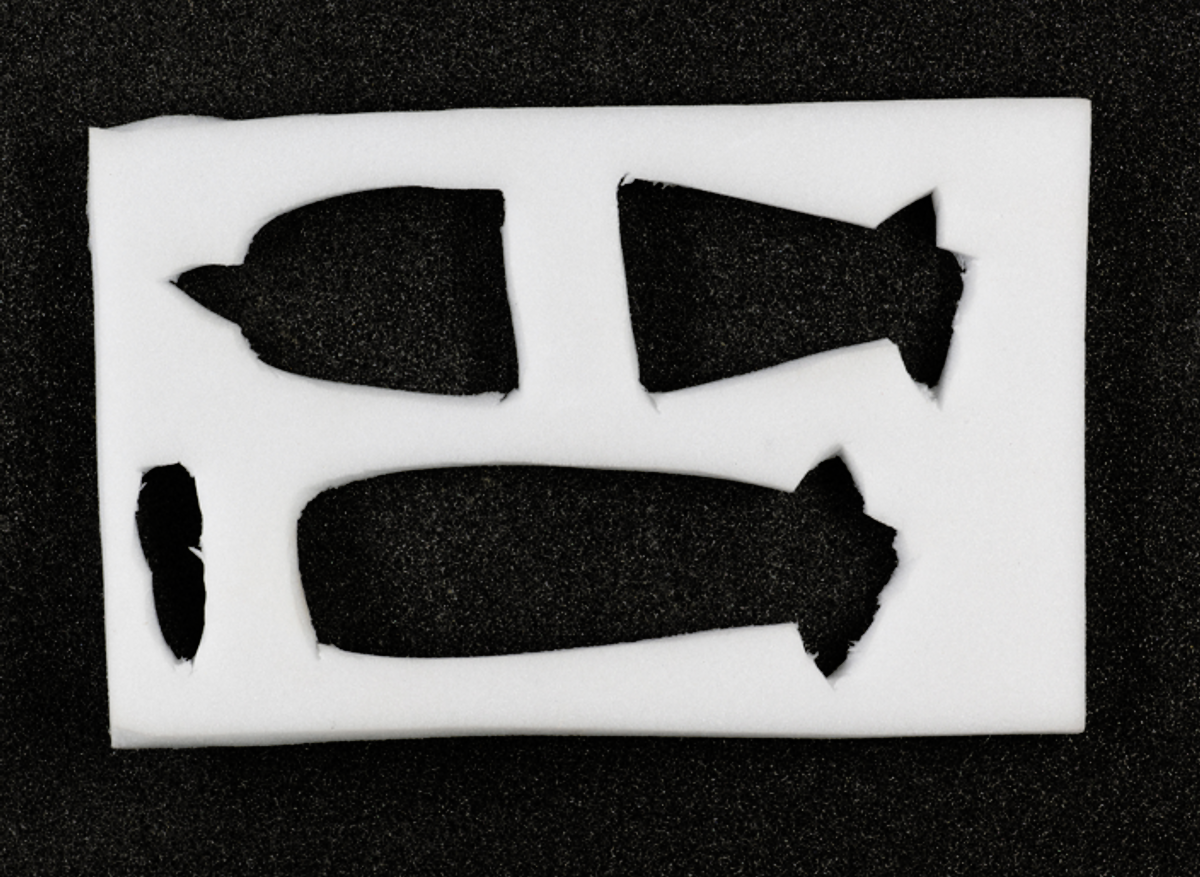
Plastazote® - Polythene foam which is inert and non-abrasive. It can come in all types of thicknesses, and can be cut using a stanley knife to desired shapes and sizes so objects can be comfortably surrounded by the foam.
Cotton tape - a material also made from spun-bonded polyester, but this is an unbleached cotton made into thin strips of tape, which can be tied around objects or boxes. It is often used to tie labels onto objects.
Correx® - Correx is a brand name for a corrugated polypropylene plastic acid- and lignin-free, preventing yellowing and brittleness. Museums, universities, and similar organisations commonly use Correx® acid-free archival boxes to protect documents, photos, textiles, and artefacts.
Melinex® - Melinex is transparent polyester sheeting that comes in sleeves of various sizes. It’s useful for storing photographic materials and paper items. The sleeves shouldn’t be used for anything with loose media, such as pastel and charcoal drawings, as static can cause the media to come loose.
Further resources
Introduction to storage and display materials - Museums Galleries Scotland
Signposts factsheet 2 - materials for storage and display - Collections Trust
Pest management - a practical guide - Collections Trust
Introduction to cleaning collections - Collections Trust
Interpreting Tips for Guides - The TORE Method - Be a Better Guide