
Animals, Archaeology, and Ancient Wisdom. Aesop's fable, The Lion and the Mouse
Multiple dates and times available
Aesop’s Fables are short stories in which animals behave like people to dramatize a clear moral lesson.
Aesop is a mysterious figure who is thought to have created many famous Greek fables. He is believed to have lived around 600 BC in ancient Greece.
Was he real? No one knows for certain. There are many stories about him. Some say he was a slave, while others say he was an advisor to a king.
Whether he was real or not, the stories are still famous today. Aesop’s fables often feature animals and always include a moral — a lesson or message to think about.
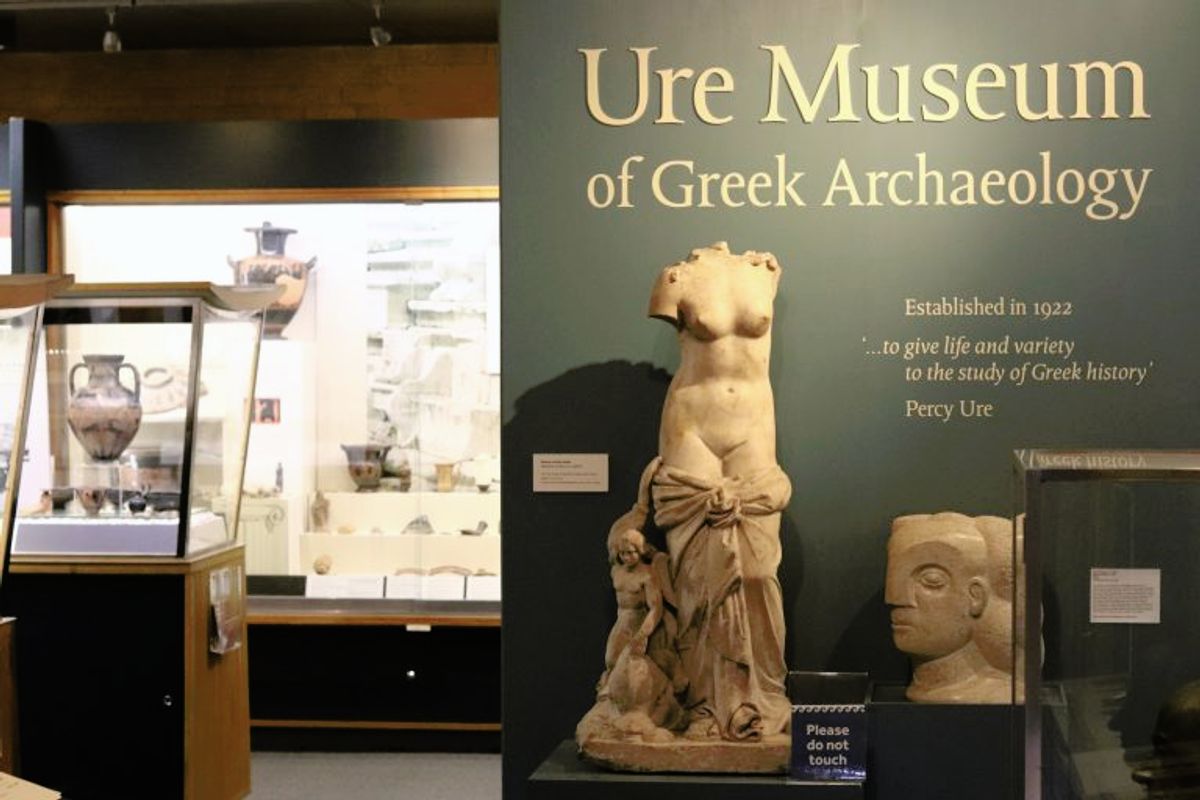
Come and explore one of Aesop’s fables, The Mouse and the Lion. Through storytelling, hands‑on craft activities, and object handling, we will discover how the ancient Greeks used animals to reflect human nature and behaviour. Together, we will consider how nature was used to explore human qualities such as kindness, power, and cooperation, and why these ideas are still important today.
Special Timed Activities – Wednesday 22nd July 2026
Object Handling Sessions Touch and explore real artefacts from ancient times!
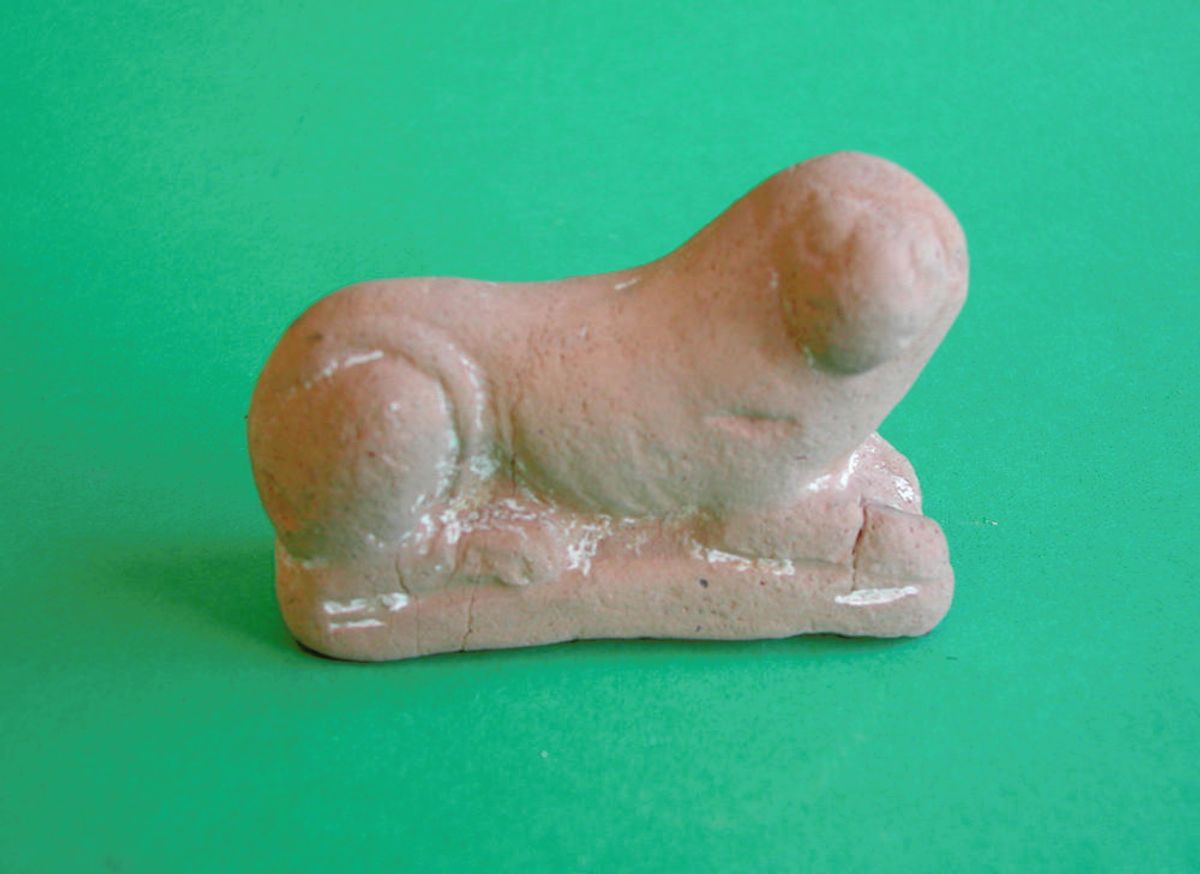
Did you know that lions were often used in Greek art and were associated with power and kingship?
Sessions at 10:00 AM and 2:00 PM (each lasting 30 minutes)
Location
The Ure Museum of Greek Archaeology, Department of Classics, School of Humanities, Edith Morley Building , Shinfield Road, Reading, Berkshire, RG6 6EL, United Kingdom
Additional location/direction information
Wheelchair users
The Ure Museum is located on the ground floor of the Edith Morley building. The building has many entrances, the closest to the museum is entrance 5. Entrance 1 has step-free access and power assisted doors.
Parking
Blue badge parking is available in all car parks.
Toilets
There are a number of toilets throughout the building. An accessible toilet can be found a short distance from the museum by entrance 1.
Sensory access
A sensory guide to the building is available.
There is also a visual map which shows what it is like to enter the museum space. It is a large file: we will be happy to send this to you – please email ure@reading.ac.uk
Large-print texts are available in the museum
Assistance dogs are welcome
Sensory backpack available.
Variety of seats types, with room to move.
Schedule
Tue, 21 Jul
10:00 AM
|
4:00 PM
Wed, 22 Jul
10:00 AM
|
4:00 PM
Thu, 23 Jul
10:00 AM
|
4:00 PM
Tue, 28 Jul
10:00 AM
|
4:00 PM
Wed, 29 Jul
10:00 AM
|
4:00 PM
Thu, 30 Jul
10:00 AM
|
4:00 PM