
Meet the 2026 Marsh Awards Nominees
Community Archaeologist of the Year
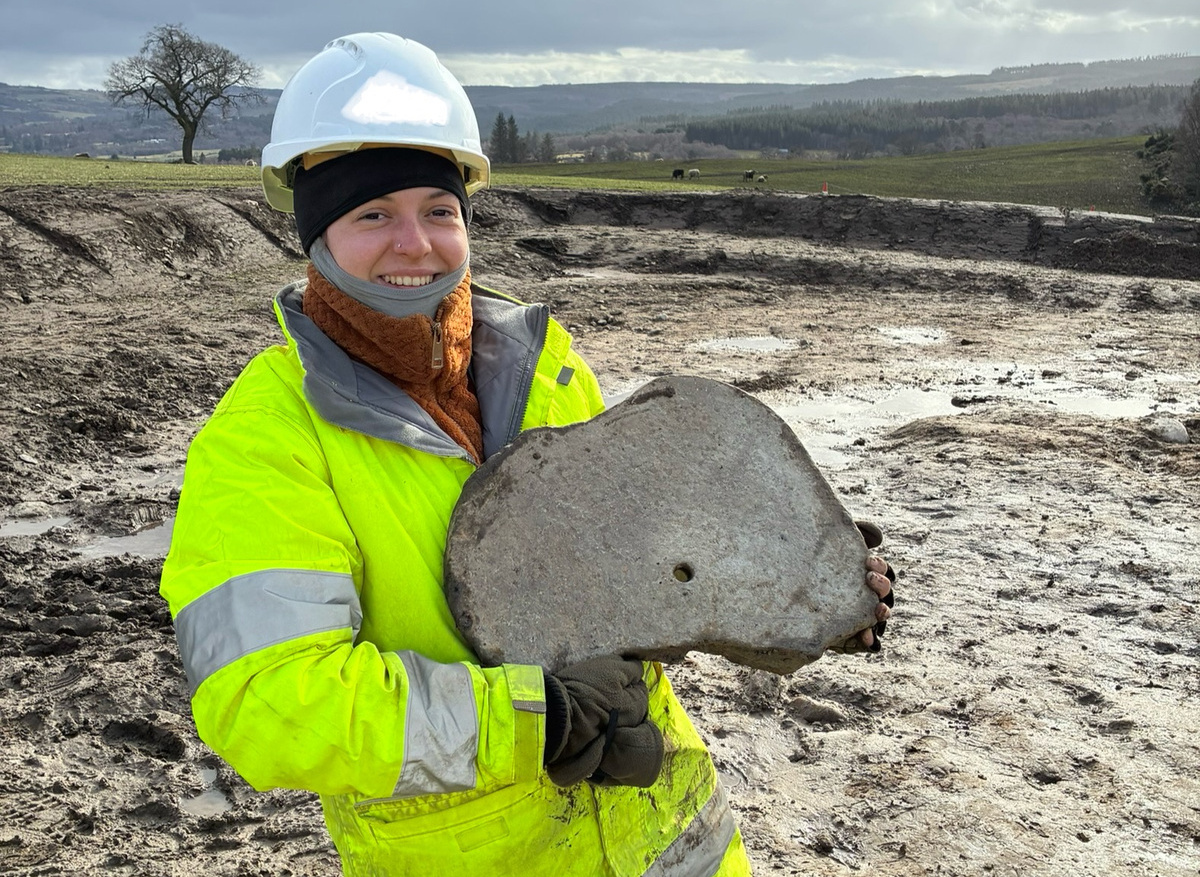
Jennifer Addis
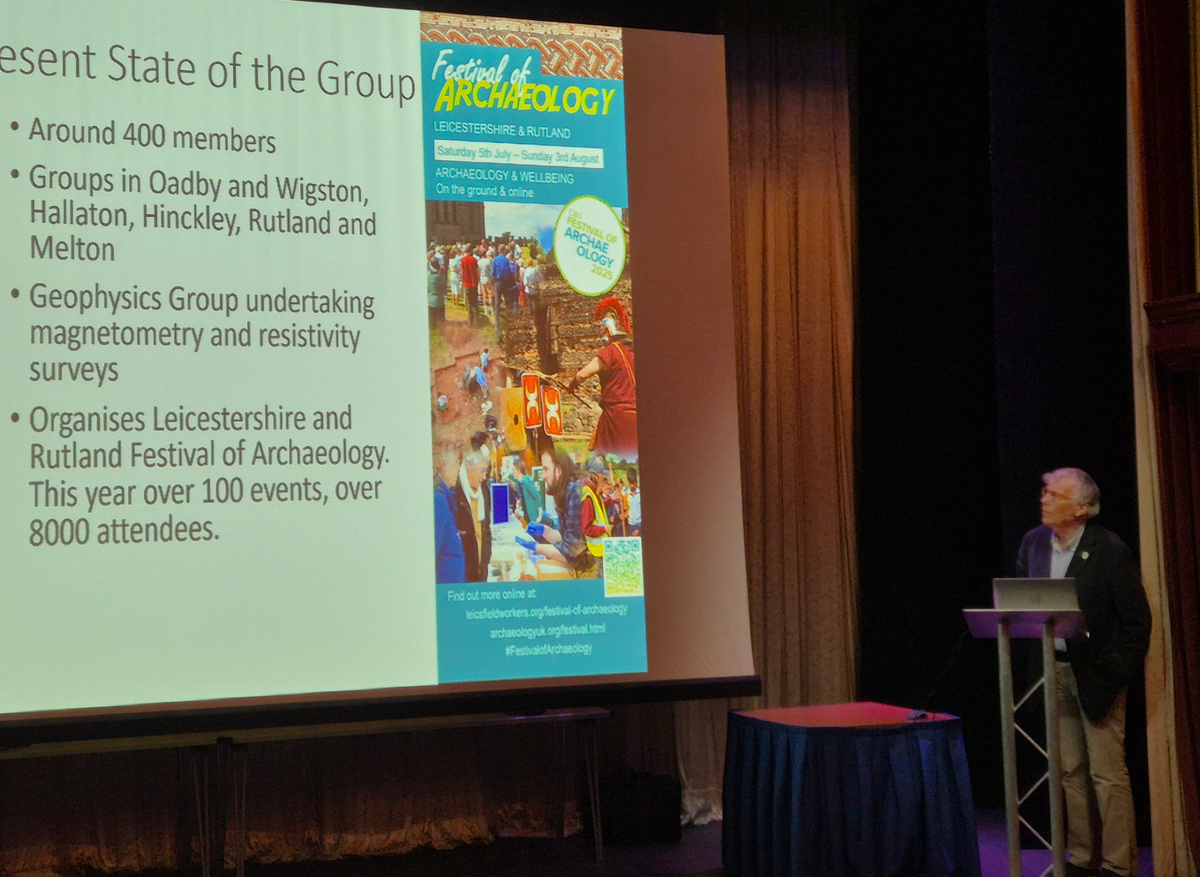
Peter Liddle
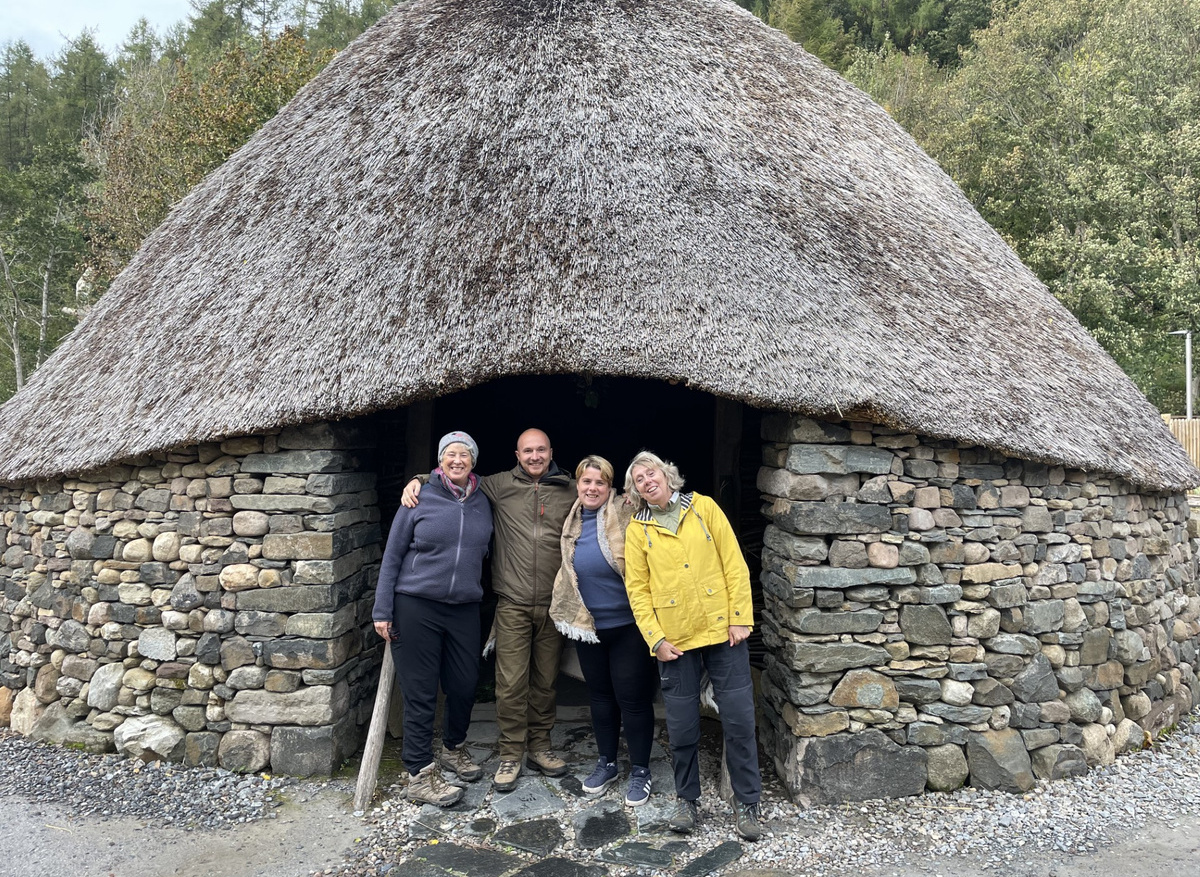
Tom Hicks
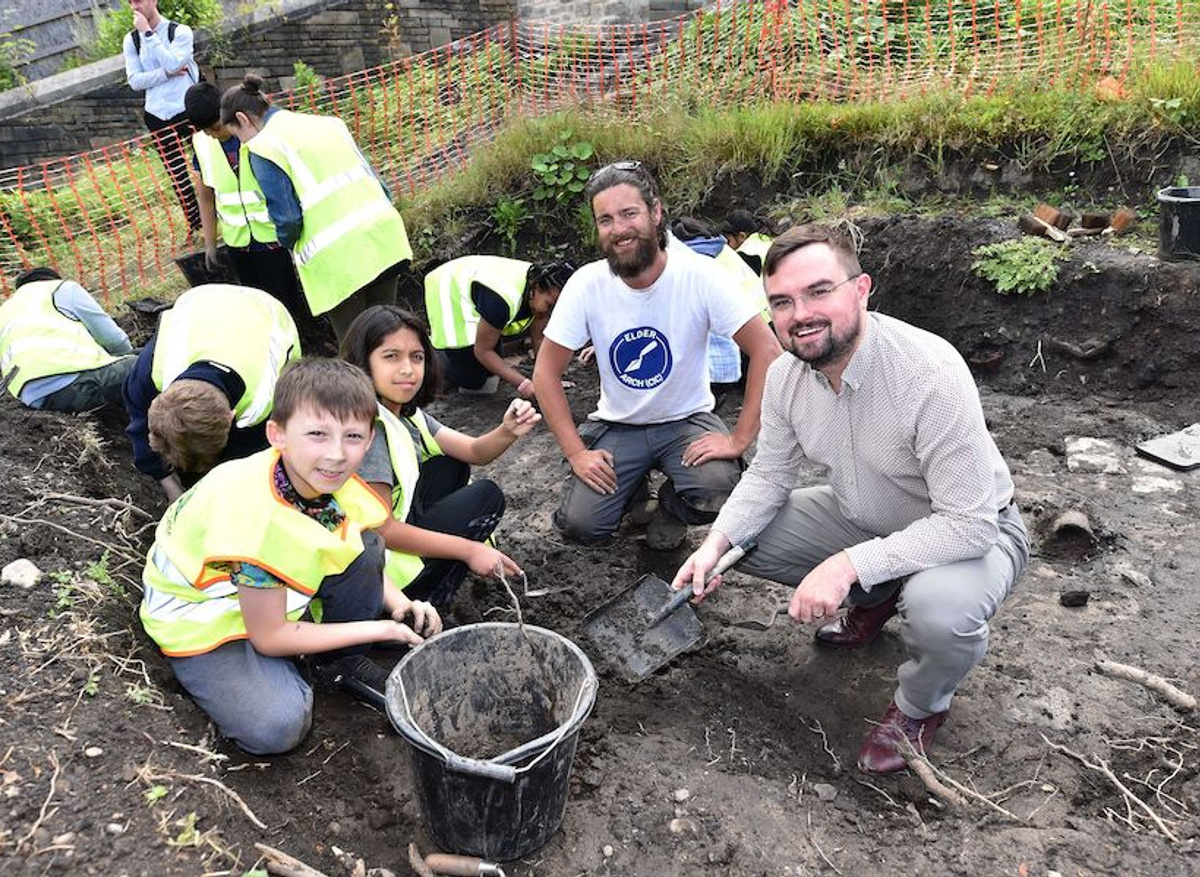
Colin Elder
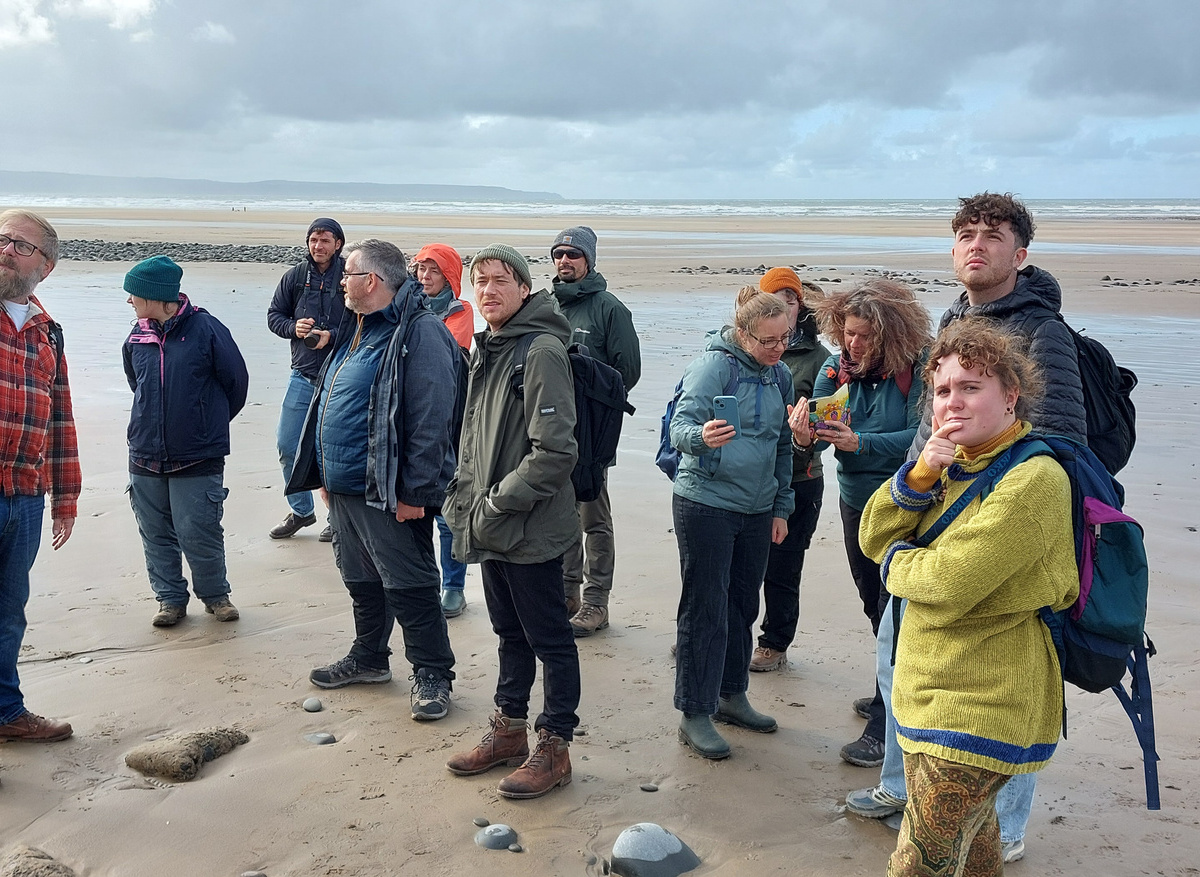
Richard “Dickie” Bennett
Jenny Addis
Jenny designs and delivers archaeology and heritage workshops in her local community which are aimed at breaking down barriers between archaeology & communities; something she is incredibly passionate about. These sessions are either free or low cost; an active choice Jenny has made to make archaeology accessible to everyone, including the most vulnerable in her community. Jenny also delivers archeology lectures in her local community, with a similar object in mind. To make archaeology as accessible as possible and provide a point of access for those that have an interest in their heritage and just need to be given a chance.
@addisarchaeology @leapinghareheritage
Jenny shared:
It’s an honour to make the short list and a delight to have worked on such wonderful community projects this year and with such great volunteers and students.
Peter Liddle
Peter serves as the Membership Secretary and Newsletter Editor of the Leicestershire Fieldworkers after being a long-serving Chairperson of the organisation until June 2024. He is currently heading the group organising the 50th Anniversary conference of the Leicestershire Fieldworkers and editing the proceedings of the said conference.
Tom Hicks
Tom’s ten-year journey from inexperienced volunteer to community archaeologist for the award-winning CAER Heritage project (CAER) is inspirational. In recent years, Tom has trained and supported 700 local volunteers over five community excavations, overseen the establishment of a CAER youth forum for local young people, delivered 20 interactive school visits to 600 local pupils engaging them with archaeology and ancient crafts, organized 5 heritage trips for local volunteers who rarely get such opportunities, facilitated community participation on the CBA’s UK-wide Reconnecting Archaeology project, inspired/supported 5 non-traditional adult learners onto archaeology degrees and introduced countless community members to archaeological wonders beneath their feet.
CAER Heritage Web Page: https://www.caerheritage.org
Action in Caerau and Ely Web Page: https://www.aceplace.org/caer-heritage-project/
CAER Heritage Facebook Page: https://www.facebook.com/CAERHeritage
CAER Heritage Podcast series: https://www.publicengagement.ac.uk/caer-heritage-podcast
Colin Elder
Colin has made it his mission to inspire others to get involved in archaeology, founding Elder Archaeology, CIC: Community Archaeology & Heritage Services in 2024. This Social Impact Company works to engage people with limited or no previous experience in archaeology, and it offers a co-operative business model that supports professional archaeologists and heritage experts in leading their own public-engagement projects.
@Elderarchaeologycic
@Heritagefunduk
@Rochdale.creates
@Rochdale Borough Council
Dickie Bennett
Dickie has made a sustained and demonstrable contribution to community archaeology in the UK over the past three years, working across professional, voluntary, and research contexts to broaden participation, strengthen skills development, and improve the inclusivity and impact of community-led projects. Dickie has consistently inspired others to engage with archaeology through his work with veteran communities, particularly through initiatives such as Operation Nightingale and Breaking Ground Heritage.
www.linkedin.com/in/dickie-bennett-999785261
Dickie shared:
I am delighted and honoured to have been shortlisted for the Community Archaeologist of the Year. For me, community archaeology has always been about people as much as the past. About creating opportunities for connection, confidence, learning, and shared ownership of our collective heritage. I feel very fortunate to have worked alongside so many inspiring participants, volunteers, colleagues, and communities, and this recognition reflects their enthusiasm, commitment, and shared belief in the value of archaeology.
Community Archaeology Project of the Year
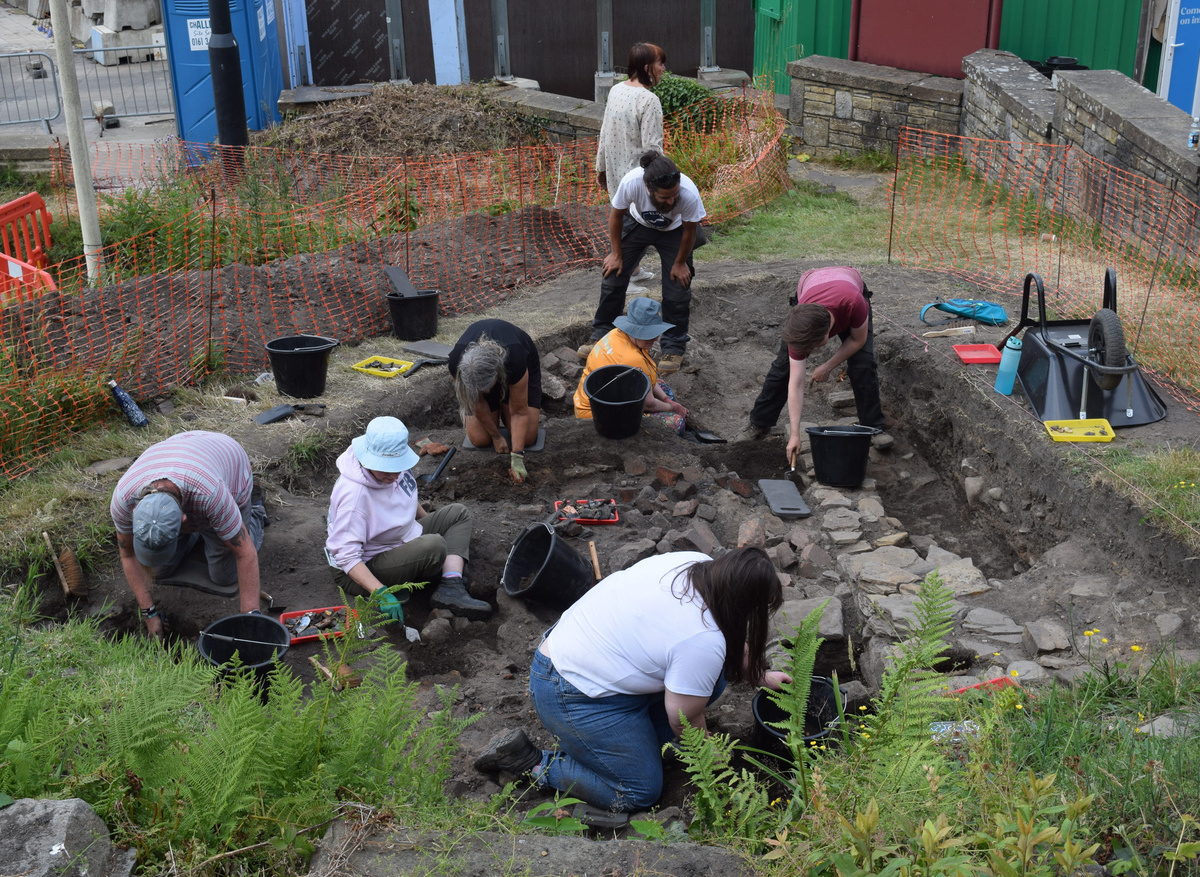
Broadfield Park Slopes Restoration Project
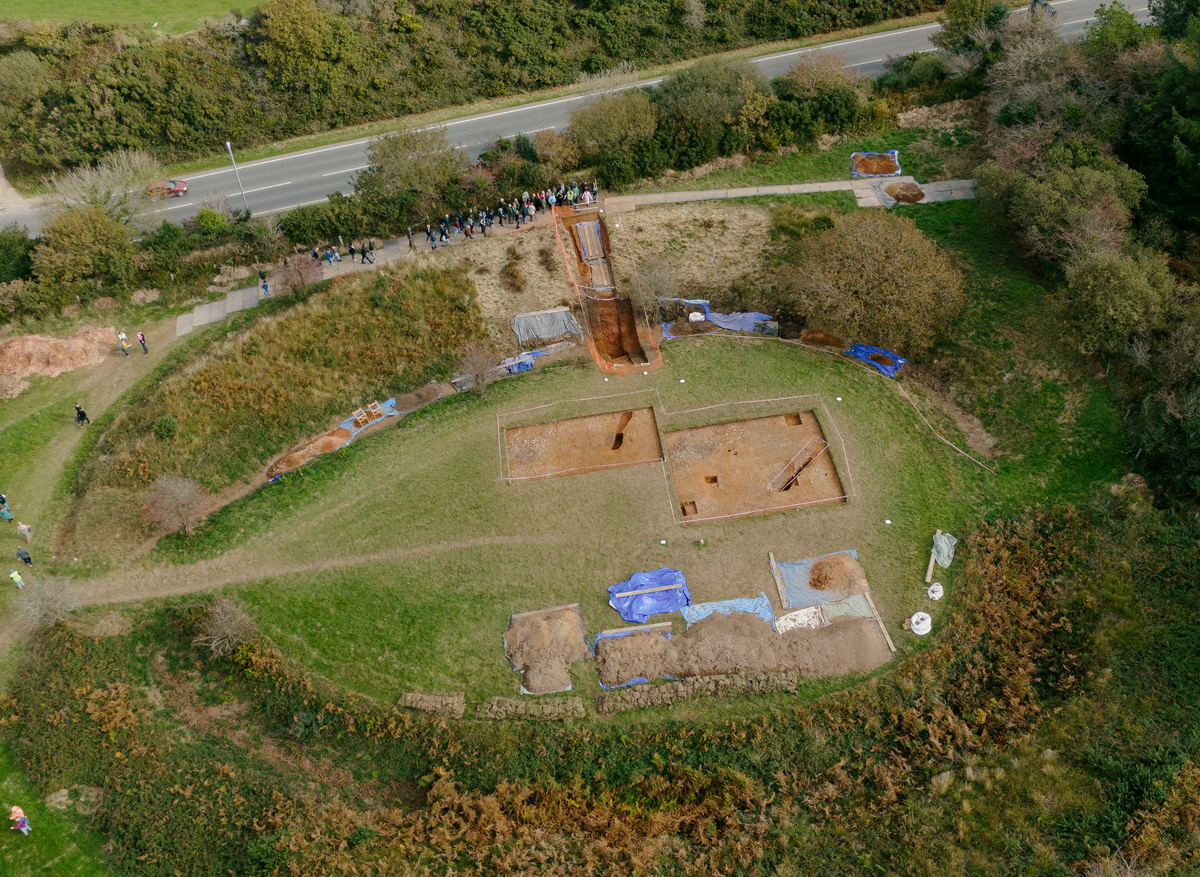
Castilly Henge
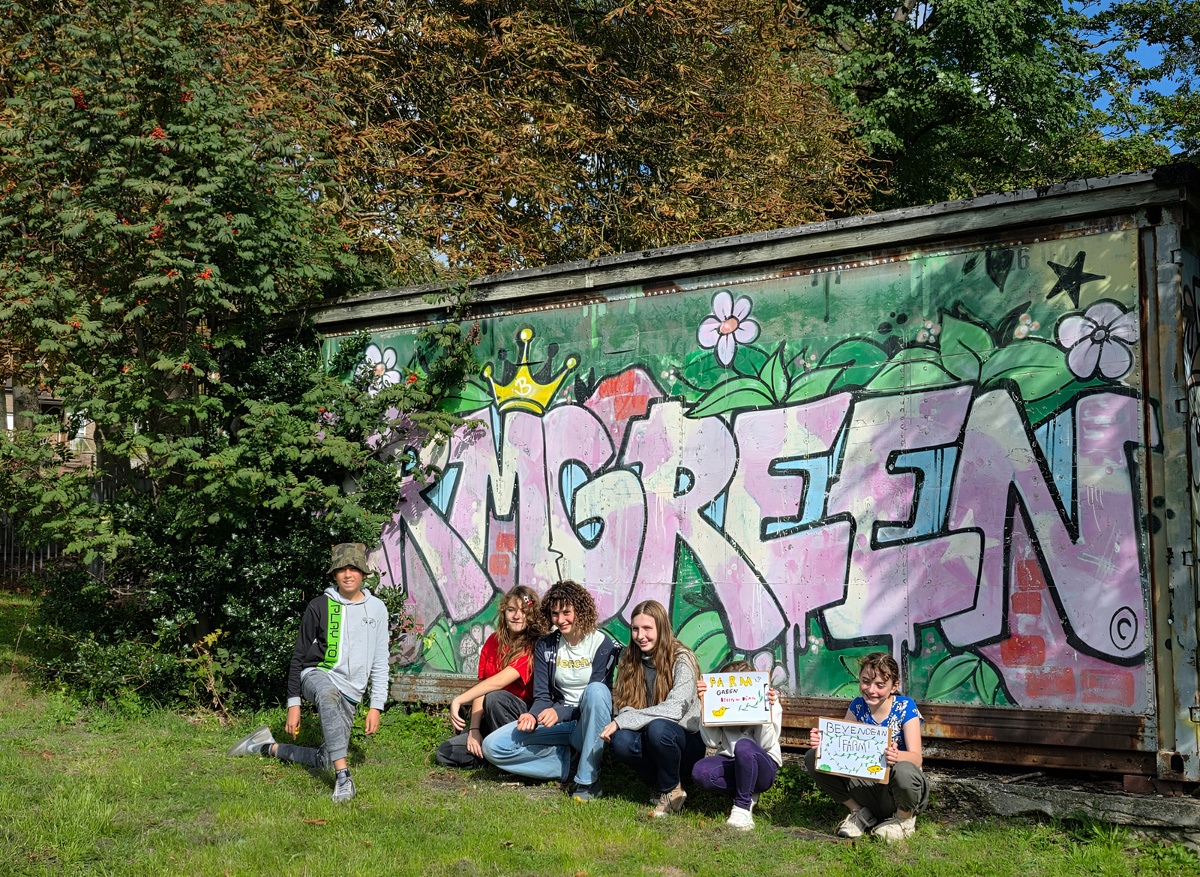
Farm Green Dig Project
Finding the Lost Manors of Harlaxton
The Experimentalists (at Butser Ancient Farm)
Tudor Farming Information Group
Vikings for Scouts
Roughbirchworth Community Excavation Project
Castilly Henge
The project at Castilly was a collaboration between Cornwall Archaeological Society, Historic England and Cornwall Heritage Trust. The excavation was funded and directed by HE, helped by archaeologists from Cornwall Archaeological Unit. Engagement, embedded in the project from the outset, was supported by grants from the National Lottery Heritage Fund and HE. The excavation sought to answer questions about the site’s origins, structure, and later reuse but it was not simply a scientific investigation. From its inception, the Castilly Henge project was a community project—with archaeology shared, experienced, and shaped by the people whose heritage it represents.
Facebook: Cornish Archaeology, Cornwall Heritage Trust, Historic England
LinkedIn: Historic England, Cornwall Heritage Trust
Instagram: Cornwall Heritage Trust, Historic England
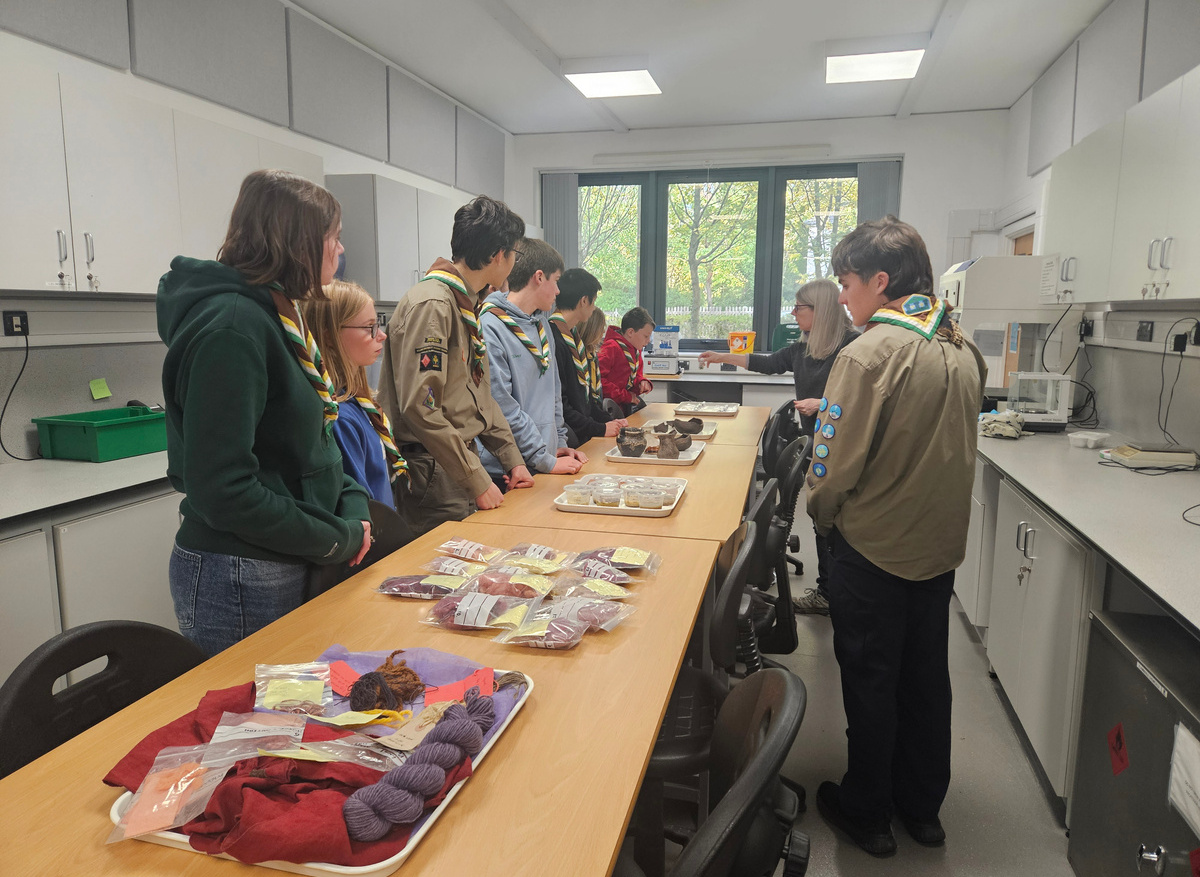
Vikings for Scouts
Vikings for Scouts is a collaboration between the University of Nottingham’s Centre for the Study of the Viking Age (CSVA) and Derbyshire Scout Archaeology (DSA). From research-informed resource development and outreach training for adult volunteers, to exciting and interactive activities for Scouts, the project aims to inspire young people in the East Midlands to investigate how Viking period archaeology reveals the lasting impact of the Vikings on our towns and communities, and on our lives today.
DSA: https://www.derbyshirescouts.org/activity/archaeology
DSA FB: https://www.facebook.com/DerbyScoutArch
DSA Youtube: https://www.youtube.com/@derbyshirescoutarchaeology
CSVA: https://www.nottingham.ac.uk/research/groups/csva/index.aspx
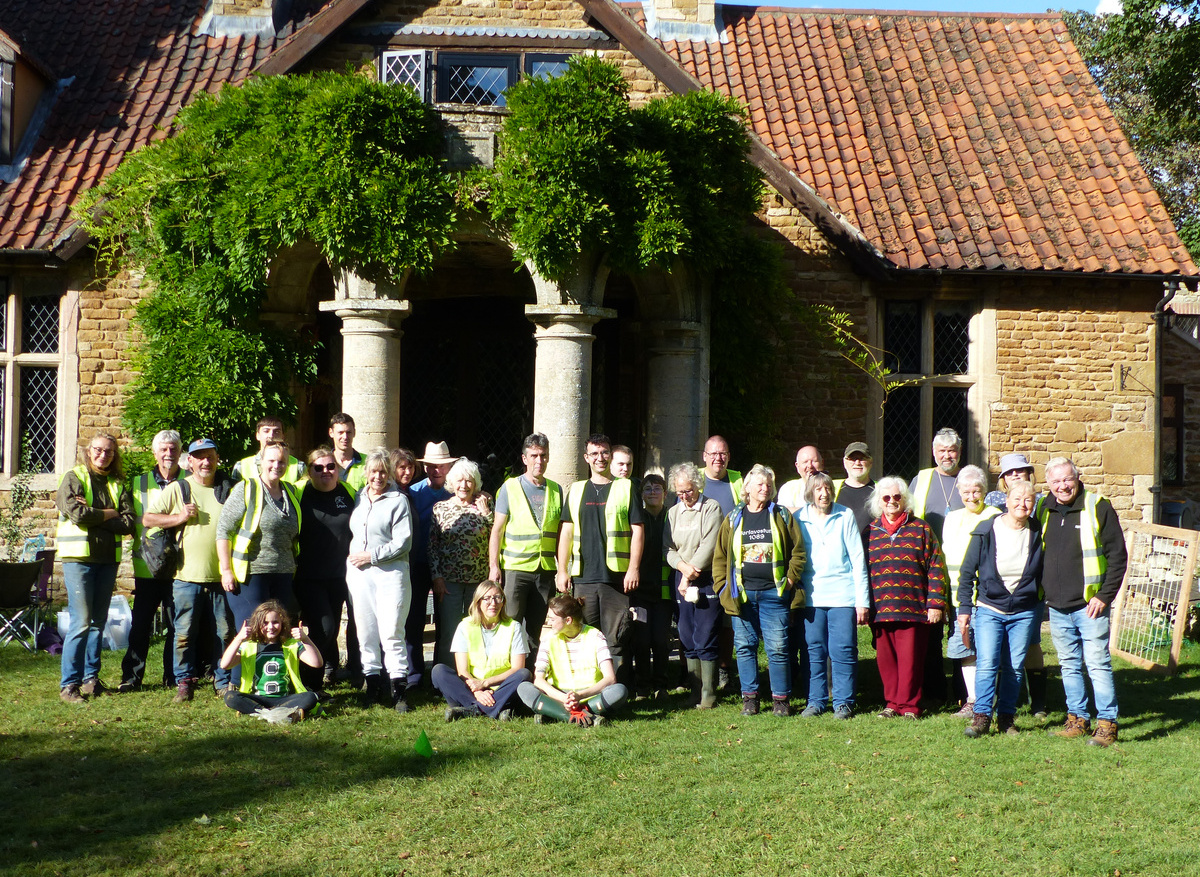
Finding the Lost Manor of Harlaxton
Delivered between 2024 and 2026 with support from the National Lottery Heritage Fund, the project investigated the long-lost manorial complex at the centre of Harlaxton village. Through a structured programme of archival research to create a Desk Based Assessment, Ground Penetrating Radar Survey, targeted excavation, finds identification and processing, and report writing (currently underway) the project not only advanced archaeological understanding of the lost manors, but placed community participation at its core.
Harlaxton History Society Facebook Page:
Harlaxton History Society | Facebook
Harlaxton History Website:
Farm Green Dig Project
The project explored a previously overlooked medieval and post-medieval farm complex hidden beneath a community park in Bevendean, one of Brighton’s most disadvantaged neighbourhoods. In total, 732 individuals aged 3 to 93 engaged across the project. Led by Brighton Young Archaeologists’ Club (YAC) and delivered through a partnership with Brighton & Hove Archaeological Society (BHAS), and Bevendean History Group (BHG), it placed local people at the centre of uncovering their own history. This represents a significant shift in Sussex archaeology practice towards a co-created, community-led heritage model.
Brighton YAC Tiktok Facebook Instagram Twitter
Brighton & Hove Archaeological Society TikTok Facebook Instagram Twitter
Bevendean History Group Evaluation Report Interactive Map, Film and Blog
Archaeodiscovery – Impact Study and Blog
The team shared:
We are absolutely delighted that the Farm Green Dig Project has been shortlisted for this award. This recognition truly belongs to the hundreds of local residents, volunteers, and young people who gave their time and enthusiasm so generously. Beyond the thousands of finds we uncovered, the true success of the project was its profound impact on community wellbeing and connection. It is a powerful testament to what can be achieved when a community comes together to explore, celebrate, and reclaim its own heritage.
Broadfield Park Slopes
Starting in June 2025, the project has delivered a total of 22 archaeology work placements, completing 1094.5 volunteer hours, working with local university/college students and local people, providing skills development opportunities in excavation, community archaeology, map regression, finds cataloguing and display design, among others. All participants reported having gained new skills and increased confidence, as well as a large majority reporting that the placements have changed their thoughts/actions about heritage, particularly accessibility to careers.
@rochdale.creates
@heritagefunduk
@rochdalecouncil
@elderarchaeologycic
@rochdaletownhall
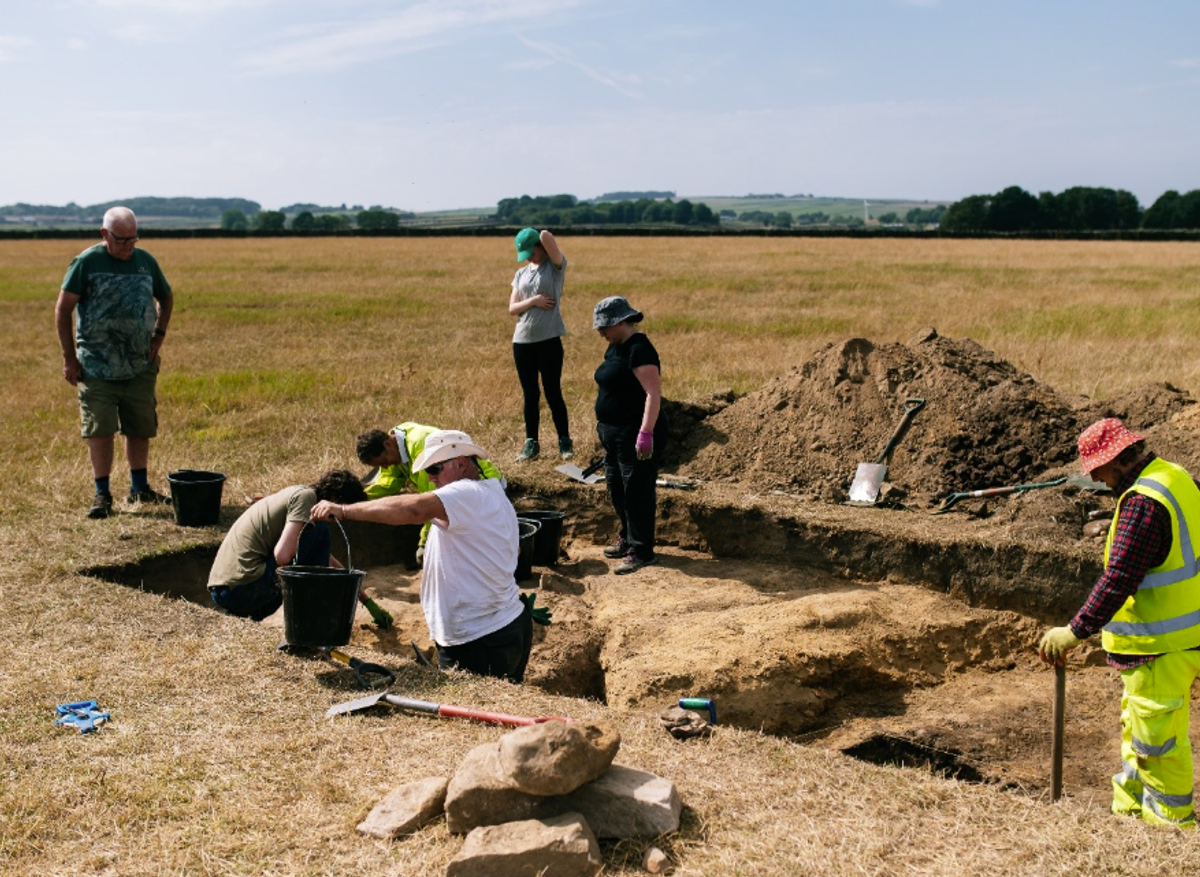
Roughbirchworth Community Excavation Project
The most recent phase of investigation has been the culmination of all of this with the largest community engagement so far. More than 400 people signed up to the community group during the setup for the project, the vast majority being local to the Oxspring and Roughbirchworth area, and of these more than 100 people attended on site as volunteers and visitors during the two week excavation.
https://www.oxspring-parish.com/possible-roman-camp-roughbirchworth
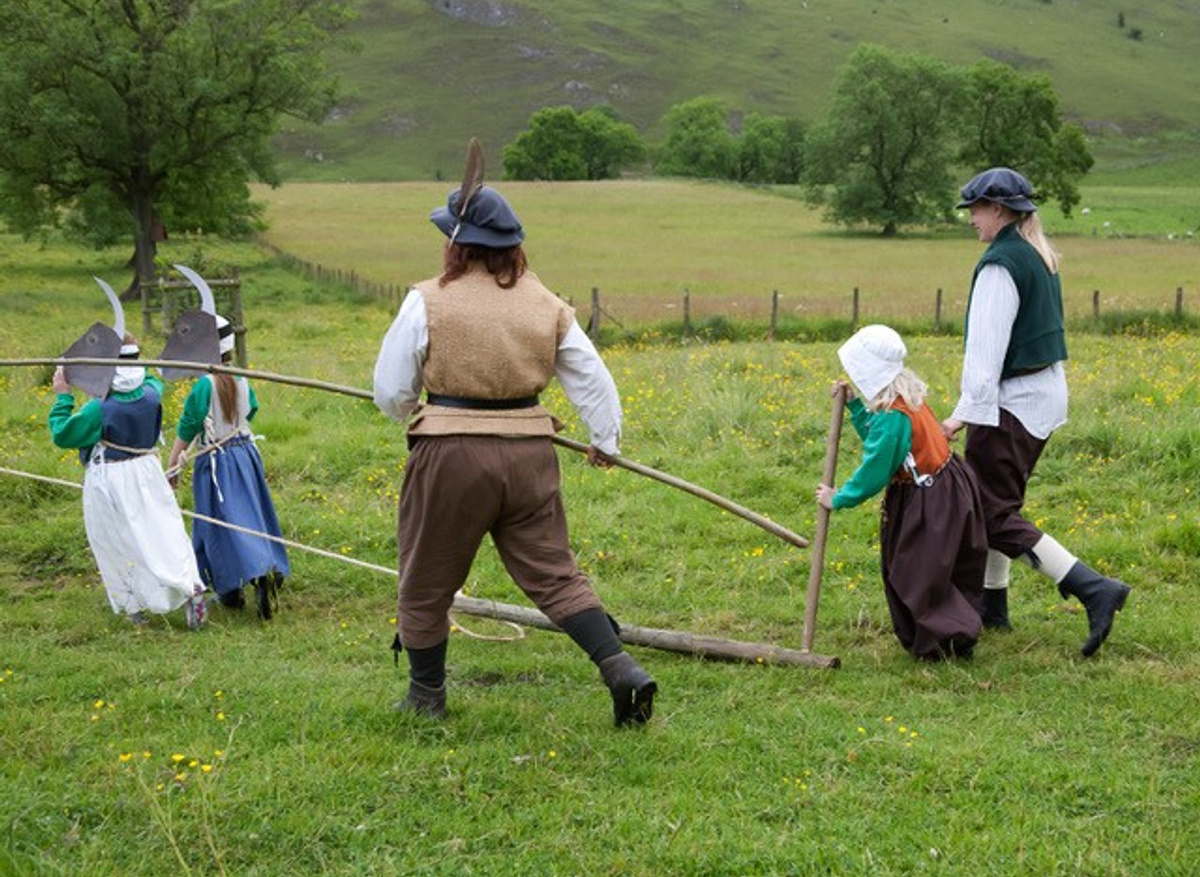
Tudor Farming Information Group
The project set out to overcome as many of the limiting aspects of an archaeological project as we could, so that as many people as possible were able to visit, take part and see what we were doing. To do this, we worked with accessibility consultant, Phil Chambers, who specializes in accessibility to rural heritage sites. As well as making reasonable practical adjustments, our core team of volunteers also underwent training.
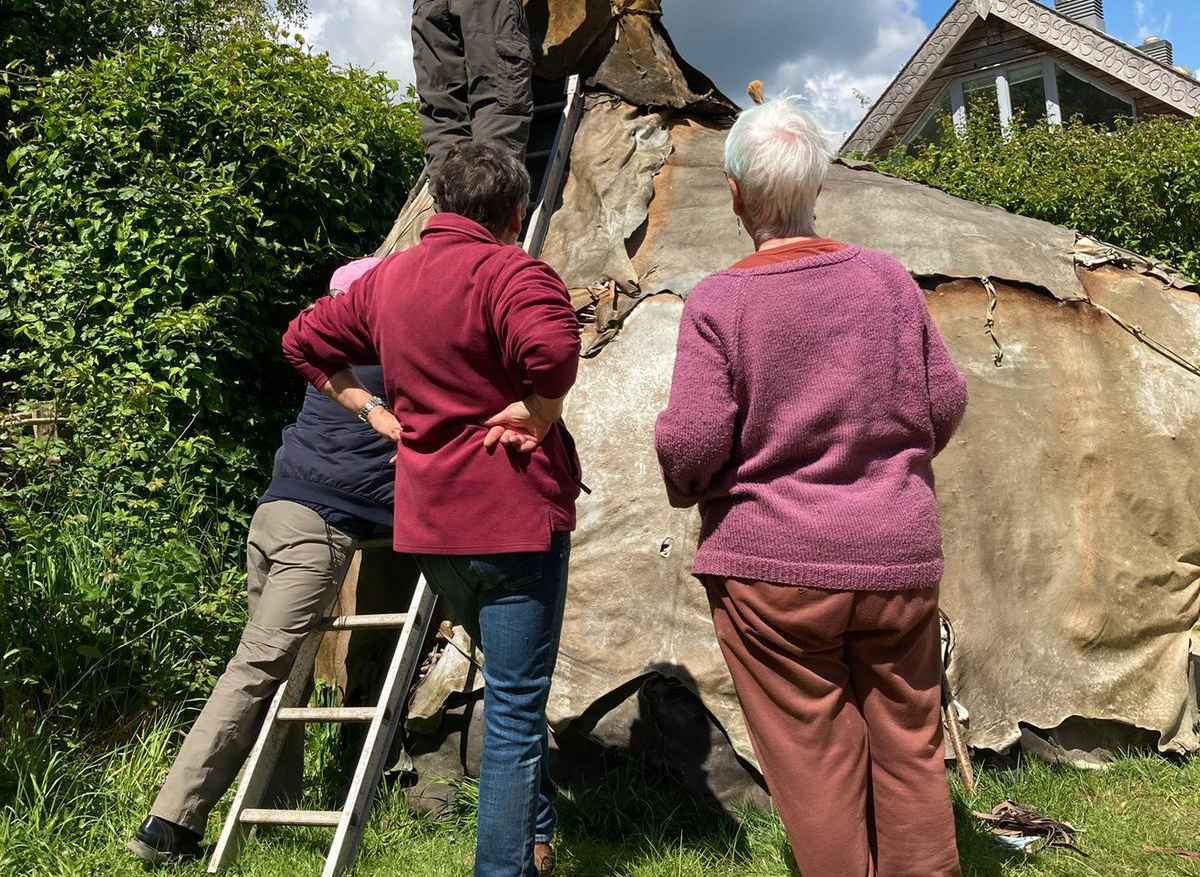
The Experimentalists @ Butser Farm
At Butser Ancient Farm, our work is grounded in experimental archaeology - testing ideas about the past through practical, hands-on investigation. The Experimentalists are central to this mission. They are not simply volunteers assisting with tasks; they are active research participants, investigating ancient technologies, materials, and ways of life through ongoing experimentation.
Their contributions have significantly enriched our understanding of the past in ways that are both rigorous and deeply human. The outcomes of their work are shared widely, both on-site during public open days and through our digital platforms, including Butser Plus videos on YouTube and the Butser Blog, ensuring that their research reaches audiences far beyond the Farm itself.
Iron Age tapestries - https://www.butserancientfarm.co.uk/blog/2026/1/23/experimenting-with-iron-age-tapestries
Experimentalists round up - https://www.butserancientfarm.co.uk/blog/2025/6/6/experimentalists-round-up
Flint wall building - https://www.butserancientfarm.co.uk/blog/2026/1/23/building-butsers-little-hadrian
Small post hole structures - https://www.butserancientfarm.co.uk/blog/2026/3/30/the-chicken-house-eggsperiment
Felting experiment - https://vimeo.com/manage/videos/1047448628/a3f37f00b3?ts=136525