The Past in Our Hands? Rethinking Access Through a Museum Handling Collection
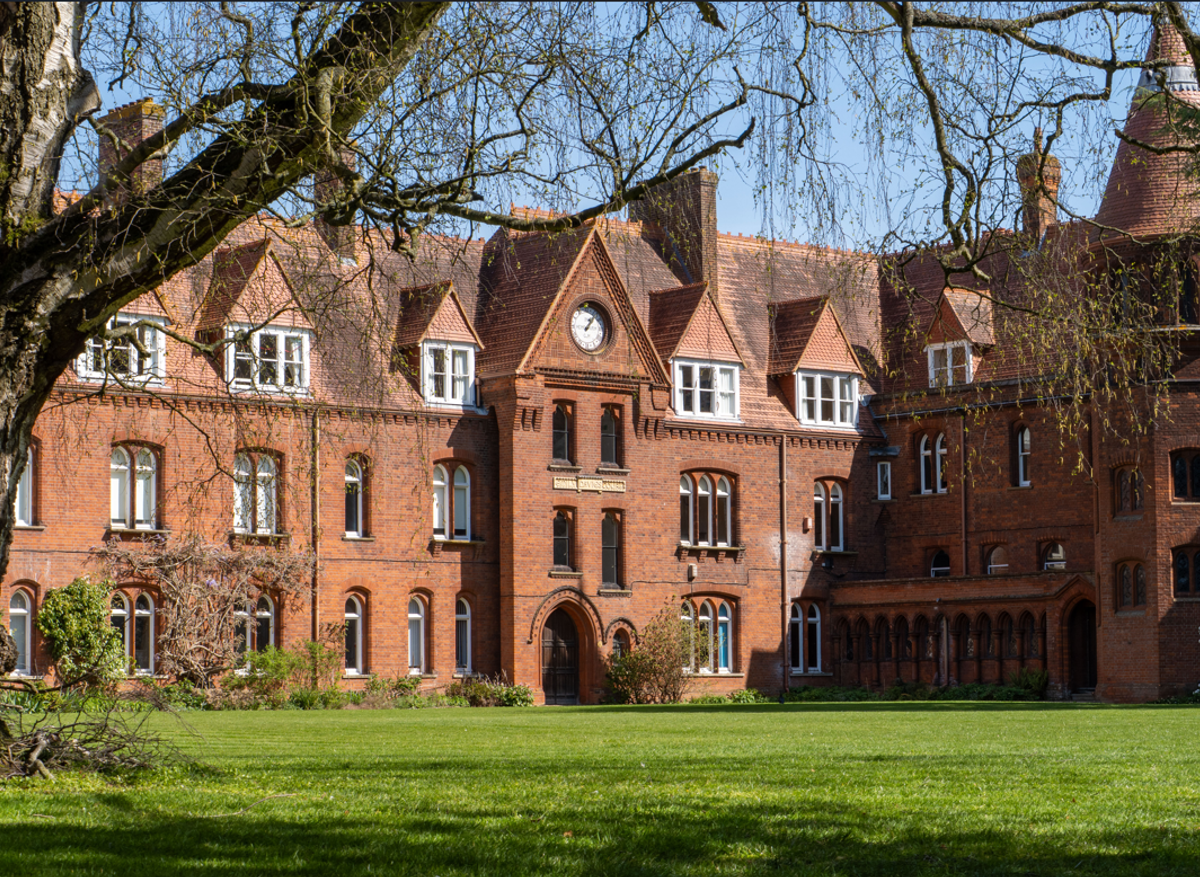
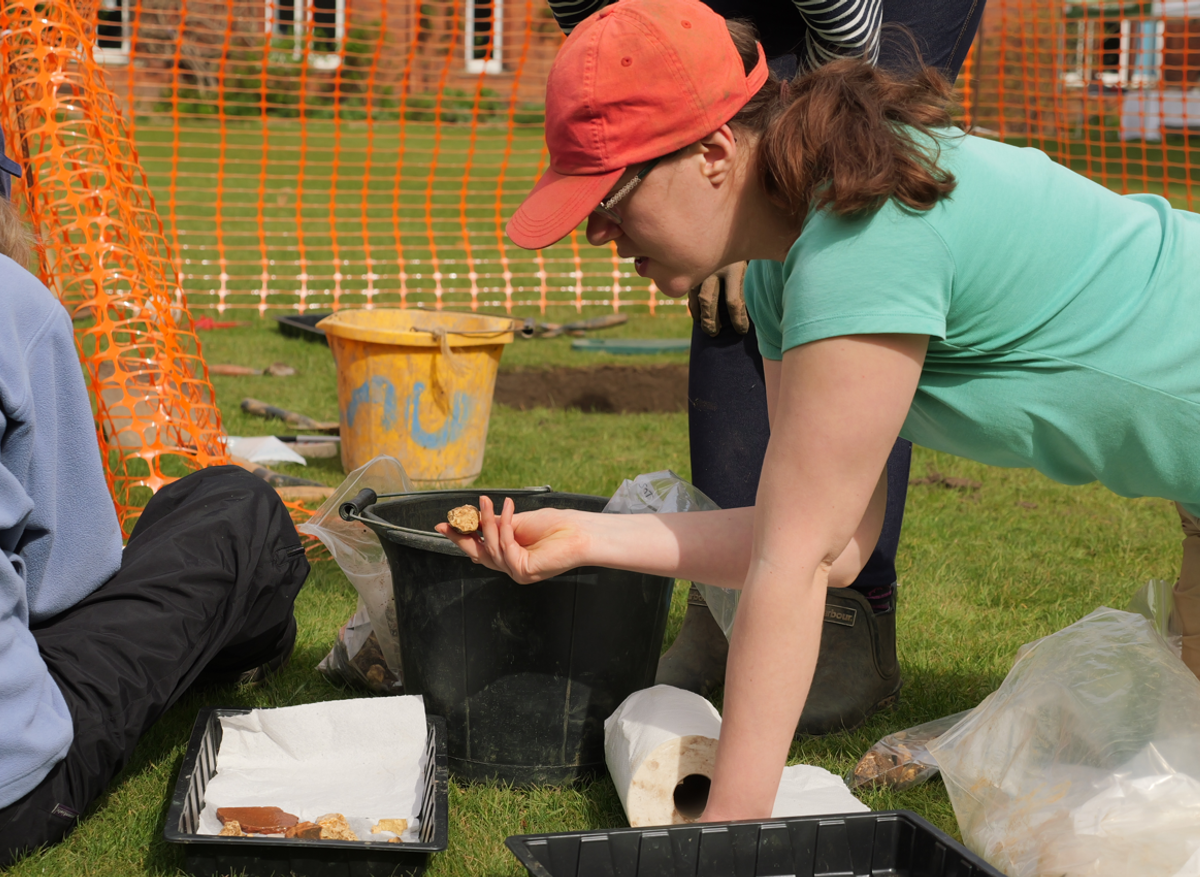
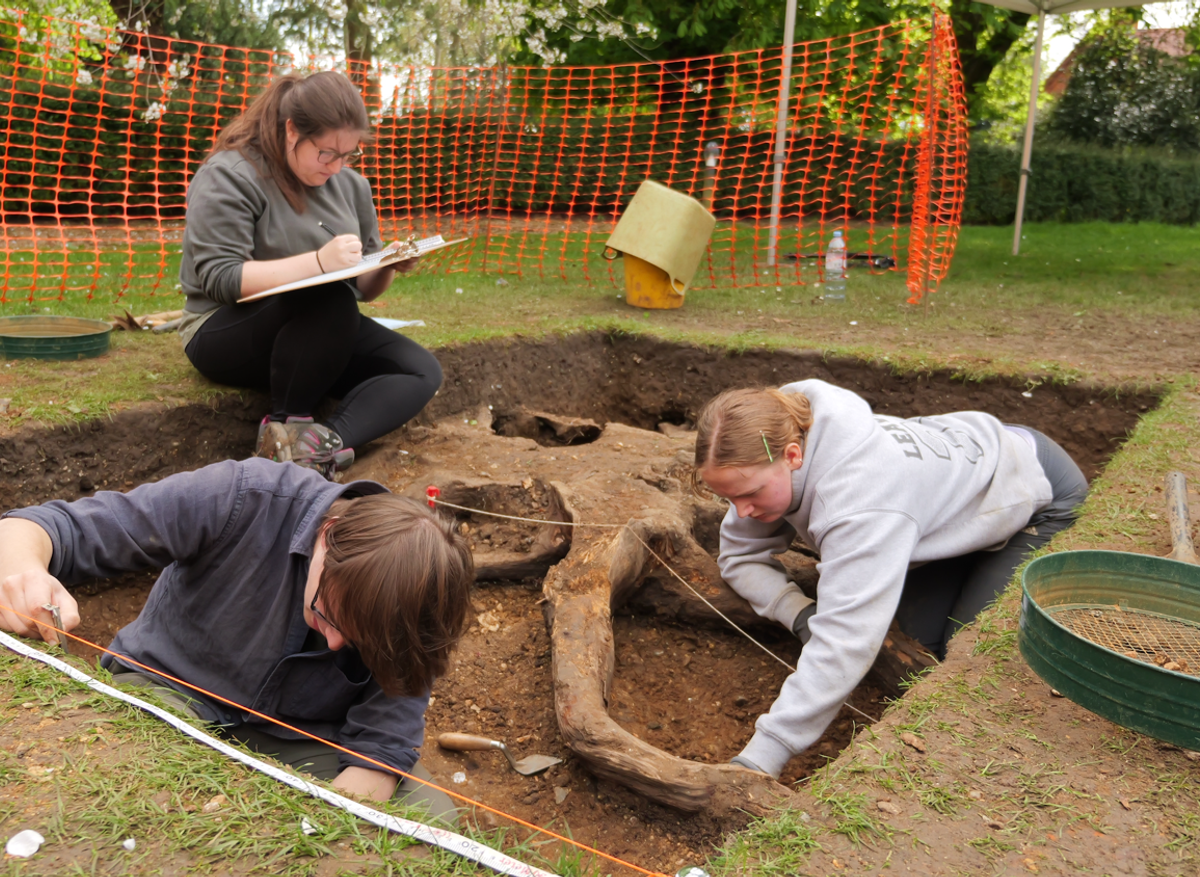
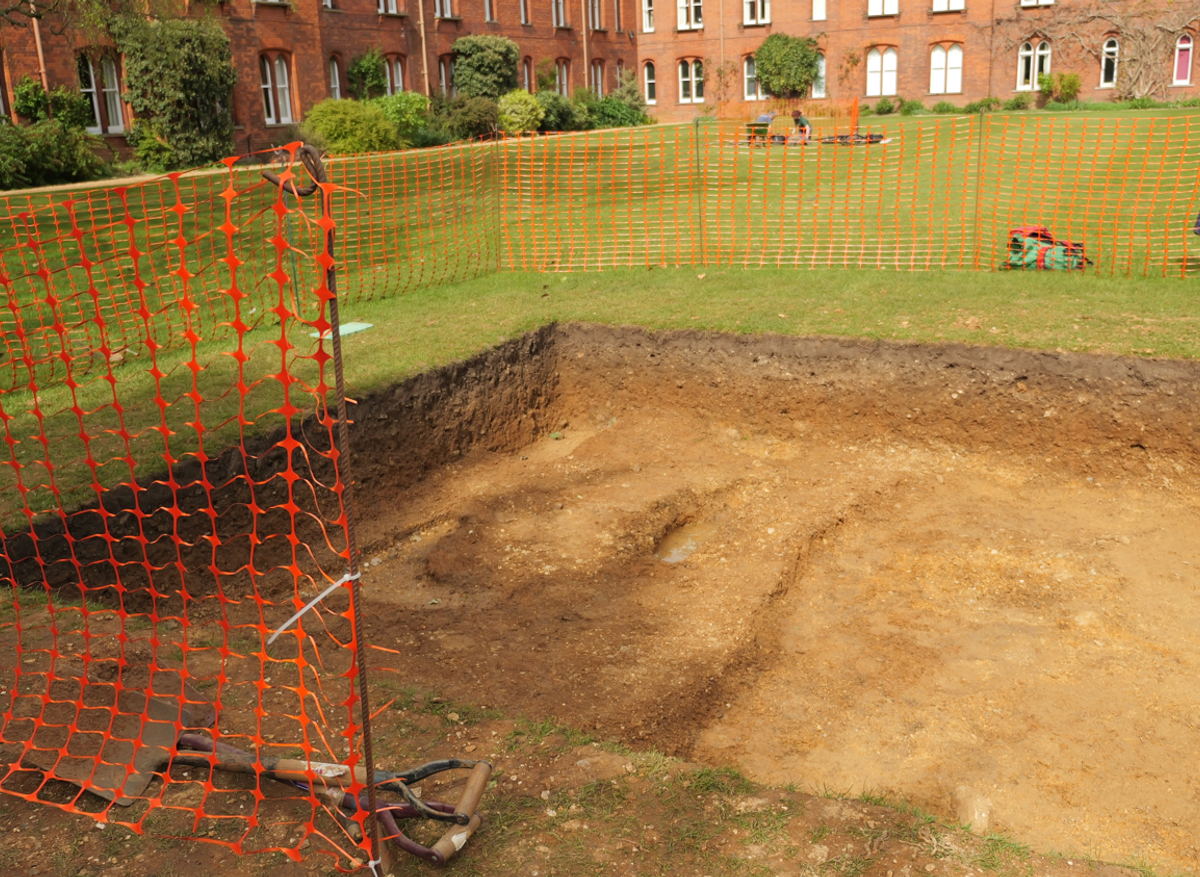
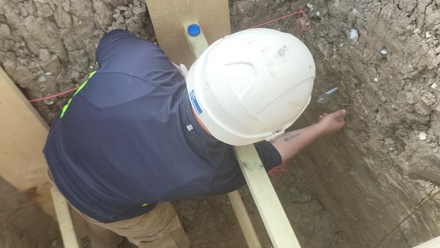
I had helped excavate some of the objects selected for our handling collection from the ground of Emily Davies Court. Two years later, the first object I catalogued fit neatly into the palm of my hand. It was a fragment of pottery, but I had found it, held it, and now I was recording it, retracing the journey of an object last touched centuries before me. It made me wonder: what does it really mean to have the past in our hands?
My internship cataloguing and facilitating a handling collection at The Lawrence Room Museum along with my final year studies here at Cambridge, has prompted me to ask essential questions for anyone working in archaeology, museums or heritage. It seems the Council for British Archaeology are also prompting their audience to consider as part of their digital event The Past in our Hands:
Whose hands exactly is the past in?
and further, how can we remove obstacles so that more members of the public can hold the past in their hands?
On this topic I am reminded of one of my professor’s responses during seminars whenever discussions of problematic classical authors turned to the familiar claim that we, as students and budding classicists, should reclaim that material as our own. He would simply ask: “who is ‘we’?” I think this question is paramount when thinking about the Past in our Hands. We must ask ourselves: Whose hands are those that typically get to handle the past? More importantly, how can we - those who work with archaeological material - broaden access to the past? While it might seem obvious, it is easy to overlook that “our” hands is not a synonym for everyone’s hands but they are typically those of archaeologists, historians and museum professionals.
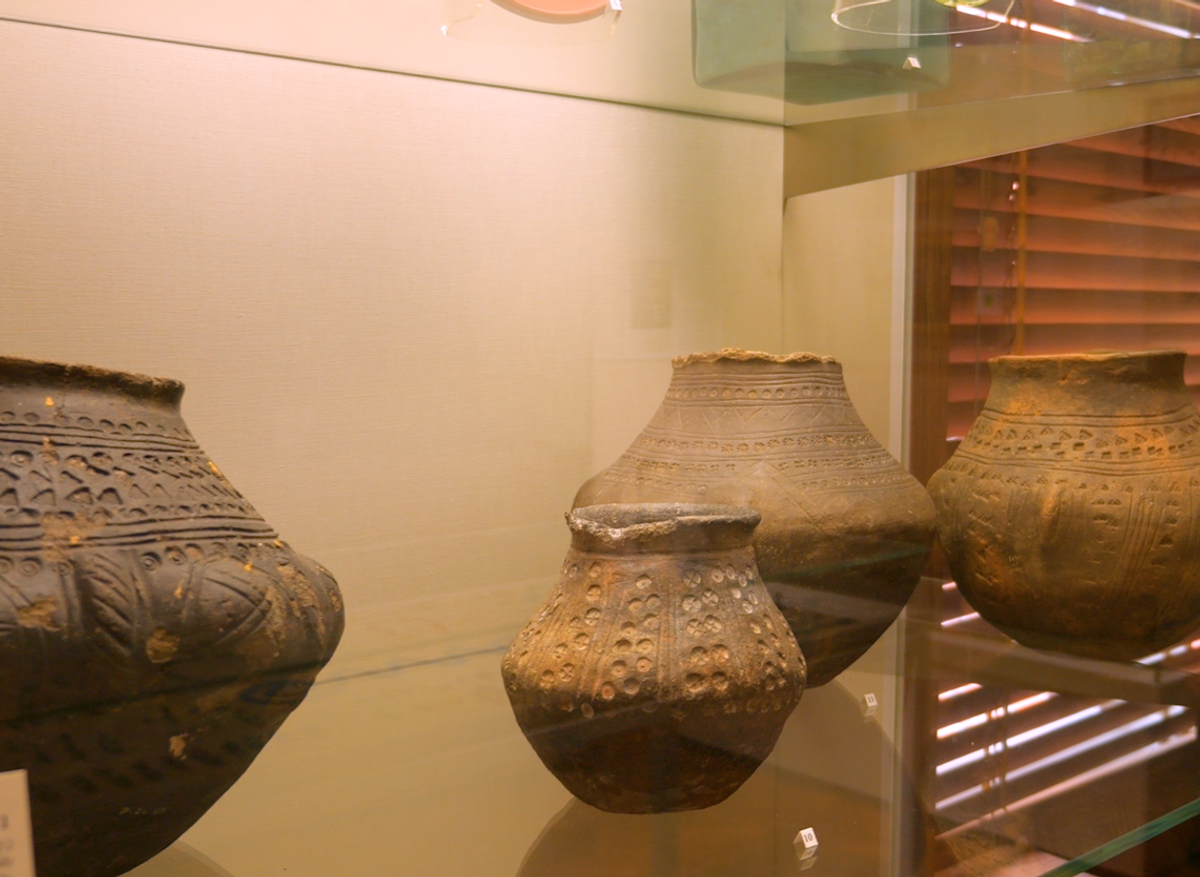
The Lawrence Room is the only College museum of antiquities at Cambridge University. It is a small but eclectic collection featuring Mediterranean and Egyptian items brought to the college since the 1890s, including the Roman portrait mummy Hermione Grammatike. It also holds a wealth of Anglo-Saxon artefacts discovered in a 19th century excavation at the college which unearthed an Anglo-Saxon cemetery on site. The handling collection is made up of selected pieces from a 2024 excavation which aimed to find remnants from the original 19th century excavation. It includes Anglo-Saxon fragments which testify to the early medieval activity in wider Cambridgeshire as well as post-medieval fragments which tell the early years of the college.
Of course, this project in no way stands alone. Countless organisations and individuals are working tirelessly to make archaeology more accessible on multiple levels. Nevertheless, I emphasise it here because I see this project as more than asking what it means for the past to be in my hands. Rather, it is rooted in the recognition of the barriers that members of the public, students, and SEND organisations can face in accessing history, and a commitment to begin to work through those barriers.
This project seems even more crucial with context. The Lawrence Room collection is housed within the walls of a Cambridge University College. We know that threshold anxiety is a huge barrier in access to archaeology and The Lawrence Room has only one entrance through a large, heavy wooden door. As removing the door is not an option available right now, or perhaps ever…a handling collection seems a prudent place to begin this journey because the resources I create around the sessions are grounded in demystifying archaeological practice and artefacts.
So, with all this said, what have I been up to so far? For the handling collection to sit alongside Lawrence Room standards as an accredited museum collection, I have catalogued 80 objects recording Description, Material, Date, Dimensions, Acquisition and Condition. These intricate details have been crucial for devising resources that will accompany and guide the handling sessions. The details of individual artefacts and patterns within the collection lead how I plan the sessions our Lawrence Room curators will lead. Storytelling seems to me to be a productive tool from which to shape the resources that school groups use to interact with the collection. I hope that asking school groups to use their imagination to weave a narrative around an object as they handle it will create a tangible link to the past.
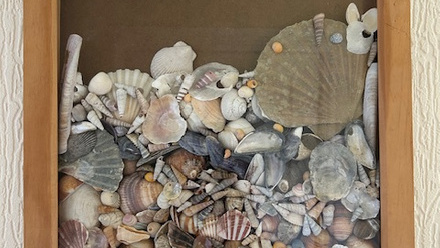
Two oyster shells I catalogued inspired this storytelling approach. Along with the Anglo-Saxon pottery in the 2024 excavation, we also found oyster shells, associated fragments from an iron belt buckle and various animal bones! The Oyster shells in particular ask us, as archaeologists, to think about how we might present how these shells could have gotten to Girton College, especially considering the nearest beach is over 75 miles away in Felixstowe near Ipswich! I believe the oyster shells will be a productive place to start a handling session considering how I am trying to foreground access which, in this context, focuses on demystifying archaeology to a younger audience. The thing about the oyster shells is that anyone’s, visitor or student, guess as to how they got into the ground at Emily Davies Court is as good as an archaeologist’s. I think introducing that premise early on promotes a level playing field from which education and learning can be born.
In a similar vein, the two full-size Anglo-Saxon funerary urn replicas, recently commissioned by the Lawrence Room Committee and created by Potted History, allow visitors to experience objects they would otherwise only encounter behind glass. As part of the handling collection, these replicas invite visitors to feel their weight, trace the handcrafted decoration, and examine the subtle staining left by the firing process up close. These are sensory experiences that simply cannot be replicated through a museum display case. When they arrived, handling objects I had seen behind glass for four years was a genuinely exciting experience.
In other words, I have found that asking these questions myself has been the most productive way of considering what resources should accompany the handling collection. Holding that first rough pottery fragment in my hand, and later a full-size replica, prompted the same curiosity we hope to inspire in visitors. Those experiences have helped me anticipate the questions that visitors, particularly younger audiences, might ask when they hold these objects in their own hands.
My final consideration is perhaps the trickiest. I have spoken about how 'Our hands’ is never a synonym for ‘everyone’s’. We can go one step further and ask who gets to decide how people encounter the past. Does that create a hierarchy between the museum professional and the visitor, where one determines the terms on which the other experiences history?
These are questions without simple answers. If anything, they have reminded me that asking what it means to have the past in our hands through this project is more than cataloguing and marking but about the brilliant possibility of a diversity of perspectives. Every visitor brings their own experiences, memories, and questions, and each interaction with an object creates a different relationship with the past.
Perhaps that is the value of a handling collection. Not that it tells visitors what the past means, but that it gives them the opportunity to discover what it means to them.
Amelia Treasure
Amelia has recently graduated with a BA in Classics from Girton College, University of Cambridge. She is passionate about widening access to museums and archaeology and is particularly interested in interdisciplinary approaches that bring together decolonising museum theory, classics, and archaeology. She hopes to pursue further research in heritage and museum studies.