An Evening With Natural England's Archaeologists
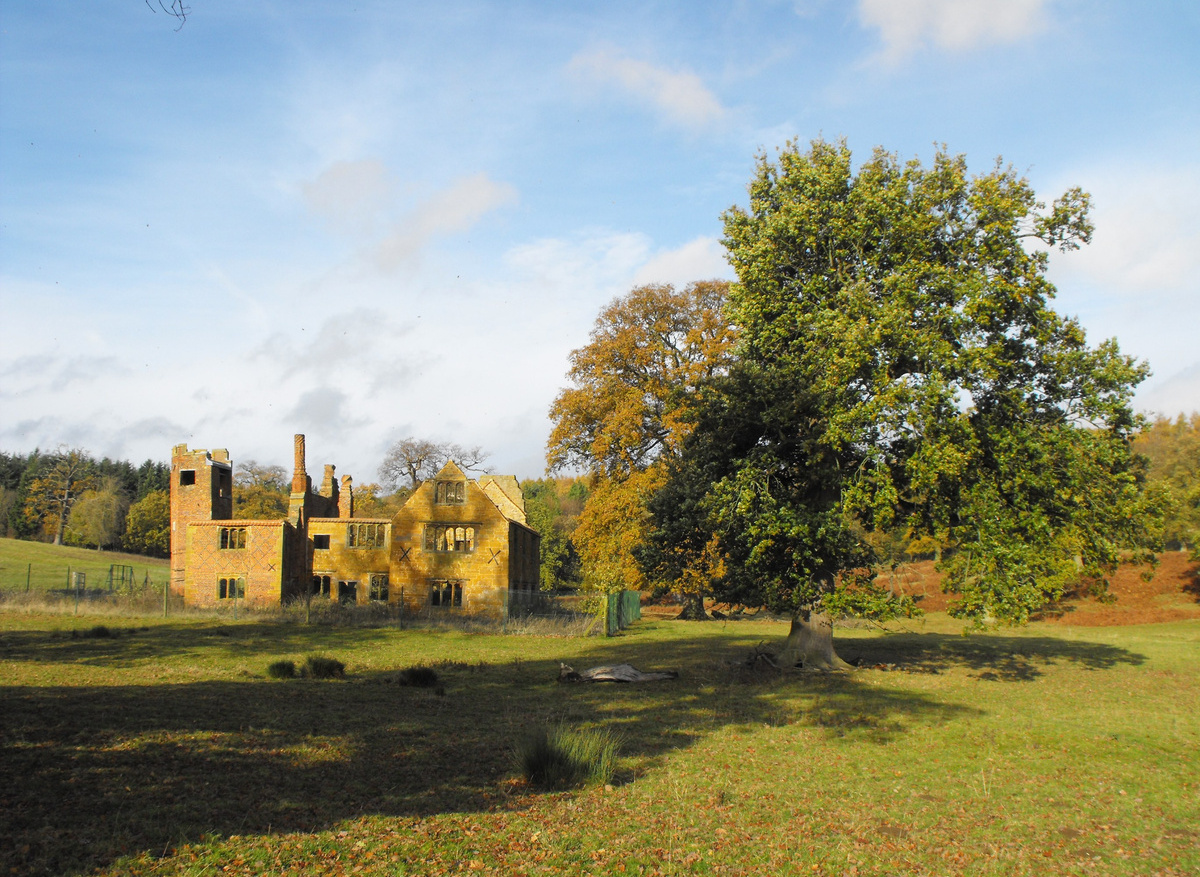
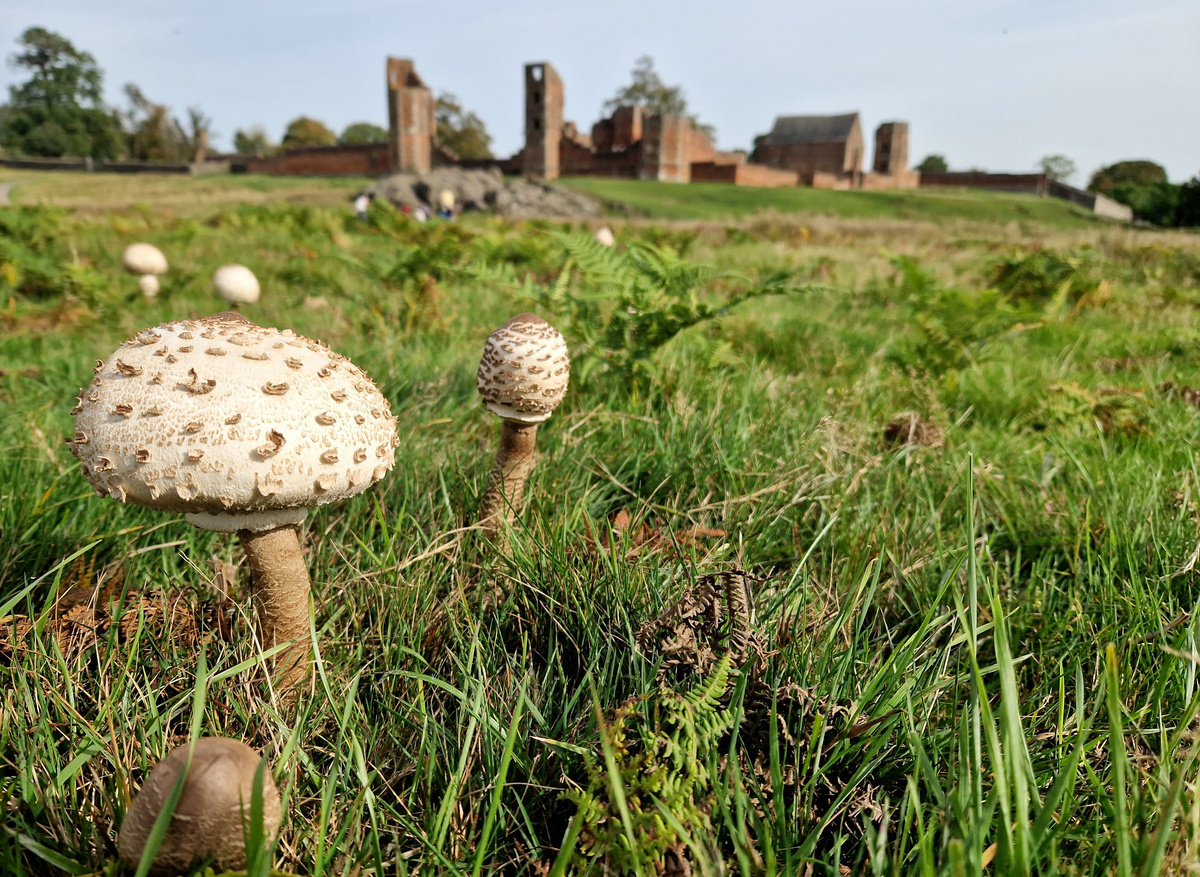
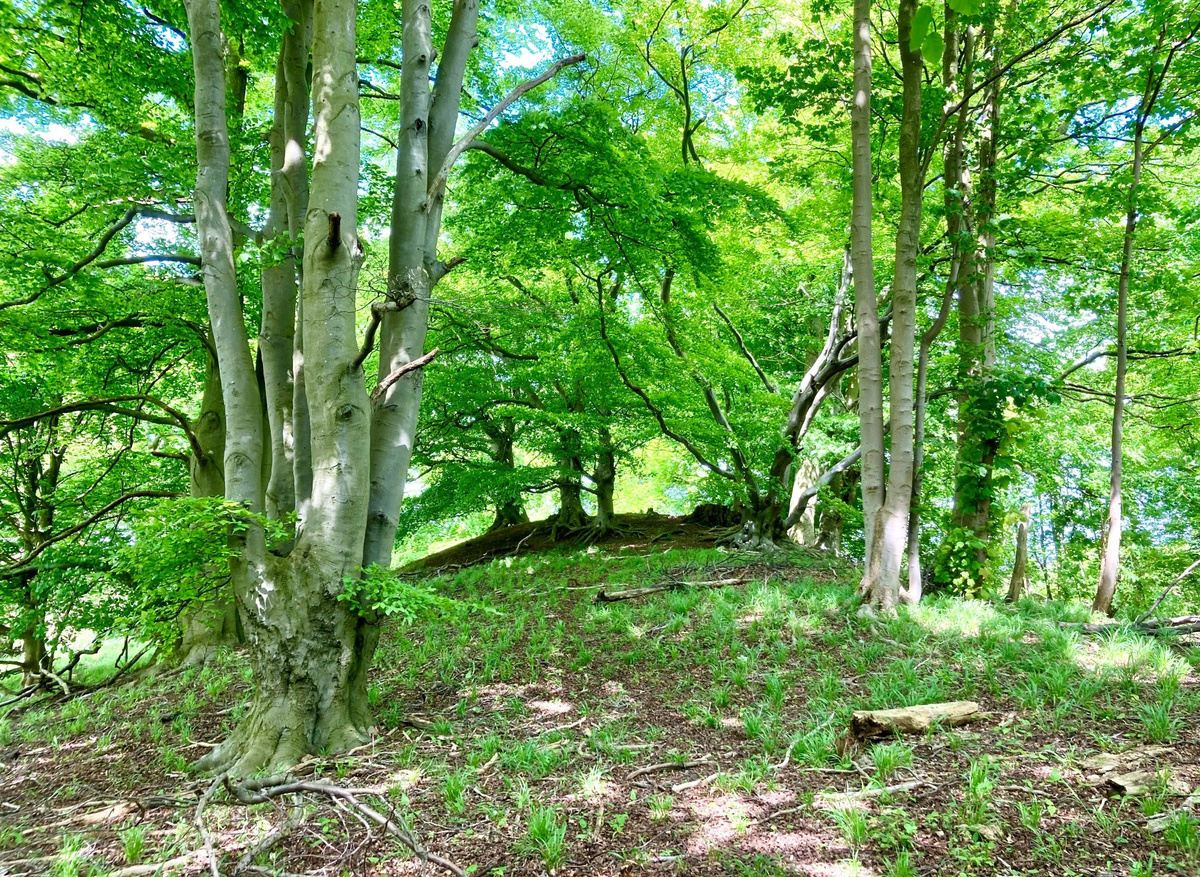
Hear from key speakers from Natural England, the Government’s nature and landscape advisor on how nature and archaeology can work together to help recover habitats and build better places. This event explores how their archaeologists are supporting nature recovery projects across England and rediscovering the hidden histories on our National Nature Reserves.
Hosted by the Clemency Cooper, CBA Trustee, and Tony Juniper, Chair of Natural England, the event features three presentations followed by questions from the audience.
This talk was recorded on Wednesday 24 June 2026.
Protecting the Past and Growing the Future in Natural England’s Farm & Land Management Advice – Rosie Cummings
Human activity has shaped our nature and landscapes for millennia, and today the countryside preserves evidence of our shared history. For over 30 years Government-funded environmental land management schemes have been a crucial tool to help farmers protect and enhance nature and rural heritage. Much of England’s archaeology can be found on farmland, with 78% of Scheduled Monuments and 67% of Registered Parks and Gardens situated on farmland. But these protected sites represent only a fraction of the nation’s cultural heritage, with many thousands of other archaeological features recorded across Britain’s countryside. In this talk we’ll explore examples of how Natural England’s advisors and our partners help farmers to protect archaeology and heritage sites, and the benefits this brings for nature and people.
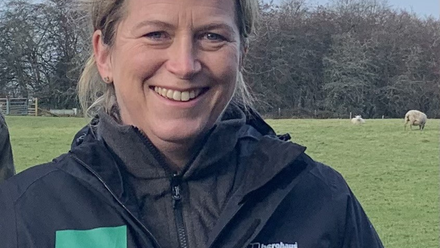
Rosie Cummings leads a national team of historic environment specialists that work to support Natural England’s Area Teams in delivering integrated nature recovery for growth, health and security. Rosie works across the full breadth of Natural England’s work, with a particular focus on Environmental Land Management Schemes. Before joining Natural England, Rosie worked as City and District Archaeologist for Canterbury Council alongside teaching archaeological field-schools and undertaking consultancy.
Hidden Histories of National Nature Reserves – Hannah Rigden
National Nature Reserves (NNRs) were established to protect some of our most important habitats, species and geology, and to provide ‘outdoor laboratories’ for research. Natural England’s NNRs are open to the public to connect with nature and be inspired by our fantastic wildlife, habitats, geology and landscapes. On our NNRs the historic environment includes individual features such as historic buildings and upstanding archaeological monuments, but also historic landscapes such as commons, former military complexes and industrial sites. They also feature historic land use patterns like old coppice and pollards, and field boundaries and patterns. While there is no archaeological feature or monument type unique to NNRs, the pattern of previous land use has left a wide range of features, such as a common with a history of grazing, mineral exploitation and military use. The NNR network continues to grow, building on 70 years of declarations, with the King’s Series of National Nature Reserves created to celebrate the Coronation of King Charles III, and highlight the elevated ambition for nature recovery in England.
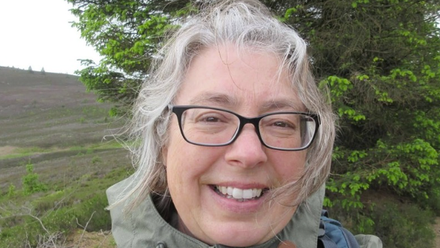
Hannah Rigden is an ecologist with 30 years working in nature recovery on historical and archaeological sites all over the country. She has a background in nature reserve management and teaching before moving to Natural England where she has worked on agri environment schemes, access to nature, NNR management and SSSI monitoring, latterly specialising in Historic parkland restoration. Now in the Strategy team she leads Natural England’s work on living and industrial heritage, and the cultural value of ancient and veteran trees.
Managing England’s Battlefields for People, Nature, and Heritage – Ian Marshman
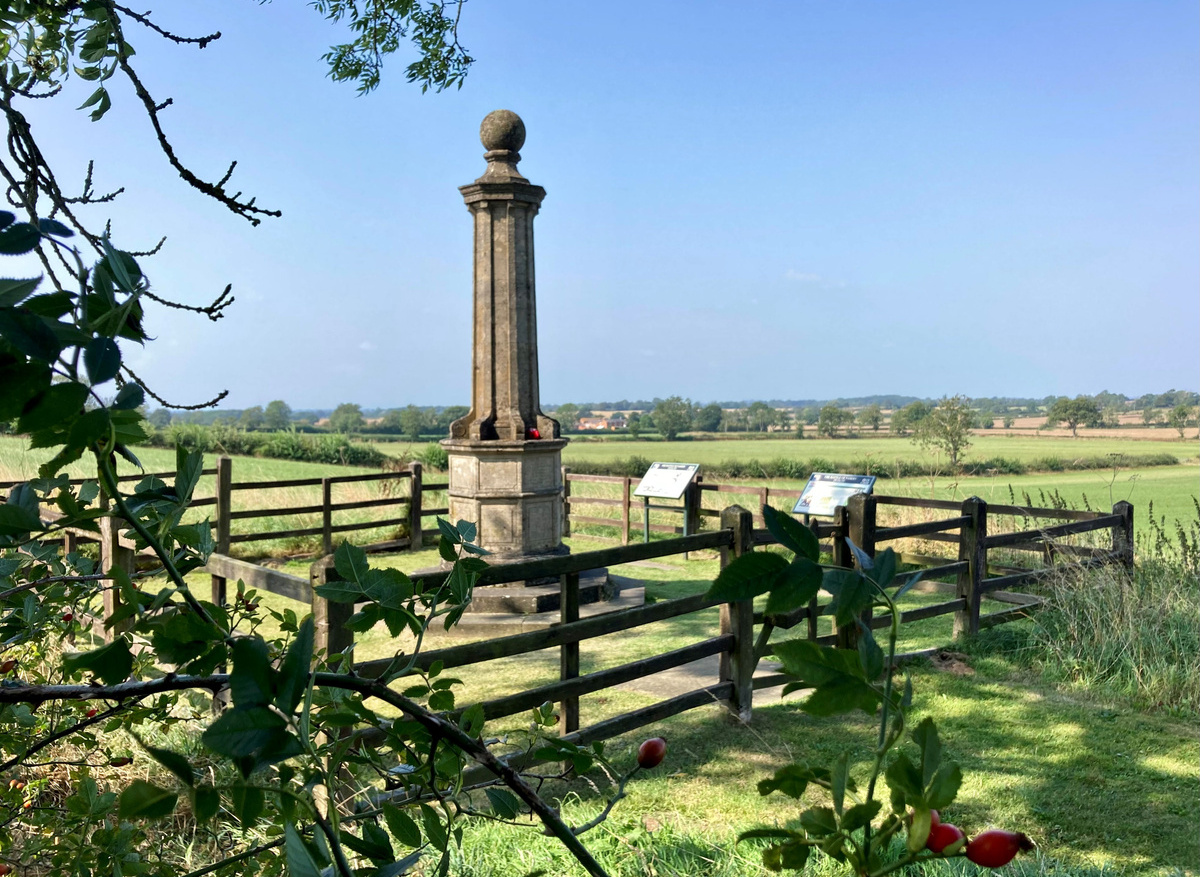
Battlefields are landscapes where matters of life and death and the course of history were directly affected by natural features like rivers, hills and forests. They can preserve precious and fragile archaeological evidence and be places of communal value featuring memorials that continue to be places of reflection and a focus for remembrance. To mark 30 years since the first Registered Battlefields were designated in 1995, Natural England has been working with Historic England, Forestry Commission, and the Battlefields Trust to reflect on our experiences working with the farmers and communities who care for these sites. In this talk we’ll explore examples from our new publication “Managing Registered Battlefields” to see how these special parts of England’s landscape can deliver more for people, nature and heritage.
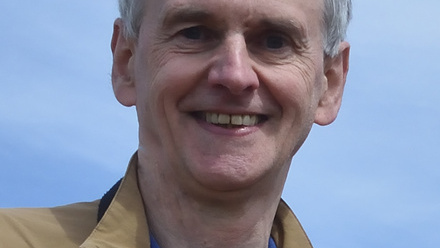
Ian Marshman has a national role providing specialist support to Natural England’s Area Teams to help them integrate the historic environment in the delivery of our work to recover nature for growth, health and security. This focuses on the delivery of Environmental Land Management Schemes like Countryside Stewardship Higher Tier and Landscape Recovery. These schemes pay farmers and land managers to deliver public goods, such as creating new habitats, storing carbon, protecting heritage, and improving public access. Prior to joining Natural England, he worked for Lincolnshire County Council as a Historic Environment Officer giving advice on planning applications and acting as lead for countryside issues. He has also worked as a community archaeologist for the Heritage Trust of Lincolnshire, engaging people of all ages with local heritage, and helping to manage their six historic sites.