Transferable archaeological skills: Counting water vole poo by the river
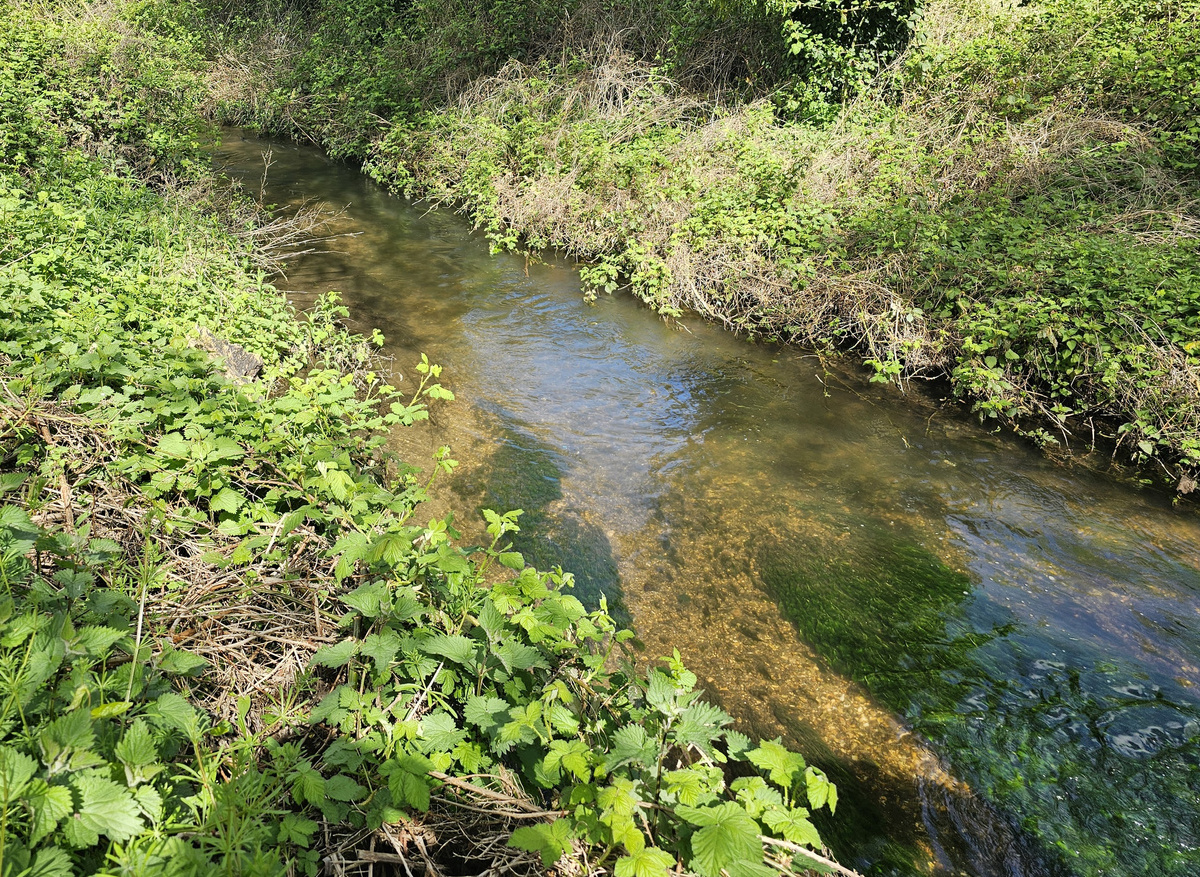
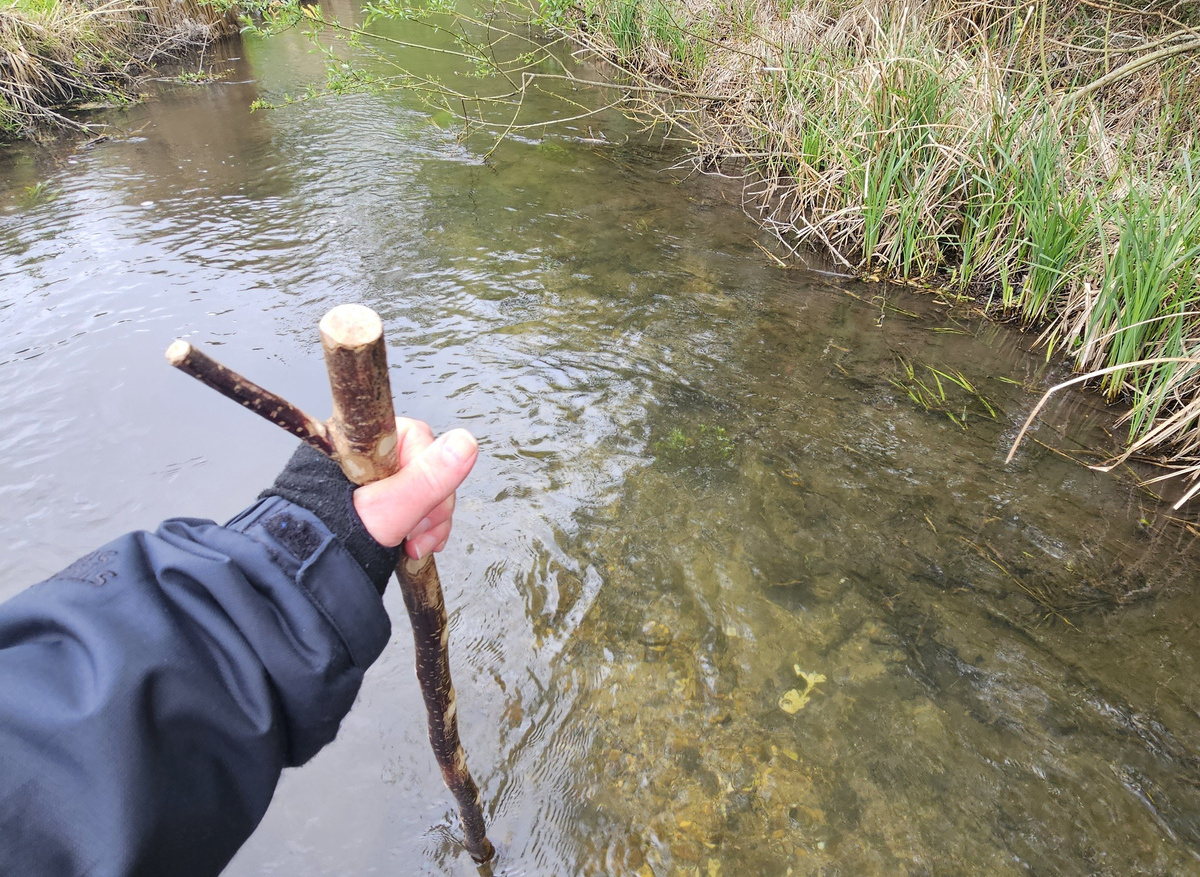
For most of the time, I look at Iron Age gold torcs, but for the last couple of years, I have also been volunteering with the Ver Valley Society in St Albans, and for the last six months I have been working with them as a water vole surveyor. So when I saw the Festival of Archaeology this year had the theme of ‘nature’, I immediately knew what I wanted to write about!
The Ver Valley Society is an voluntary organization that helps raise awareness, and looks after, the River Ver in Hertfordshire: the organisation is celebrating its 50th year in 2026. From lectures and walks, through to practical volunteering days and events, there is much that people can take part in. For me recently, that’s been as a water vole surveyor.
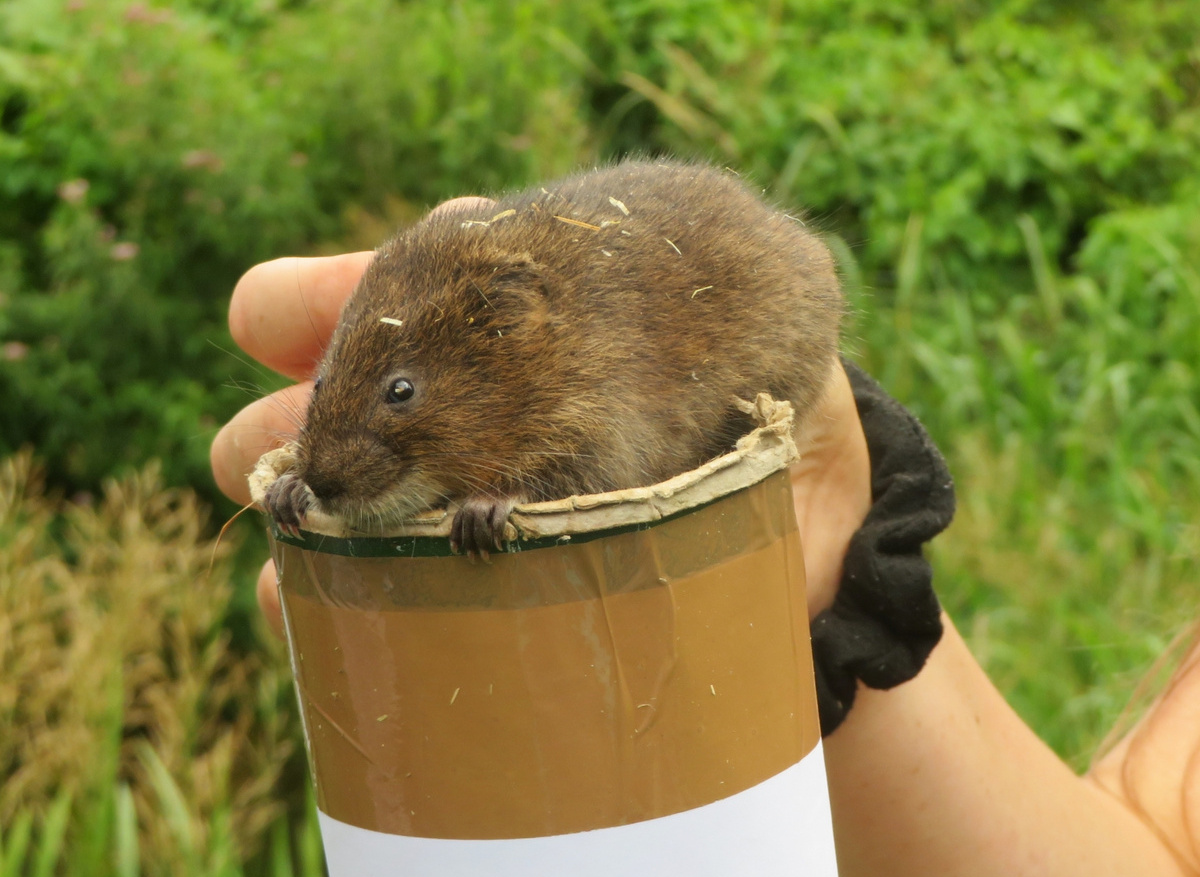
Water voles, despite their origins in the deep prehistory of Britain (water voles are recorded from Palaeolithic times) have, for various reasons, in recent years largely disappeared from the rivers of southern England. To try to help abate this there have been several re-introductions and, in 2021, the Herts and Middlesex Wildlife Trust and Ver Valley Society released 150 water voles into the River Ver with the aim of re-establishing this key wetland ecosystem mammal in this part of Hertfordshire. Following on from the release, the Ver Valley Society and others have undertaken to keep an eye on, and record, the voles as their population grows and spreads away from the original release sites: and that’s how I ended up spending a few hours a week standing on a bank of the River Ver, counting poo!!
So what has this got to do with archaeology? At first glance, not a lot: looking for traces of small furry critters in rivers is hardly an archaeological pursuit, even if that river runs through Verulamium, one of the most famous Roman towns in Britain. But there is a connection.
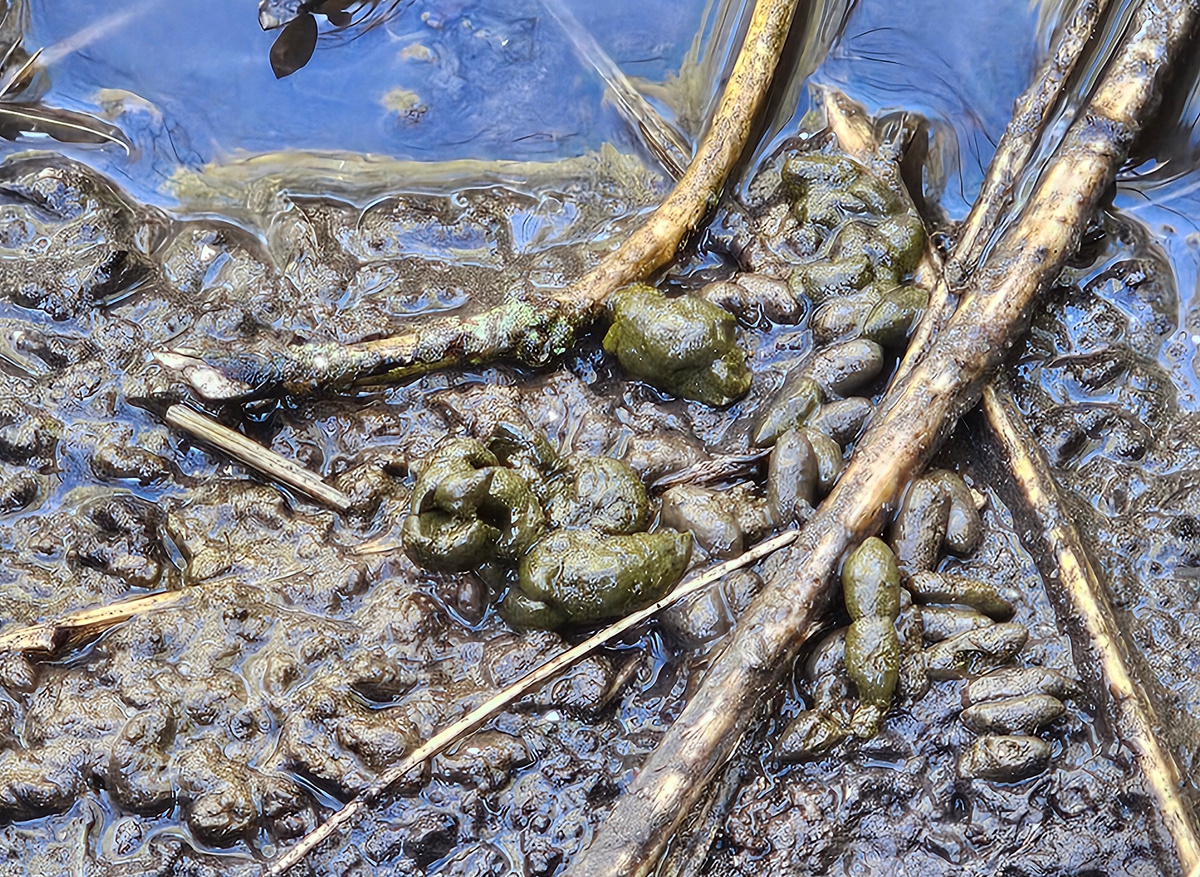
Water vole survey involves a team of surveyors: two wading in the river, and one on the bank recording. The survey itself uses a lot of skills archaeologists will find familiar: looking for evidence of altered environments - in this case a river bank - be that burrows, lawns (water voles often create their own little patio outside their burrows), feeding stations (little piles of reed etc. carefully nibbled and then discarded with tell-tale 45° angled cut ends) or latrines (water voles tend to like poo-ing in the same place so you get little piles of dark green tic-tac sized droppings). All the above can be recent, or old, and all need recording.
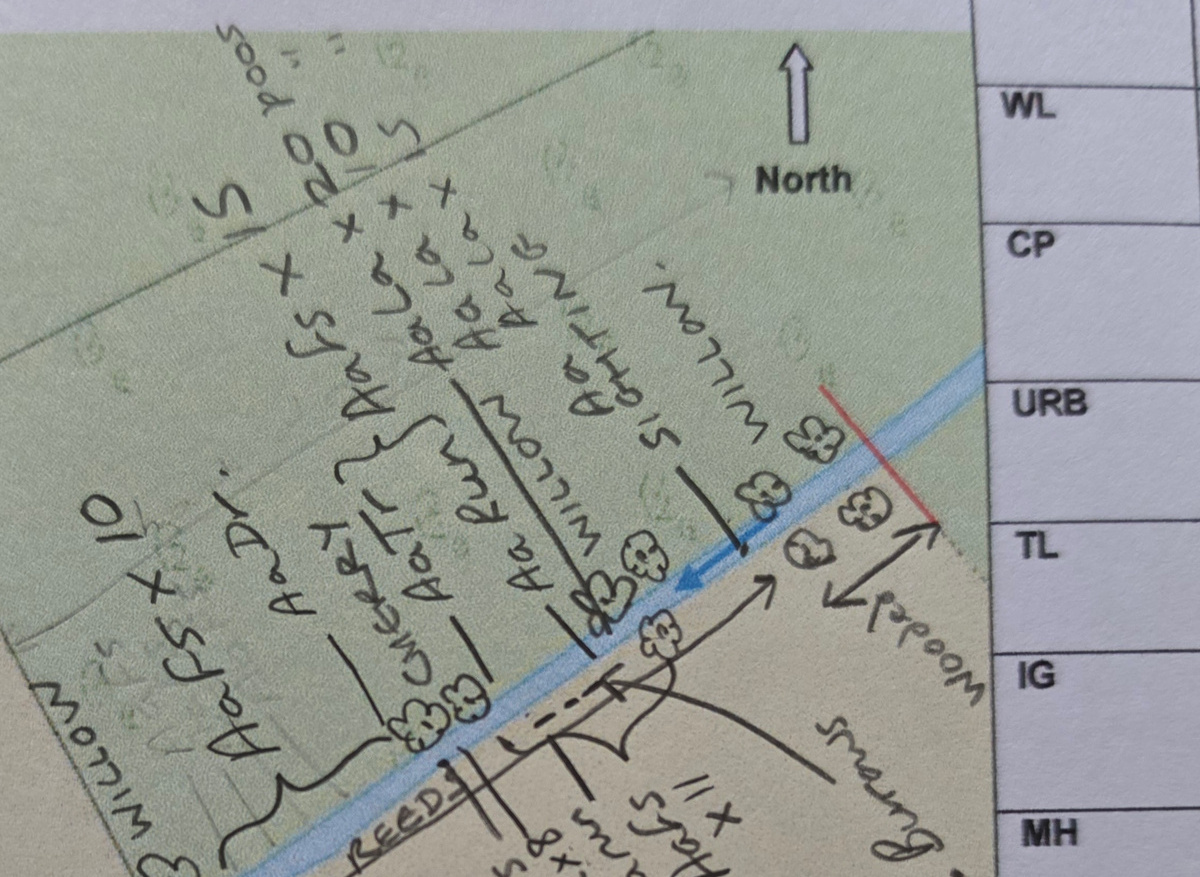
Like archaeology, we’re looking for the signs that the voles have left behind, either recently, or in the past. The recording form comprises a map, with various codes to record different types of vegetation, animal species, vole evidence type etc: all this needs adding to the map by the recorder. By the end of the survey (which usually takes in 150-200 metres of river, over a 1-2 hour period) if you're in vole territory, you will have a lovely map covered with vole evidence letter codes and lots of pretty symbols for trees, reeds, etc. A lot like a site plan or a context sheet.
As such, there’s a lot of archaeological transferable skills going on here: orientation and reading of maps, the creation of plans, the use of symbols to annotate, plotting distributions, etc. In fact, that was the reason why I got given the task of recorder. In the words of one of our group organisers: “you’re an archaeologist, you like maps: this will be right up your street!”.
Once you get your eye in it’s a bit like field walking or feature spotting: we’re looking for tell-tale differences in texture or colour, deposits, changes in vegetation on the river bank or (vole) excavated features. Then you start seeing patterns: we’ve noticed on the Ver how burrows tend to occur on the opposite bank from feeding stations and latrines: like tiny spaced out voley-versions of the Must Farm settlement in Cambridgeshire - but on the banks of the River Ver!
Again similar to archaeology, as water voles are shy, we rarely see the creatures that created this occupation evidence: although I’ve been lucky enough to spot the furry bottom of a vole disappearing into the river (with their signature 'plop!' sound) recently, most surveyors I’ve worked with have never seen a vole despite several years surveying! I’ve walked the River Ver for many years, but without knowing where to look and what to look for, had never known about the successful water vole community living right under my nose. But our surveys detailing and mapping their signs have shown that they are there, carrying on their day to day life, as we carry on ours: and currently they are all along the river, up to six miles away from where they were first released in 2021. What a fabulous success story!
So nowadays - like any good archaeologist when out for a walk - instead of peering at mole hills for finds, I’m peering at river banks, looking for tiny green poos! ;-)

Tess Machling
When not water vole surveying, Tess is a researcher specialising in Iron Age gold. Her website The Big Book of Torcs www.bigbookoftorcs.com is free to read.