A Day in Life of an Archaeologist-Working at Dunluce Castle
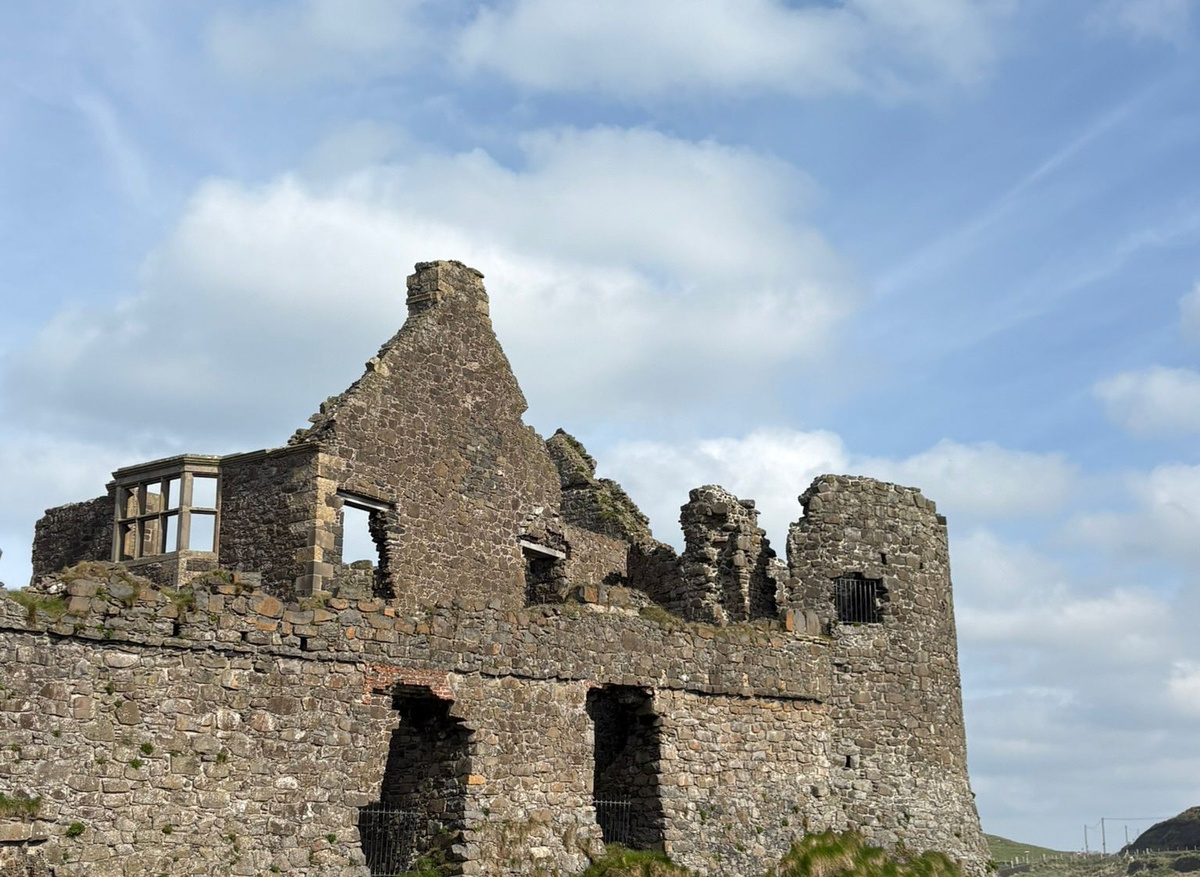
As a state care archaeologist with the Historic Environment Division (HED) in Northern Ireland, no two days are the same. My role mainly involves helping to protect, conserve and better understand some of Northern Ireland’s most impressive historic monuments, one of the sites in my care is Dunluce Castle, perched on a cliff on the North Antrim coast. Working at such an iconic site is both a privilege and a challenge, particularly when conservation projects give us the opportunity to bring elements of the past back to life.
Dunluce Castle is constantly exposed to the elements, enduring strong winds, heavy rain, salt laden sea spray and changing temperatures throughout the year. While these environmental conditions contribute to the castle’s dramatic beauty, they also have a significant impact on the survival of its historic fabric. As a result, conservation and maintenance are ongoing priorities, ensuring the site remains protected for future generations.
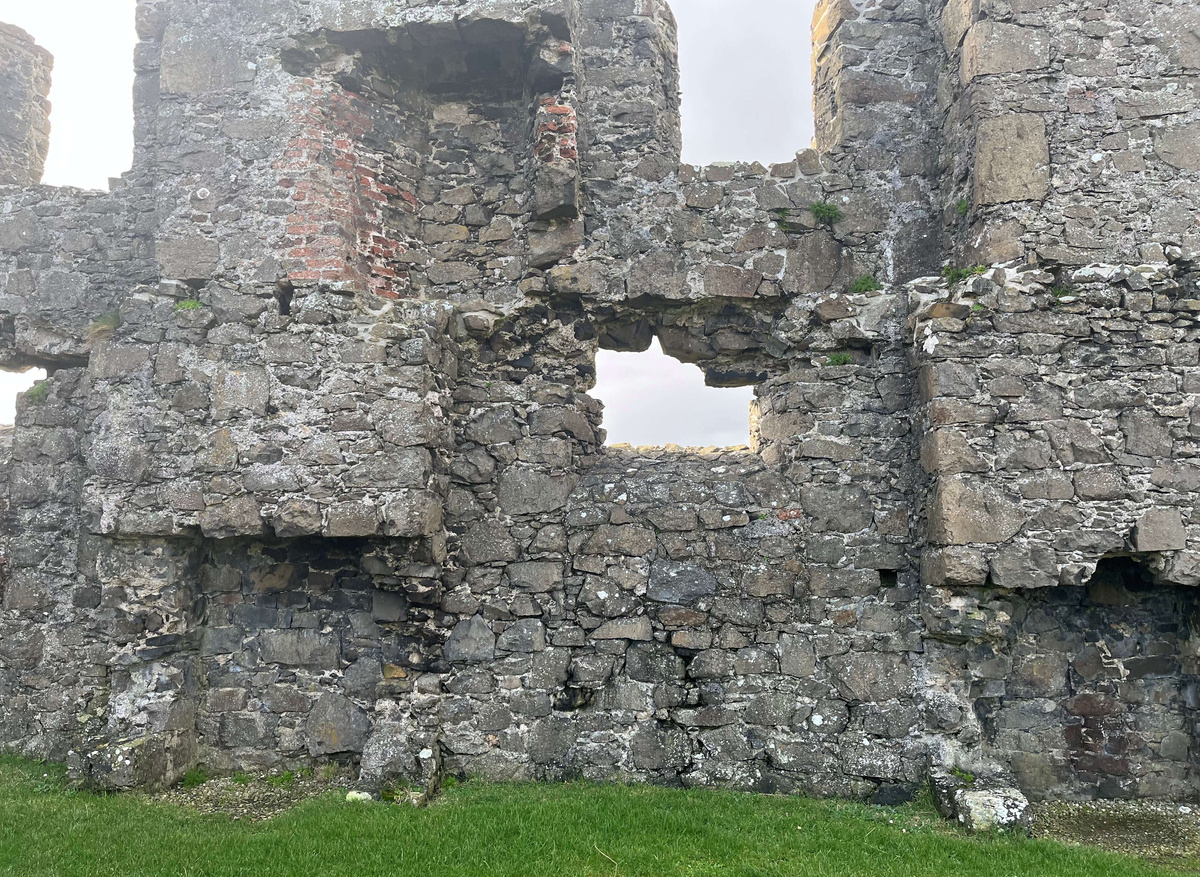
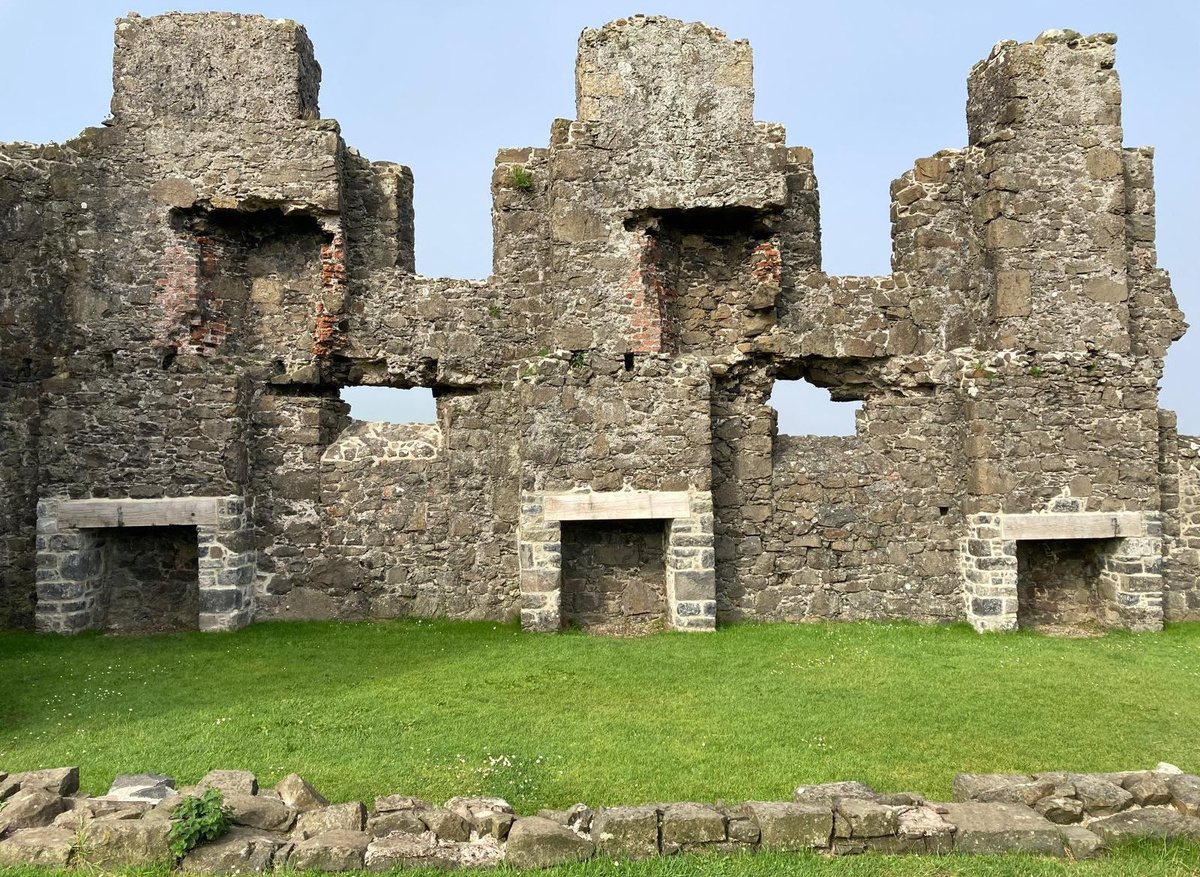
Recently, I have been working alongside the Conservation Works Team (CWT) on a project to restore three fireplaces within the castle’s lodgings. These fireplaces were once the central features within the building, providing warmth, light and a focal point for everyday life. Today, however, centuries of exposure to the harsh coastal environment have left the fireplaces weathered, damaged and in need of careful consideration.
The first stage of the project involved examining the surviving remains of the fireplaces to better understand how they were originally built. This in an important part of archaeological and conservation work. Historic structures often contain valuable evidence within their fabric and by studying the surviving stonework and mortar we can learn more about original construction techniques and later repairs.
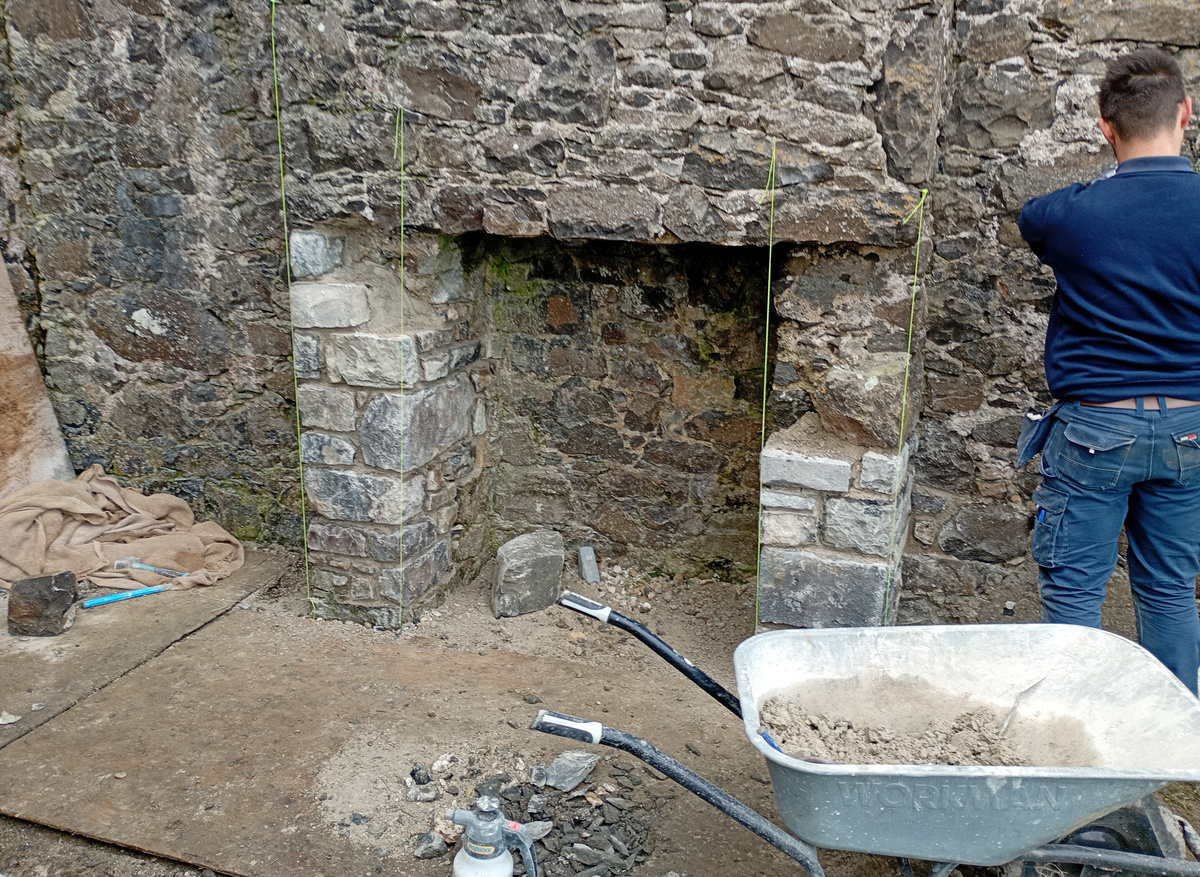
Once we had analysed the surviving features, we began planning the reconstruction work. Our goal was not to create a modern interpretation, but rather to stabilise and restore the fireplaces in a way that respected their historical significance. This involved selecting suitable replacement stone that closely matched the original material in both appearance and character. Although newly introduced stone can initially stand out, it will gradually weather and blend naturally with the surrounding historic masonry over time.
An equally important aspect of the project was the mortar used in the reconstruction. We chose lime mortar throughout the works, which is particularly suitable for historic buildings as it is breathable and flexible, allowing moisture to move through the structure and evaporate naturally. This is especially important at Dunluce Castle, where constant exposure to moisture and salt can cause significant damage if repairs are carried out using inappropriate materials.
One of the most rewarding aspects of this project has been seeing the fireplaces gradually take shape once again. Features that were previously fragmented and difficult to interpret can now be better understood by visitors exploring the castle. The restored fireplaces help bring these rooms to life, offering a glimpse into the daily routines of those who once inhabited the castle and enhancing our underrating of how these spaces originally functioned.
If you would like to find out more about the work of the Historic Environment Division in Northern Ireland visit our links below:
• Standards and Guidance and Archaeological Archives videos
https://www.communities-ni.gov.uk/publications/guidance-practitioners-archaeology-northern-ireland
• Love Heritage newsletter and socials https://confirmsubscription.com/h/d/079FA3D572DB0718
• Archaeology 2030 working groups
Archaeology2030@communities-ni.gov.uk
https://archaeology2030.org/