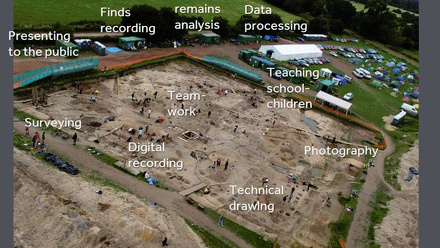
A Day in the Life of an Archaeologist: Caring for Northern Ireland’s Archaeological Collections
When people think of archaeology, they often imagine excavations and discoveries in the field. While excavation is an important part of the process, a huge amount of work happens long after artefacts leave the ground. As an archaeologist working with the Historic Environment Record of Northern Ireland’s artefact collections, my role is to help protect, preserve and promote our shared heritage for future generations.
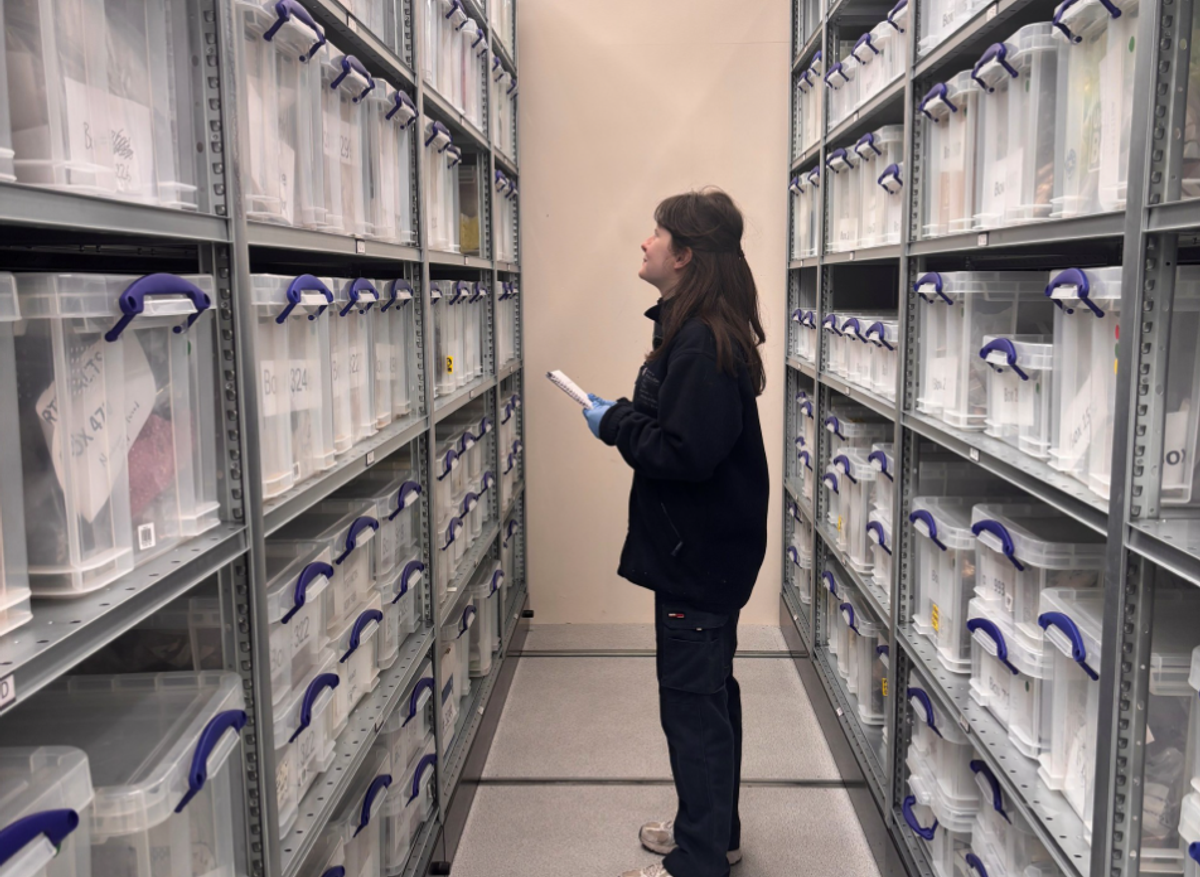
My day begins by collecting a work placement student from Queen’s University Belfast, who is spending time with us to gain experience in collections management and archaeological curation. We then drive to our artefact store, where thousands of archaeological objects from across Northern Ireland are carefully housed.
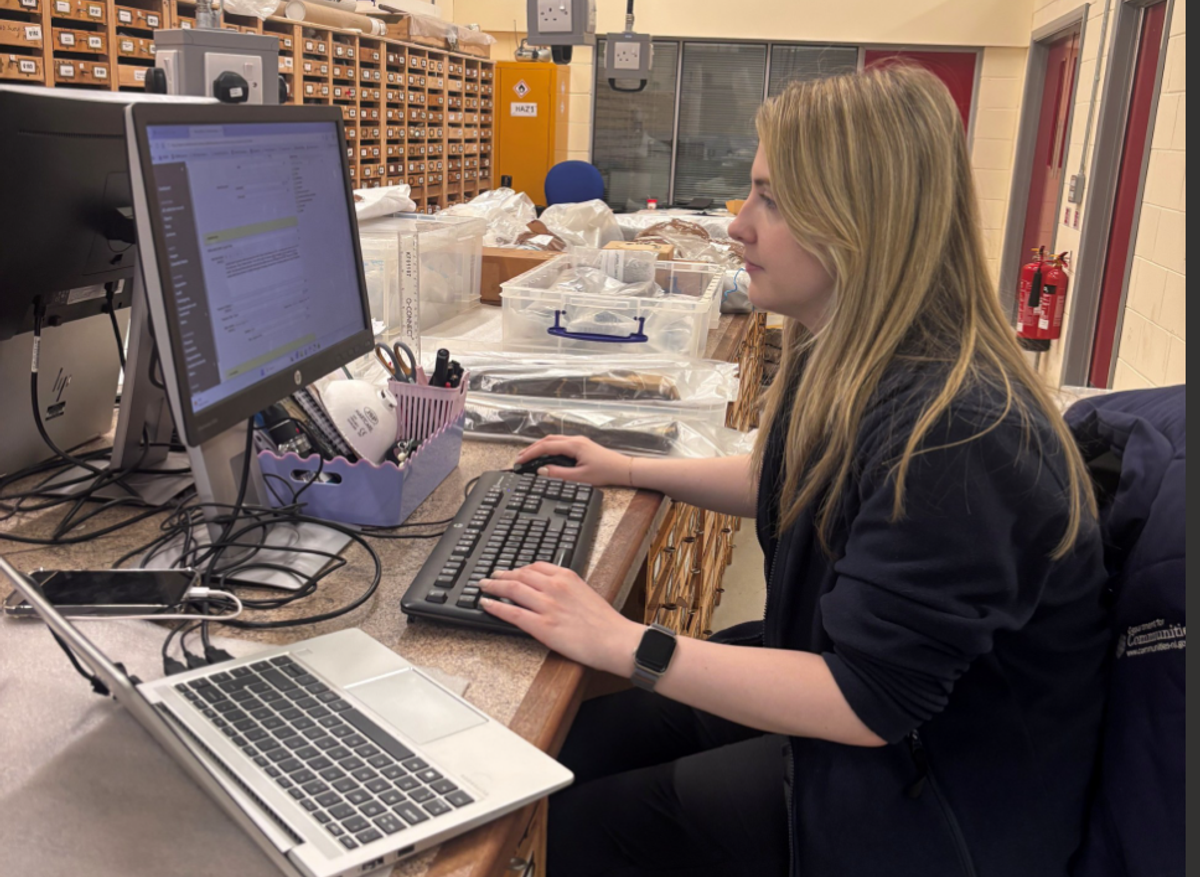
After arriving, I spend some time checking emails and dealing with any desktop-based tasks before the practical work begins. Recently, a specialist review of our archaeological wood collection was completed, and we are now implementing a series of recommendations relating to the storage and long-term care of these important artefacts.
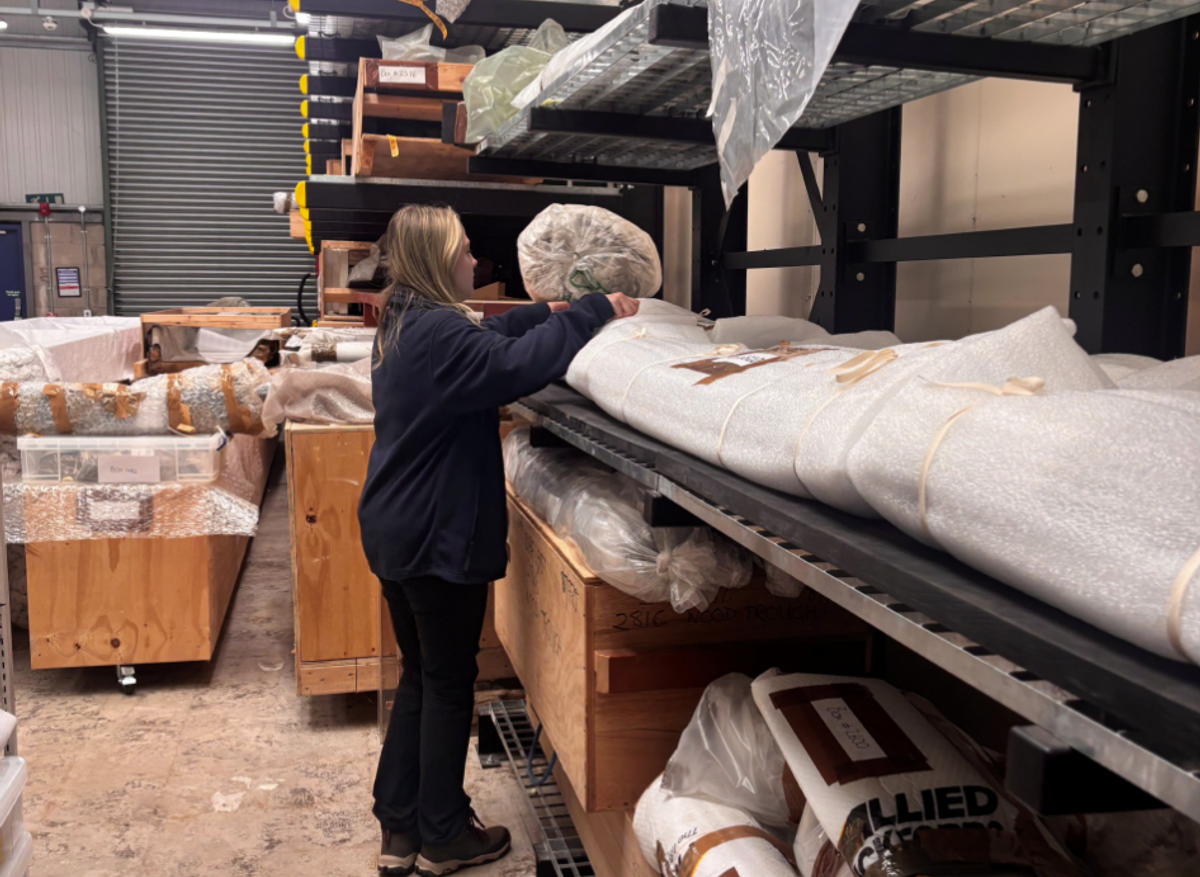
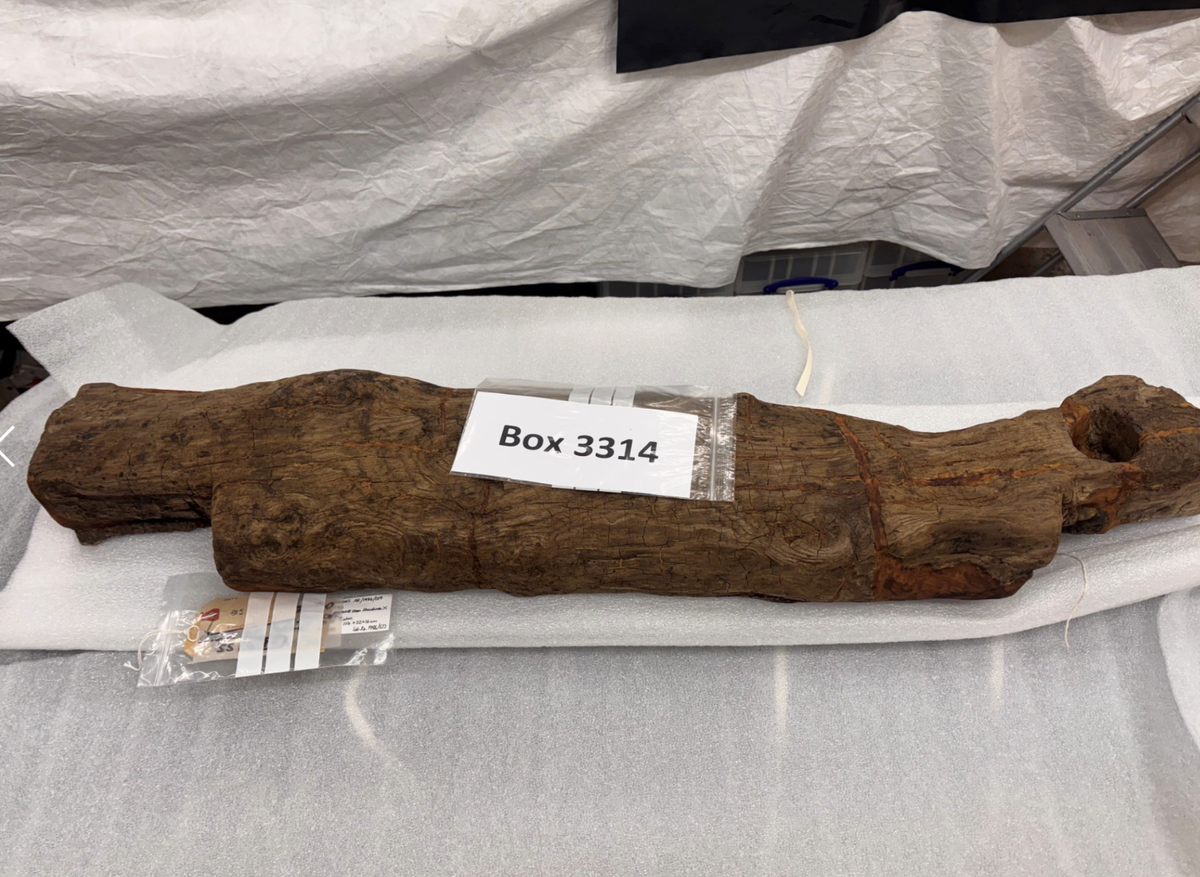
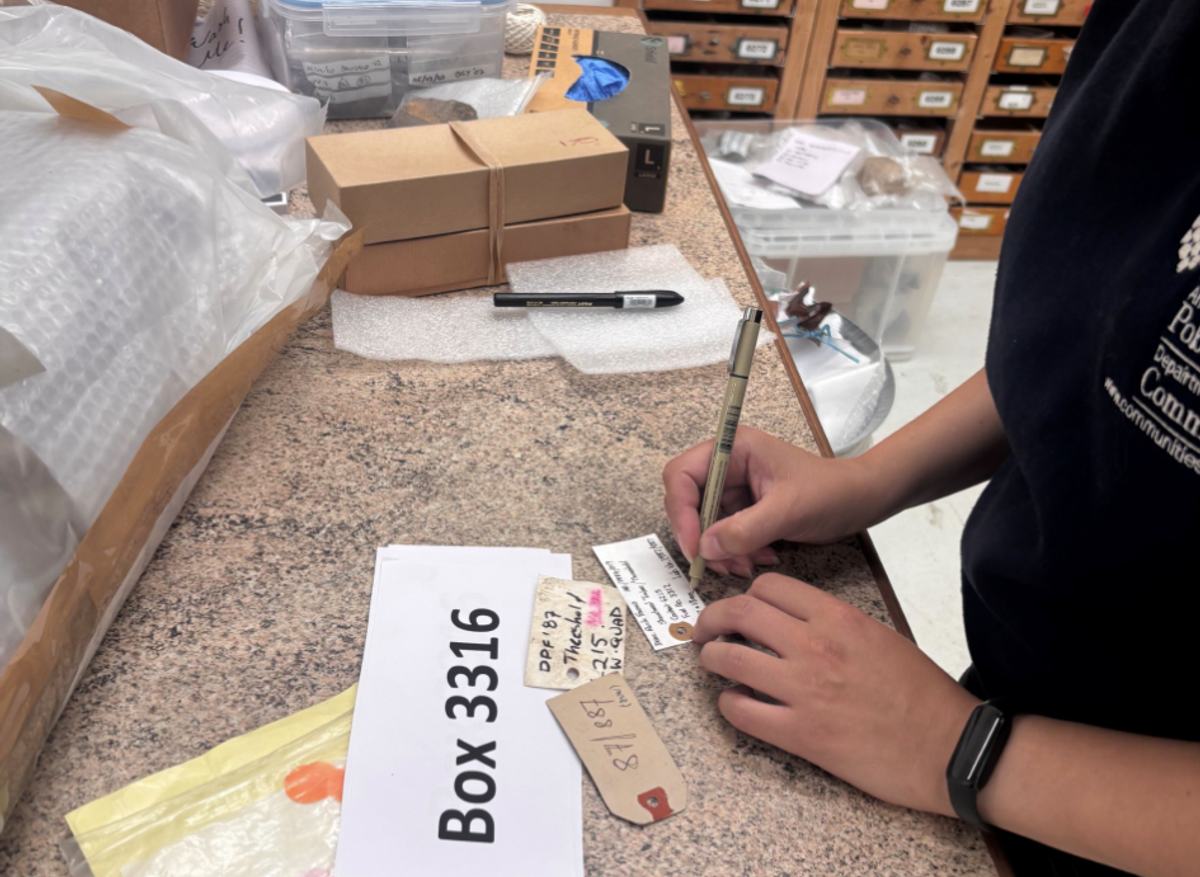
A significant part of the day is dedicated to repackaging a collection of thresholds and slotted beams with associated wooden wedges and planks from the famous Deer Park Farms excavation. These waterlogged wooden objects provide valuable insights into medieval life and woodworking practices.
As each artefact is handled, our team carefully take measurements, retain any original labels and documentation, and examine excavation records. Part of this process involves matching the wood to their excavation contexts and checking these against published reports to ensure our records remain accurate and complete.
All of this information is then entered into our collections management system, to be searched and accessed digitally. Clear documentation is just as important as good storage when it comes to preserving collections.
After a well-earned break, attention turns to a research enquiry from a PhD student interested in archaeological textiles. Supporting research accessibility is a key aspect of our job, so we pull boxes from our roller-racking system to check exactly what material we hold that may be relevant to their project. Once we have confirmed what is available, we contact the researcher with details of the collection.
The afternoon is spent preparing conservation grade materials for further repackaging work. This involves carefully measuring and cutting supports to ensure artefacts are stored safely for the long term.
As the Deer Park Farms material is rehoused, we also identify suitable shelving locations within the store and update our database so that each item can be located quickly and efficiently in the future. Accurate location records are essential for managing large archaeological collections.
Alongside the practical work, we spend some time researching the possible function and use of the wooden beams. This often involves a combination of detective work and matching artefacts with their excavation records.
The day finishes with more repackaging, tidying the workspace and preparing tasks for the following day. Before heading home, I return the work placement student to the university after what has hopefully been an informative and rewarding day.
While every day is different, much of my work revolves around ensuring that archaeological collections remain accessible, well-documented and properly cared for. By preserving these artefacts today, we help ensure that future generations can continue to study, learn from and enjoy Northern Ireland’s rich archaeological heritage.
Contact Maia Giles: Maia.Giles@communities-ni.gov.uk
If you would like to find out more about the work of the Historic Environment Division in Northern Ireland visit our links below:
• Standards and Guidance and Archaeological Archives videos
https://www.communities-ni.gov.uk/publications/guidance-practitioners-archaeology-northern-ireland
• Historic Environment Record of Northern Ireland (HERoNI)
https://www.communities-ni.gov.uk/topics/historic-environment-record-northern-ireland-heroni
• Love Heritage newsletter and socials
https://confirmsubscription.com/h/d/079FA3D572DB0718
• Archaeology 2030 working groups
Archaeology2030@communities-ni.gov.uk
Maia Giles
Maia Giles is a 2022 Archaeology Palaeoecology and 2023 Masters of Research graduate of Queens University Belfast, with an interest in Neolithic stone tools. She currently works as a Curatorial Archaeologist for the Historic Environment Division in Northern Ireland caring for their artefact collection and enhancing it to ensure long term preservation.