Creating Pwani: the maritime heritage of Pemba
On the beaches of Pemba, the people are no longer singing. For generations, sailors sang to spur themselves on as they heaved their heavy log boats down the sand and into the sea. Now the songs have fallen silent, replaced by the hum of motors. When one group told us this, it captured exactly what our project set out to record.
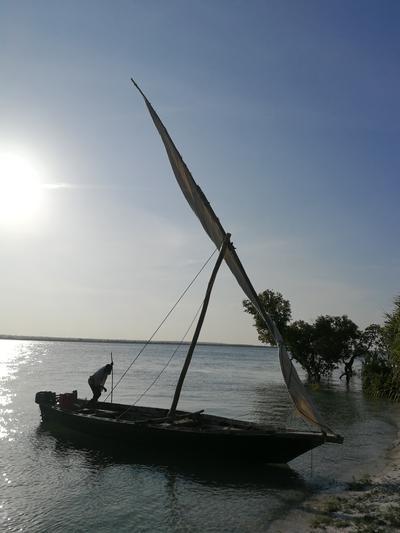
Pemba lies north of Unguja (Zanzibar), off Tanzania, its shores washed by myriad Indian Ocean turquoises and blues. Seven traditional towns (miji) survive on its northeast coast, with origins in the eighth century. Their people came to depend on the sea rather than long distance monsoon trade. Built of and on coralline limestone, flanked by channels, lagoons, mangroves, and reefs, they had no fresh water and little farmland. They therefore developed a remarkable maritime culture. In kiSwahili, Pwani means ‘the beach’, and it is here that life happens. Yet piped water, new development, and climate change are altering that life with startling speed.
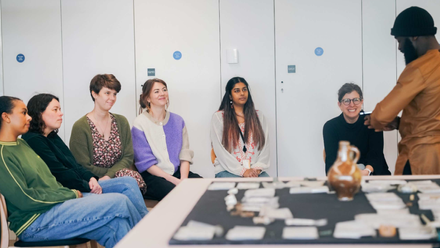
Between 2019 and 2022 our international team set out to record this heritage, focusing on traditional knowledge and skills. We were determined that Pembans themselves should choose what mattered, and that women’s voices would count as much as men’s. Over three days we talked with ten groups in kiSwahili about the sea, its everyday objects, and the sounds, smells, and stories woven through it.
What emerged was a rich tapestry. People spoke of marine life and the seasons, of birds that announce the monsoon, of shells used in spiritual life, of rope from bark, of nets, sails, and log boats. Women reminded us they can be sailors too. Discussions turned into performances and proverbs, with one group warning against destroying certain stones because they are ‘the houses of the octopus’.
Despite COVID, the loss of our planned building, and a limited budget, our Pemban colleagues found a space and we built a museum display together, for school children, locals and visitors. Through roaring heat and monsoon rain, we renovated and painted it, built display cabinets, installed a traditional ngalawa (outrigger canoe) to explore, and labelled all the parts. Our funds were few, but with goodwill, partnership, and a committed team we made something to inform current and future generations, and we gathered memories that will last a lifetime. To tell a good story, images, objects, sounds, and actions matter as much as words, but listening first matters most of all.