Shards of the past; meanings of the present
One of the challenges of archaeology is enhancing our knowledge of the past without compromising the human proximity, if not empathy, to the stories of its protagonists. The distance often felt by archaeologists when dealing on a regular basis with pots, buildings, and even animal and human remains, becomes wider when the discourse is brought to the public, leaving the human dimension aside.
Two exhibitions resulting from a collaboration between the archaeological research project IDENTIS and the Museum of Broken Relationships: ‘Shards of the Past, Meanings of
the Present’ held in Venice in 2023 and ‘Sardinnia e Mundu: Memòria, Corus, Passau, Presenti’ (translation from Sardinian: ‘Sardinia and the World: Memories and Bodies, Past and Present’) held in 2024 in Masullas, rural west-central Sardinia. These aim to break down geographical and chronological barriers by highlighting the beyond-material elements that connect humanity as a whole.
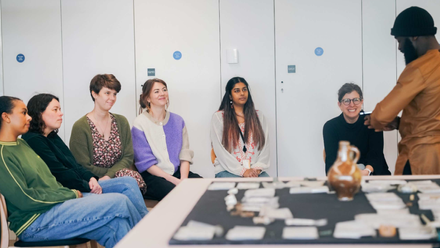
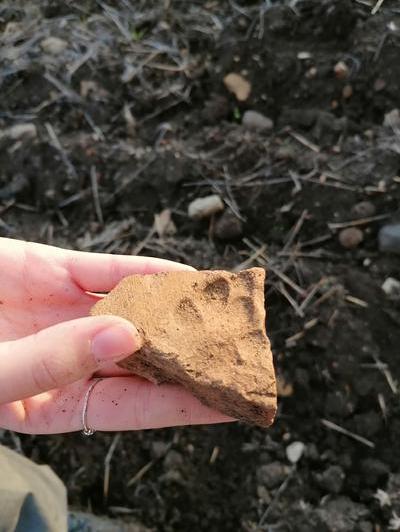
Just like the exhibits in the Museum of Broken Relationships, archaeological finds from Roman-period Sardinia were exhibited there alongside objects and photographs of archaeologists at work, acting as material remnants of lived histories. The paper linked below, ‘“Shards of the Past, Meanings of the Present”: Bridging Distant and Recent Memories Through Material Relationships’ goes through the behind the scenes of the exhibition. It analyses the ideas that informed the curatorial project – from gender to subaltern (marginalised people) and decolonising theories – and exposes the interpretive challenges of this collaborative effort.
The paper also shows the exhibitions’ criteria in selecting the exhibits, suggesting why some objects survive time and others do not, and explaining why the curators chose objects not because of their widely recognised economical or aesthetic value but because of the universal empathy they can evoke.
When a story is over – as short and intense as a summer fling or as long as a life-lasting marriage; as fast as a historical battle or as slow as a region enduring colonialism for centuries – a new one starts. These are the stories inspired by material remains we encounter in abandoned houses, in letter archives, or in archaeological sites. Through material fragments of ordinary lives from different geographical contexts and periods, the exhibitions told stories of the bonds between people, communities, and landscapes, inviting us to reflect on what makes us – in the past as in the present – profoundly human.
View displays from the exhibition on Mauro’s website: mauropuddu.com/exhibitions