International Women’s Day: The Archaeologists Who Inspire Us
Every year for International Women’s Day, we celebrate the remarkable legacy of Beatrice de Cardi, whose influence on archaeology and on the Council for British Archaeology continues to shape our work today.
This year, we wanted to take a moment to recognise some of the other women who have inspired members of the CBA team. Their work spans excavation, research, broadcasting, community archaeology, illustration, and public engagement, showing the many different ways archaeology can be explored and shared.
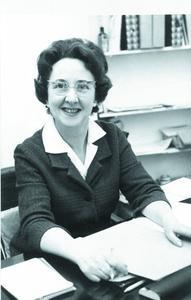
Beatrice de Cardi
Beatrice de Cardi was one of the most influential archaeologists of the twentieth century. Her career spanned more than seventy years, with pioneering fieldwork across the Middle East and South Asia that reshaped understanding of prehistoric trade networks and cultural exchange across vast regions.
Alongside her international research, she played an important role within British archaeology. Her long association with the CBA helped strengthen the organisation and its networks across the UK. Today, her legacy lives on through the annual De Cardi Lecture, which continues to highlight new ideas and research across the discipline.
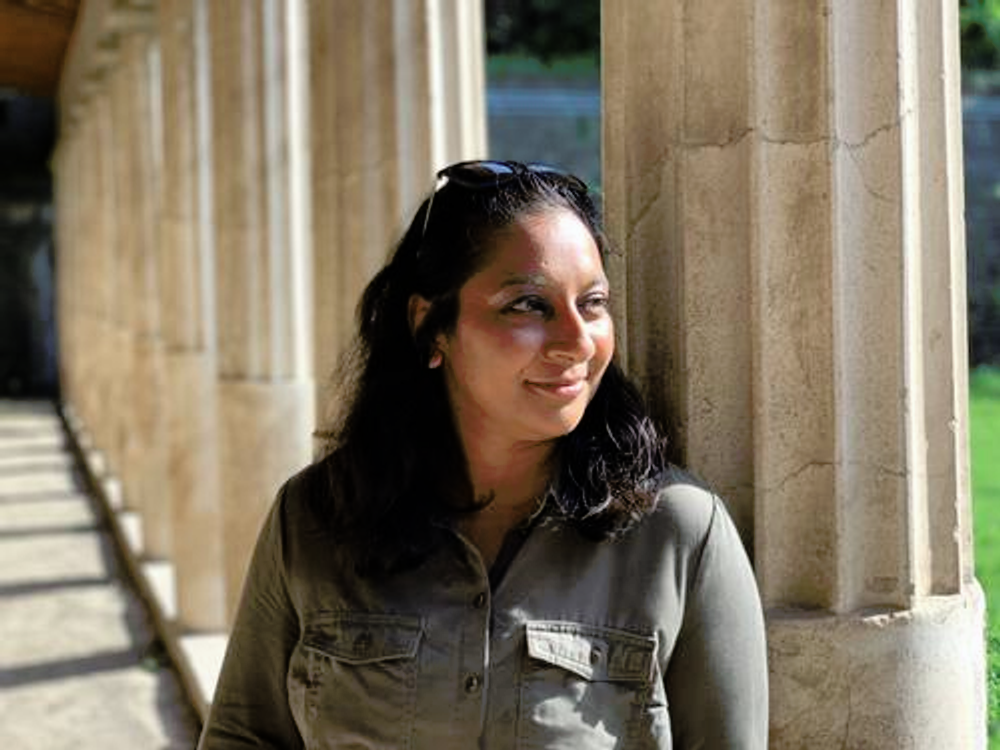
Raksha Dave
Raksha Dave is an archaeologist, broadcaster and passionate advocate for making the heritage sector more inclusive. Through television appearances, public speaking and writing, she has helped bring archaeological stories to wider audiences while encouraging conversations about who archaeology is for and whose histories are represented.
She currently serves as Honorary President of the Council for British Archaeology and previously edited British Archaeology magazine. Raksha is also a co-founder of the social enterprise DigVentures, which has helped thousands of people participate directly in archaeological research through community excavations and digital engagement.
Dr Amara Thornton
Amara Thornton explores the cultural history of archaeology, examining how the discipline developed and how it has been represented in literature, media and popular culture. Her research often focuses on the stories of women whose contributions to archaeology have historically been overlooked.
She was Co-Investigator on the AHRC-funded Beyond Notability project (2021–2024), an interdisciplinary initiative that re-evaluated women’s work in archaeology, history and heritage in Britain between 1870 and 1950 using historical research and digital humanities approaches. Alongside this, Amara led the Animating Caribbean Collections at the British Museum knowledge exchange project and co-edited Strange Relics: Stories of Archaeology and the Supernatural, exploring the fascinating intersections between archaeology and storytelling.
You can watch Amara’s de Cardi lecture below.
Dr Anwen Cooper
Anwen Cooper delivered the 2026 De Cardi Lecture, presenting research that explores the relationships between past environments, wildlife and human societies. Her work encourages archaeologists to look beyond purely human-centred histories and consider how animals, plants and landscapes shaped the past.
Her research project “Rewilding Later Prehistory” examines the transition from wild to farmed landscapes in Britain between 2500 BC and AD 43. By studying evidence ranging from wild boar tooth pendants to charred remains of ancient hedgerows, the project aims to create new ways of understanding wildlife in the archaeological record and to connect archaeological insights with contemporary conversations about nature recovery.
Dr Claire Nolan
Claire Nolan is a researcher specialising in public archaeology, cultural heritage and landscape studies. Her work explores how people experience historic places today and how engagement with archaeology can influence wellbeing, identity and environmental awareness.
Her doctoral research examined the therapeutic value of prehistoric landscapes such as Avebury, Stonehenge and the Vale of Pewsey, exploring how meaningful connections with heritage can support wellbeing. Drawing on approaches from archaeology, psychotherapy and ecopsychology, Claire’s work highlights how simply spending time with historic places can foster reflection, connection and a deeper sense of place.
Watch Claire's de Cardi lecture below.
Professor Alice Roberts
Alice Roberts has played a major role in bringing archaeology, anthropology and human history to broad public audiences. Through television documentaries, books and lectures, she has explored topics ranging from prehistoric Britain to the deep evolutionary history of our species.
Her ability to combine scientific research with engaging storytelling has helped many people discover archaeology for the first time. By connecting scientific evidence with compelling narratives about human history, she has inspired curiosity about the past and the ways archaeology helps us understand who we are.
Giselle Király
Giselle Király is an archaeologist who has built a strong following online by sharing the realities of archaeological work with a wide audience. Through social media she shares her adventures exploring history and life on excavation sites, and gives people a behind-the-scenes look at how archaeologists interpret evidence from the past.
Alongside her public engagement work, Giselle works as a commercial field archaeologist and human osteologist with PCAS Archaeology, analysing skeletal remains from sites ranging from the Iron Age to the medieval period. She has also contributed to projects such as Operation Nightingale, using archaeology to support the recovery and wellbeing of military veterans.
Giselle kindly shared their collections with us as part of the Festival of Archaeology 2025 theme day.
Professor Carenza Lewis
Carenza Lewis is a leading figure in community archaeology and citizen science. Best known to many as a presenter on the long-running Channel 4 series Time Team, she has spent more than three decades researching medieval landscapes and rural settlement history.
Through the Access Cambridge Archaeology programme she founded, thousands of volunteers have taken part in excavations investigating the origins of villages and towns across England. These projects have not only advanced research into the medieval past but also demonstrated how collaborative archaeology can connect communities with the history of the places they live.
Watch our In Conversation with Carenza from the 2021 Festival of Archaeology
Vicki Score
Vicki Score has spent more than twenty-five years working in archaeology across the East Midlands, combining commercial fieldwork with extensive community engagement. She was named Community Archaeologist of the Year in 2017 at the Council for British Archaeology Marsh Awards in recognition of her work supporting community-led excavation projects.
As part of the Ancient Akrotiri Project, Vicki has helped train students in Cyprus while working alongside injured service personnel through Operation Nightingale, using archaeology as a way to support learning, recovery, and connection with the past.
She directed the award-winning Hallaton Hoard project, working with volunteers, museums and national organisations to excavate an important Iron Age shrine. The project has been widely recognised as a model for community involvement in the excavation of treasure finds. Today, as Deputy Director at ULAS, she continues to work closely with local groups, helping communities investigate and share the archaeology of their landscapes.
These archaeologists represent just a small selection of the women shaping archaeology today. Organisations such as TrowelBlazers highlight many more researchers, field archaeologists, illustrators, communicators and community leaders whose work continues to expand our understanding of the past.
This International Women’s Day, we’d love to hear from you: which women in archaeology have inspired you? Let us know by heading to our socials @archaeologyuk and commenting on our post.