Queen's University Belfast
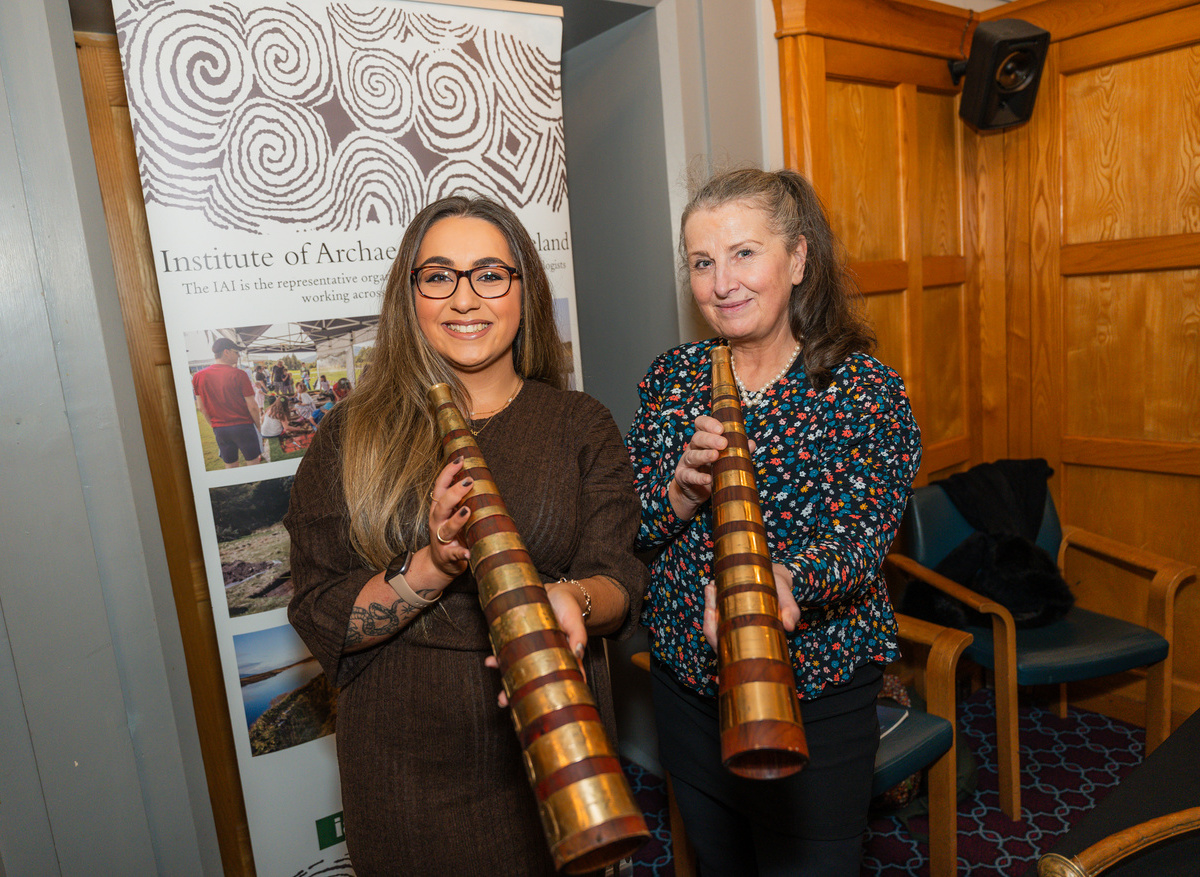
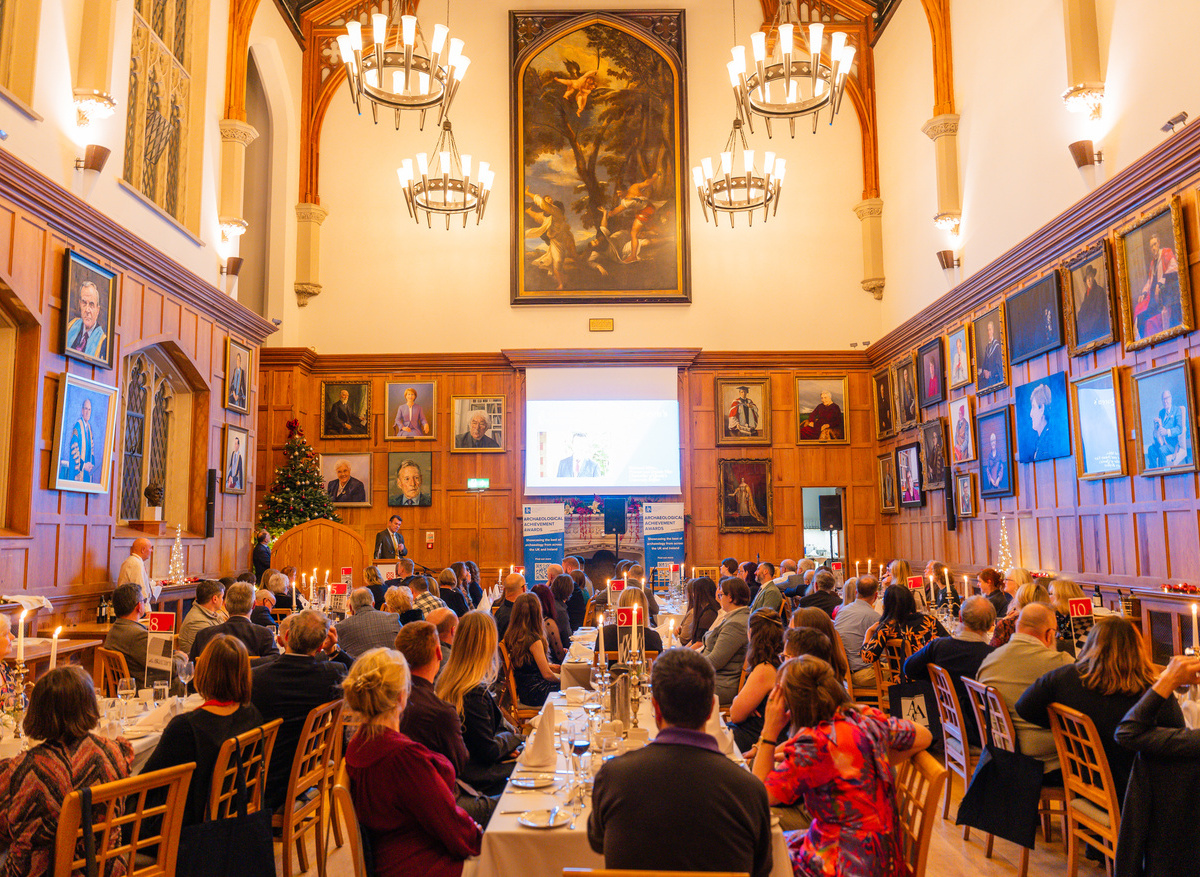
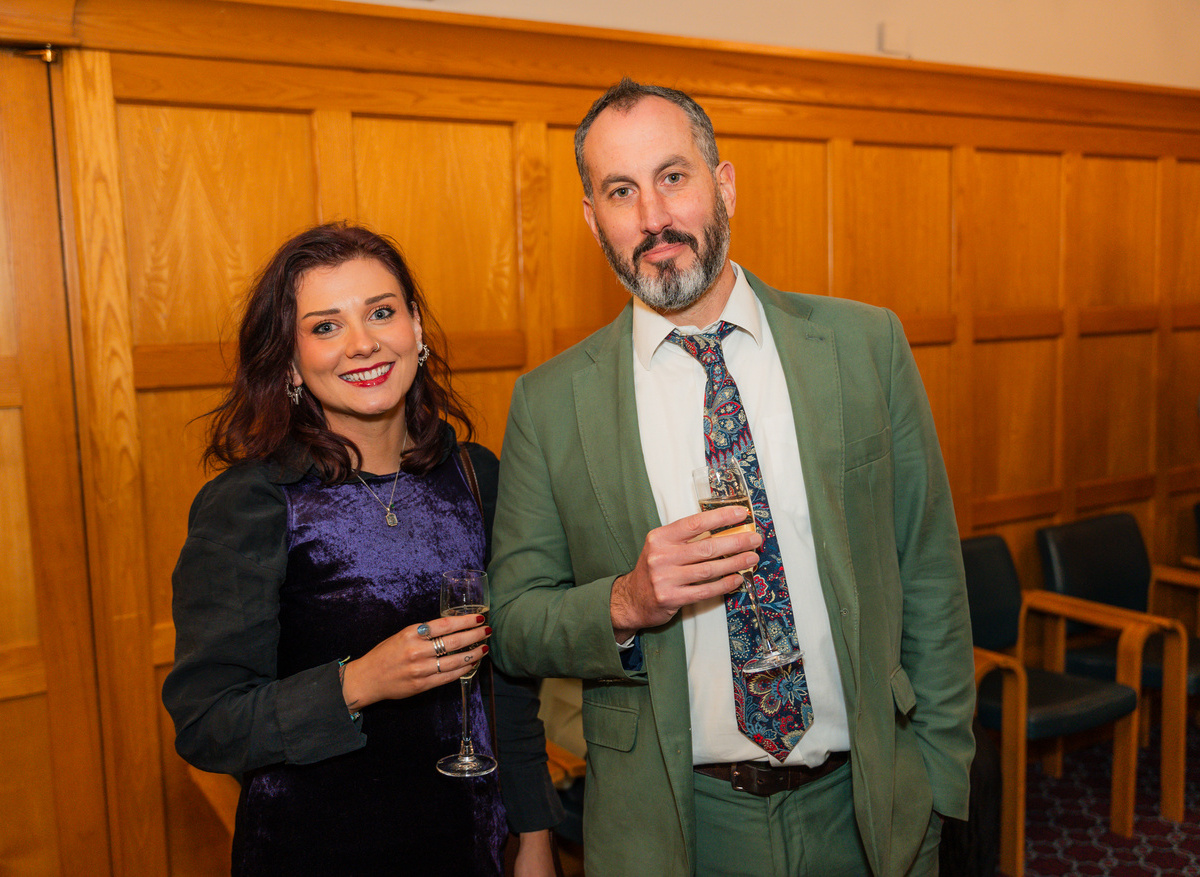
Awards Guests
Stratmates
Awards guests
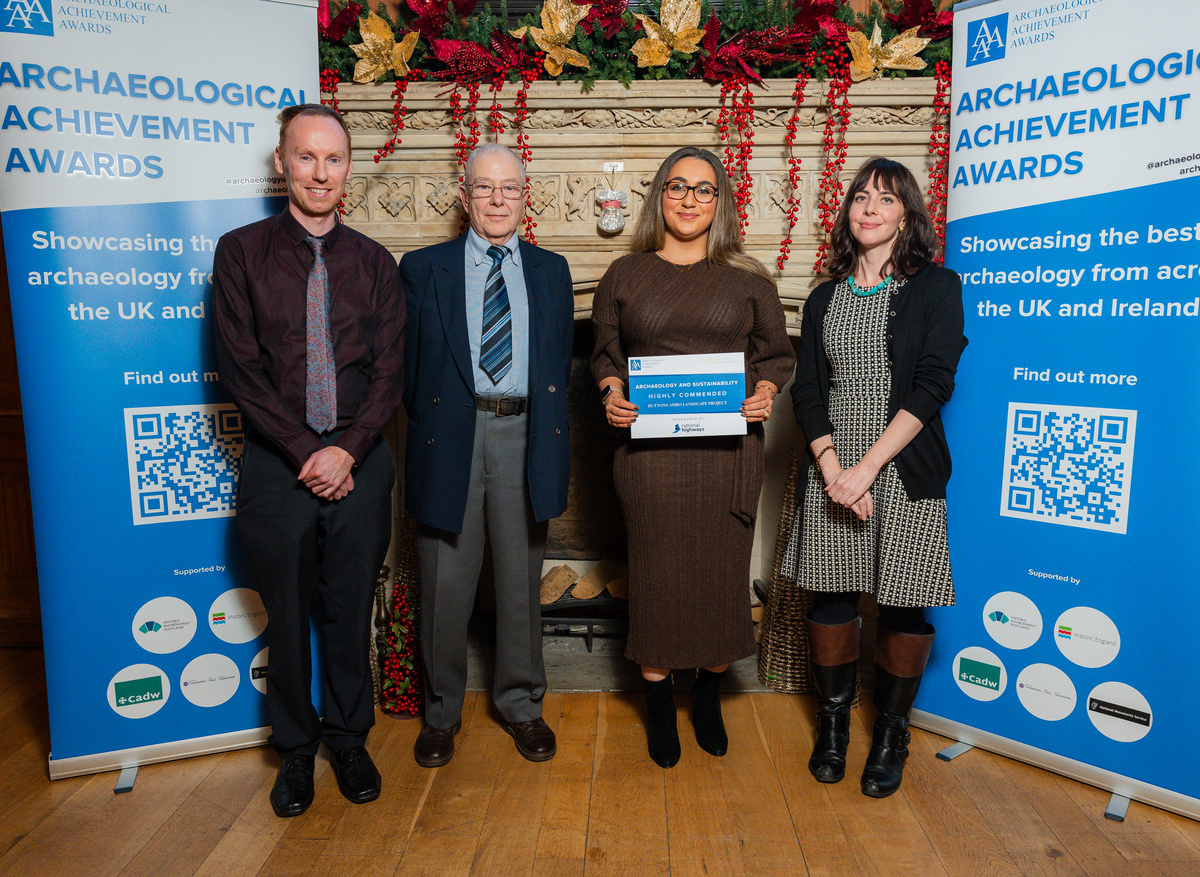
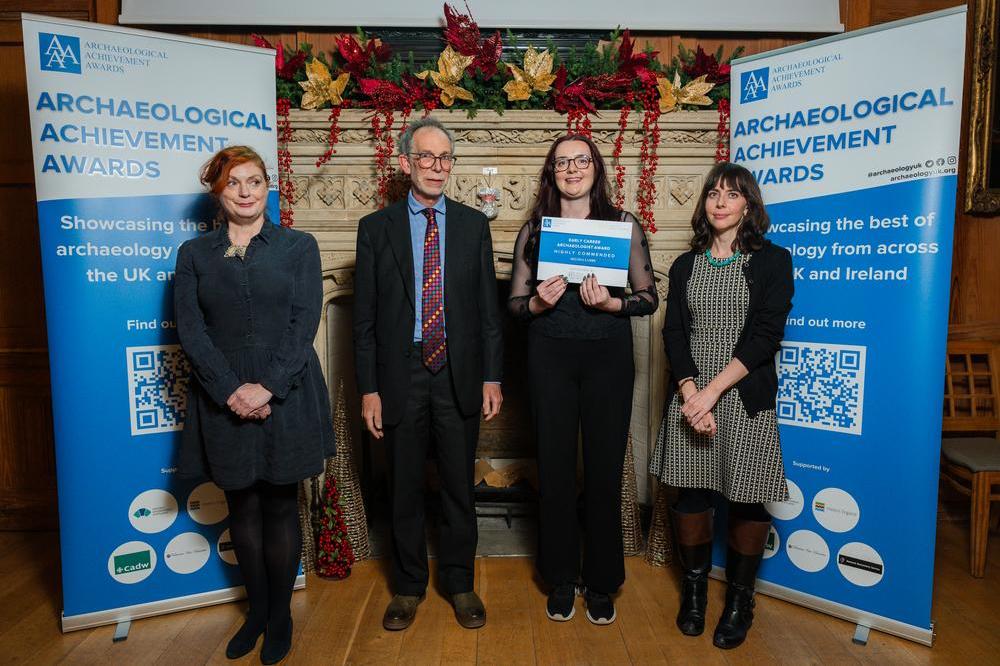
Highly Commended
Awards Guests
This year’s shortlist was exceptional, showcasing the creativity, commitment, and community spirit that define our sector. You can explore all shortlisted projects here, or watch the video interviews below to hear directly from the inspiring teams behind the work.
Sponsored by University Archaeology UK
Judges felt there was a really strong field of contenders in this category this year and chose to jointly award two of the shortlisted nominations which offered high quality engagement experiences for volunteers and highlight the equitable and inclusive ways in which people can get involved in archaeology and create a sense of place and belonging.
Volunteers at Stanwick Lakes worked alongside Ancient Craft to bring prehistory to life through an ambitious heritage initiative. Using replica Bronze Age tools, volunteers carved and launched dugout boats. From timber selection to launch event planning, they led every step, sharing their learning journey with visitors throughout.
This exceptional project offered a diverse and highly immersive range of volunteering experiences fostering collaboration with a range of partners and enabling participants to build strong connections with the past, one another and with Stanwick Lakes. The judges scored it particularly highly for sustainability and legacy, with some volunteers continuing their involvement independently of the project and contributing to plans for another phase of experimental archaeology at Stanwick, building on the skills and interest generated.
Facebook: AncientCraft UK | Prehistoric Jewellery | Stanwick Lakes
Instagram: AncientCraft UK | Prehistoric Jewellery | Stanwick Lakes
X: AncientCraft UK | Prehistoric Jewellery | Stanwick Lakes
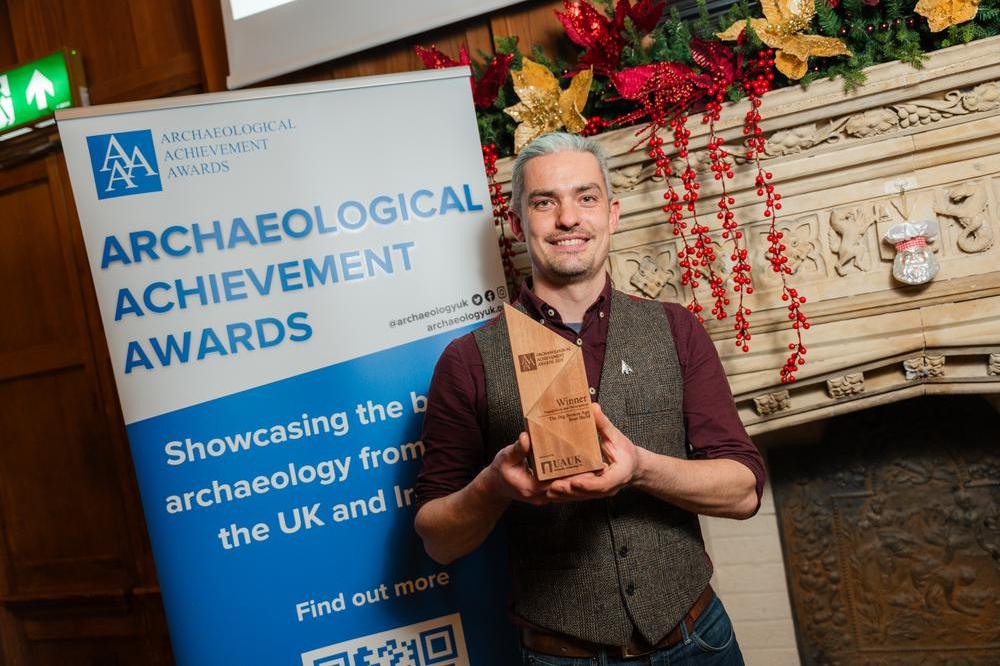
The project undertook Britain’s first ever archaeological excavation of a historic Romany Gypsy site. The project was run by Romany people and worked alongside disadvantaged Romany people to uncover the story of Britain’s ‘Gypsy Compound’ and ‘Gypsy Rehabilitation Centre’ systems, sites of forced assimilation that existed until 1979.
The judges shared:
This was a landmark project, respectfully involving participants from the community to develop archaeological and craft-based skills and to document and share the process. The judges were especially impressed with the commitment to EDI and co-production. The Romany Gypsy community were consulted and involved at every stage, and their knowledge and interests shaped the direction of the project and the narratives that were disseminated.
Sponsored by: The Royal Archaeological Institute
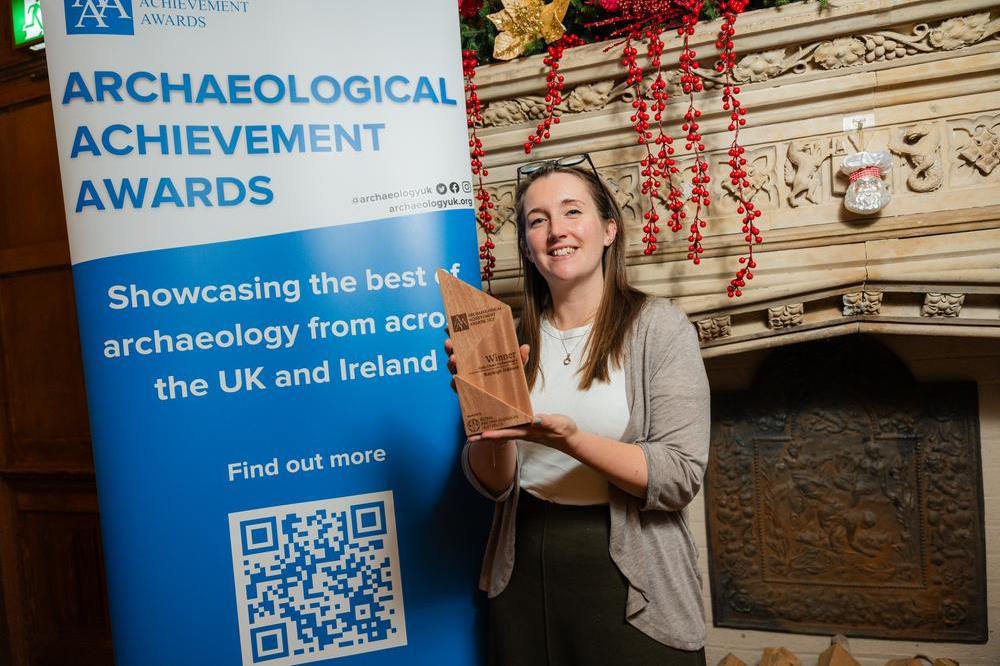
Kayleigh successfully completed her Archaeological Technician Apprenticeship Level 3 with the Changing Chalk Project in May. This represented a career change into Archaeology having previously worked at Portsmouth Historic Dockyard and in Human Resources in a Chiropractors. She has worked with the Changing Chalk project since she passed her Apprenticeship.
Judges agreed that Kayliegh has not only excelled within her training but also sought out additional experiences and opportunities to support her career. She is already making significant contributions to a number of different organisations and enthusing the public about caring for the past. Overall, the panel was impressed with her dedication, stamina and thoughtfulness and her engagement with everyone they meet.
Sponsored by: National Highways
Farming Rathcroghan’s innovative integration of sustainable agriculture with archaeological conservation sets a new standard for community-led heritage stewardship. The project not only protects vital monuments and enhances biodiversity, soil health, and water quality, but also empowers local farmers as active heritage keepers and educators, serving as a national and international model for sustainability in cultural landscapes. Its leadership in results-based agri-environmental policy, inclusive governance, and impactful collaboration across sectors justifies its recognition with the Archaeology & Sustainability award.
Farming Rathcroghan Website | X | Facebook
Facebook | TikTok | Threads | Instagram
Sponsored by: Institute of Archaeologists of Ireland
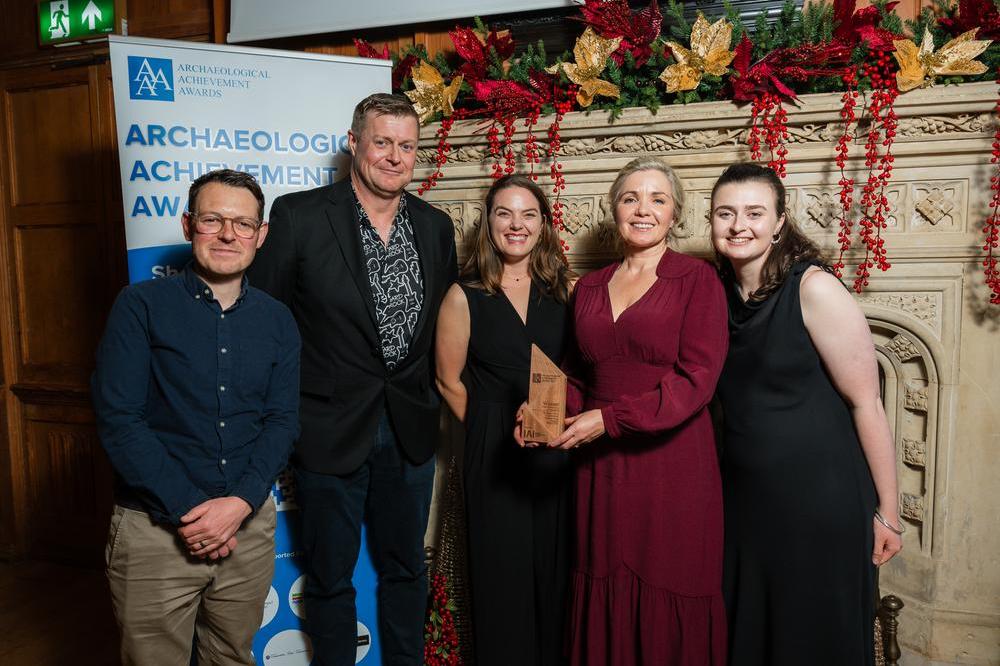
A diverse, annually evolving programme of exciting activities and events centred on a community excavation of the former Guinness mansion of St Anne’s. It includes training programmes for transition year (TY) students and tour guides, educational tours for schools, public lectures, community-led post excavation and public outreach events.
St Anne’s Park Community Archaeology project, impressed across the board through its work to greatly enhance the public understanding of the site. The project worked hard to place as few barriers as possible to participation and the outstanding use of multiple platforms to communicate and present, including engaging with diverse groups resulted in outstanding levels of EDI. An amazing and incredibly impressive project and a very worthy winner.
Dorset Council | B-Side Festival
Sponsored by: AMS
Teffont Archaeology Project is a long running landscape and excavation research project in south-west Wiltshire which also encompasses work co-directed with our volunteers (Coombe Bissett with Alyson Tanner) or collaborators (Chalke Valley villa with Chalke and Chase Landscape Partnership). We place inclusion and training at the forefront of our work.
Judges agreed this was a long standing, collaborative project supporting both the empowerment of volunteers/carers and facilitating entry routes into archaeology/heritage careers for those from underrepresented backgrounds. The project showcases an impressive range of learning and training opportunities delivered in a well organised, supportive environment, with inclusivity and welfare at their core. A wonderful, impactful project with a great legacy of celebrating archaeology and breaking down barriers.
Sponsored by: Department for Communities
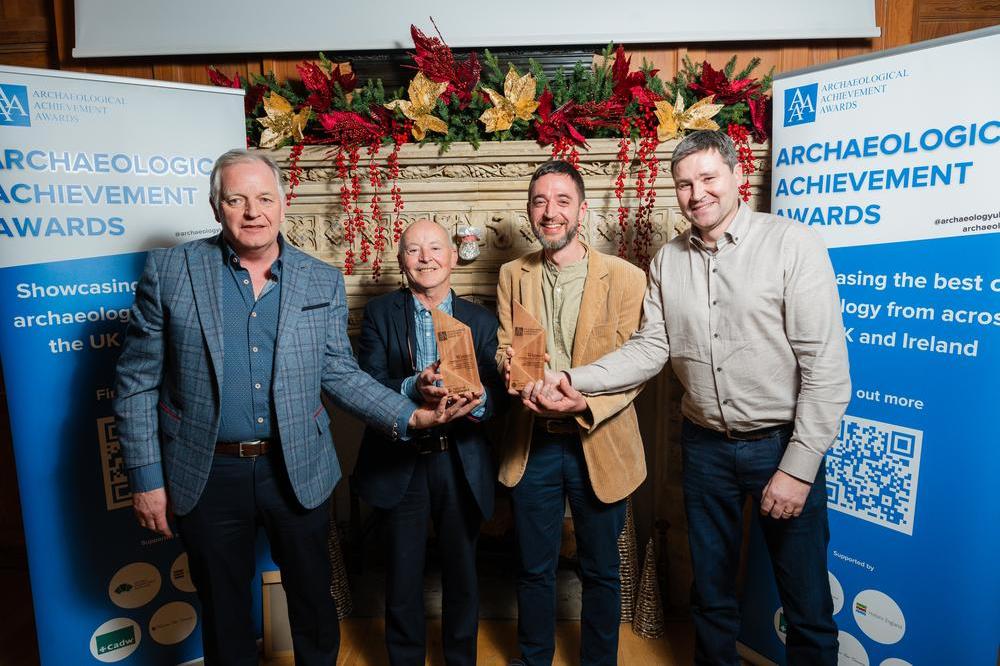
Farming Rathcroghan integrates sustainable agriculture with archaeological conservation in Ireland’s prehistoric/early historic royal capital of Connacht. It has co-created a results-based payment scheme for farmers, protecting monuments and cultural heritage while enhancing biodiversity, water quality, and carbon storage. As a result, this innovative model is influencing practice across Irish heritage landscapes.
The panel of judges noted that the nomination showcased an outstanding project, which was an impressive example of a collaborative, multi-disciplinary approach, which showed how working with landowners to consider archaeology and sustainability highlighted how communities can be involved in this type of work. The project brought together multiple stakeholders to educate and empower the custodians of the Rathcroghan landscape to protect, in an effort to preserve and promote its archaeological importance, whilst also implementing more sustainable approaches to farming techniques to safeguard this monumental landscape for all. The project is both wonderful and inspiring and we feel it is sure to leave a tremendous legacy for future generations.
The Outstanding Achievement Award shortlist is comprised of the winners of all of the other award categories.
The CBA and judging panel would like to congratulate all of the shortlisted nominees.
We would also like to express our gratitude to all of the judges for their time and commitment to the awards. Finally, we would like to express our thanks to all of the funders and sponsors who make the awards possible, in particular the Department for Communities, the 2025 principle funder. We would also like to thank CIfA and ALGAO for supporting the travel bursaries.