Explore our hub to discover the range of online resources and databases, published and hosted by the CBA for archaeology professionals, students, and enthusiasts.
Pests! What are they good for?
Well, in terms of our environment and biodiversity, insects are extremely important for our planet. In museums, we understand this importance, which is why everything we do is about trying to prevent pests getting in. However, when this isn't possible or an infestation breaks out, our next priority must be the safeguarding of our collection.
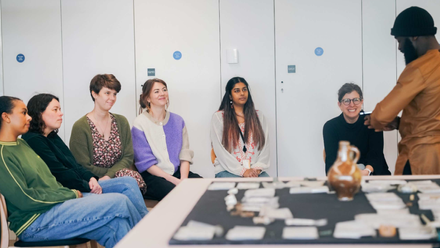
In the in-person event, the participants learnt how to take what are known as ‘tissue puffs’ and ‘tissue rolls’, which are used when packing museum objects.
Curatorial roles can often be very varied - whether you are a collections assistant, an assistant curator, project curator or an equivalent role, you will be expected to know and understand a vast range of collections care and management strategies.
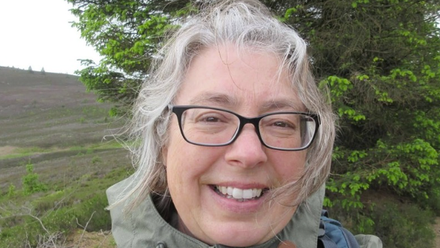
British Archaeology's new editor grew up exploring heritage sites with her family, which unlocked a passion for the past that has combined writing with fieldwork.
From 18th July to 2nd August, the UK’s largest celebration of archaeology is back, and this year we’re exploring the connections between archaeology and nature.
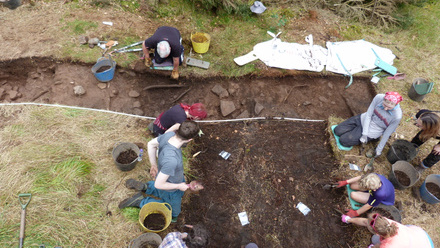
Choose from one of two weeks to join the Roman Carlisle Archaeology dig, taking place at a site that was once an extremely important and well-defended location within the frontier system of Roman Britain and the most northern city in the Roman empire.
Significant revisions to the national planning policy framework will have important repercussions for heritage with archaeological interest. Find out how the CBA is responding to the draft NPPF consultation, and how you can help us advocate for the historic environment.
Understanding our audiences is integral to enhancing access to the museums and collections. This audience research allows us to get to know who our visitors are, where they come from, and what their motivations for visiting are. We can also learn more about who is not currently visiting the museums.